

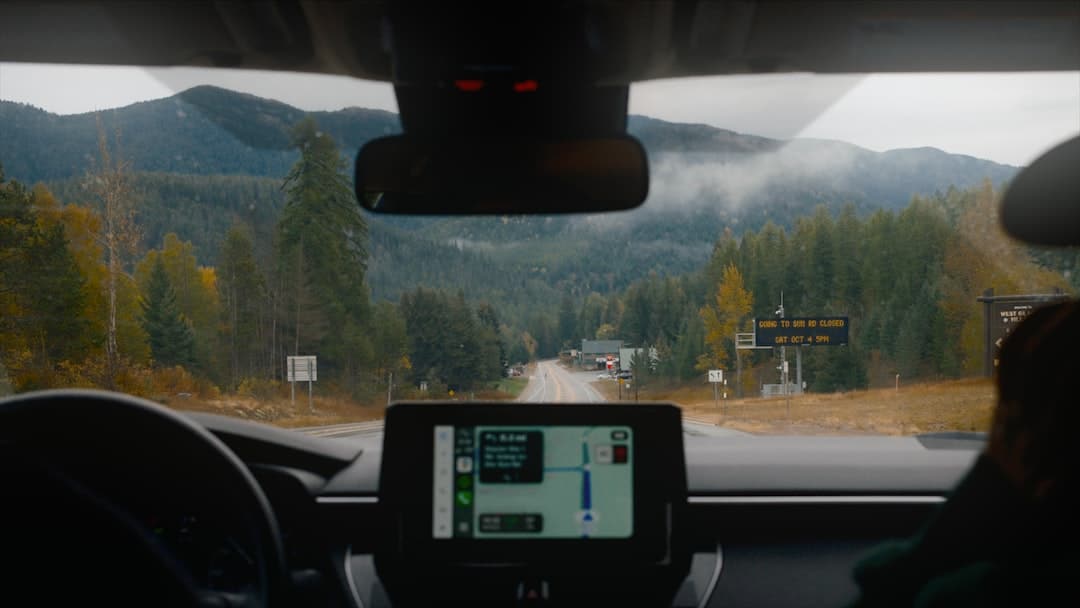
Augmented Reality (AR) is a technology that overlays digital information onto the real world, enhancing the user’s perception of their environment. This innovative approach has gained traction across various sectors, including gaming, education, and healthcare. However, one of the most promising applications of AR lies in its potential to assist individuals with visual impairments. By providing real-time information and guidance, AR can significantly improve navigation and mobility for those who are visually impaired, offering them greater independence and confidence in their daily lives.
The integration of AR into navigation systems for the visually impaired represents a significant advancement in assistive technology. Traditional navigation aids, such as canes or guide dogs, have limitations in terms of the information they can provide. In contrast, AR can deliver contextual data about surroundings, obstacles, and routes through auditory or haptic feedback. This capability not only enhances the navigation experience but also empowers users to make informed decisions about their movements in various environments.
In exploring the advancements in assistive technologies, a related article discusses how various innovations are shaping the future of navigation for individuals with disabilities. This piece highlights the role of emerging technologies in enhancing accessibility and independence, particularly for the visually impaired. For more insights on how these technologies are being identified and implemented, you can read the article at TechRepublic Helps IT Decision Makers Identify Technologies.
Key Takeaways
- AR technology offers innovative solutions to improve navigation for the visually impaired.
- Current navigation challenges include limited spatial awareness and difficulty in obstacle detection.
- AR enhances navigation by providing real-time audio and haptic feedback to users.
- Successful case studies demonstrate AR’s effectiveness in increasing independence and safety.
- Future developments in AR hold promise but must address usability and accessibility limitations.
The current challenges in navigation for the visually impaired
Navigating through unfamiliar environments poses numerous challenges for individuals with visual impairments. One of the primary obstacles is the lack of detailed spatial awareness. Without the ability to see, individuals often rely on auditory cues or tactile feedback to understand their surroundings. However, these methods can be insufficient in complex environments, such as busy streets or crowded public spaces, where sounds may be overwhelming or misleading.
Additionally, traditional navigation aids do not provide real-time updates about changing conditions. For instance, a person using a cane may not be aware of sudden obstacles or changes in terrain until they physically encounter them. This limitation can lead to anxiety and hesitation when navigating new areas. Furthermore, existing navigation systems often fail to account for the unique needs of visually impaired users, resulting in routes that may not be the safest or most efficient for them.
How AR technology is being used to enhance navigation for the visually impaired
AR technology is being harnessed to create innovative solutions that address the navigation challenges faced by visually impaired individuals. One approach involves the use of smartphone applications that utilize the device’s camera to identify and analyze the environment. These applications can recognize landmarks, street signs, and obstacles, providing users with auditory descriptions and directions. By converting visual information into audio cues, AR applications enable users to navigate more effectively and confidently.
Another promising application of AR involves wearable devices, such as smart glasses equipped with AR capabilities. These devices can provide real-time information about the user’s surroundings through audio feedback or vibrations. For example, a user wearing AR glasses might receive alerts about nearby obstacles or receive turn-by-turn navigation instructions as they move through an environment. This hands-free approach allows users to maintain their mobility while accessing critical information about their surroundings.
The benefits of using AR for navigation for the visually impaired
The implementation of AR technology in navigation systems offers several benefits for visually impaired individuals.
One of the most significant advantages is increased independence.
By providing real-time information and guidance, AR enables users to navigate unfamiliar environments without relying solely on assistance from others. This newfound autonomy can lead to improved self-esteem and a greater sense of empowerment.
Moreover, AR enhances safety during navigation. By alerting users to potential hazards and providing clear directions, AR technology reduces the risk of accidents and injuries. Users can make informed decisions about their movements, avoiding obstacles and navigating more efficiently through complex spaces. Additionally, the ability to receive contextual information about their surroundings fosters a greater understanding of the environment, which can further enhance confidence in navigation.
As augmented reality continues to evolve, its applications extend beyond traditional uses, significantly impacting various fields, including navigation for the visually impaired. A related article discusses innovative technology that enhances user experience and accessibility, showcasing how advancements in AR can lead to more effective solutions. For those interested in exploring the latest tech trends, you can read more about it in this insightful piece on the best laptops for Blender in 2023, which highlights the importance of powerful devices in supporting creative and assistive technologies.
Case studies of successful implementation of AR navigation for the visually impaired
| Metric | Before AR Implementation | After AR Implementation | Impact |
|---|---|---|---|
| Navigation Accuracy | 60% | 90% | +30% improvement in route precision |
| Obstacle Detection Rate | 50% | 85% | +35% increase in obstacle awareness |
| User Confidence Level | 40% | 80% | +40% boost in confidence during navigation |
| Time to Destination | Average 30 minutes | Average 20 minutes | 33% reduction in travel time |
| Independence in Navigation | Limited | Significantly Enhanced | Greater autonomy for visually impaired users |
| User Satisfaction Rate | 55% | 88% | +33% increase in satisfaction |
Several case studies illustrate the successful application of AR technology in enhancing navigation for visually impaired individuals. One notable example is the development of an AR navigation app called Aira. This app connects users with trained agents who provide real-time assistance through video calls. Users can point their smartphone cameras at their surroundings, allowing agents to see what they see and offer guidance on navigating obstacles or finding specific locations. Aira has been well-received by users, who report increased confidence and independence when navigating unfamiliar areas.
Another example is Wayfindr, an open standard for audio-based navigation that utilizes AR technology to provide directions in public transport systems. By integrating with existing infrastructure, Wayfindr offers users audio instructions that guide them through transit stations and onto vehicles. This system has been implemented in various cities worldwide, demonstrating its effectiveness in improving accessibility for visually impaired individuals in public transportation settings.
In exploring the advancements in technology that enhance accessibility, a fascinating article discusses the best Lenovo laptops, which are equipped with features that can support various assistive technologies. These devices can play a crucial role in enabling visually impaired users to navigate their environments more effectively. For more insights on suitable devices, you can read the article here.
The future of AR in transforming navigation for the visually impaired
The future of AR technology holds significant promise for transforming navigation for visually impaired individuals. As advancements in artificial intelligence and machine learning continue to evolve, AR systems will become increasingly sophisticated in recognizing and interpreting complex environments. This progress could lead to more accurate and personalized navigation experiences tailored to individual user needs.
Furthermore, as smart cities develop and integrate more technology into urban planning, there will be greater opportunities for AR systems to connect with infrastructure. For instance, smart traffic signals could communicate with AR devices to provide real-time updates on pedestrian crossings or changes in traffic patterns. Such integration would enhance safety and efficiency for visually impaired individuals navigating urban environments.
Considerations and limitations of AR navigation for the visually impaired
Despite its potential benefits, there are several considerations and limitations associated with AR navigation for visually impaired individuals. One significant challenge is the reliance on technology that may not be universally accessible or affordable. While smartphones and wearable devices are becoming more common, not all individuals may have access to these technologies or possess the necessary skills to use them effectively.
Additionally, environmental factors can impact the effectiveness of AR systems. For example, poor lighting conditions or cluttered environments may hinder a device’s ability to accurately interpret surroundings. Furthermore, users may experience sensory overload from excessive auditory feedback or notifications, which could detract from their overall navigation experience.
The potential impact of AR on the lives of the visually impaired
In conclusion, augmented reality has the potential to significantly improve navigation for visually impaired individuals by providing real-time information and enhancing spatial awareness. As technology continues to advance, AR systems will likely become more integrated into everyday life, offering greater independence and safety for users. While challenges remain regarding accessibility and environmental factors, ongoing research and development in this field hold promise for creating more effective solutions.
The impact of AR on the lives of visually impaired individuals could be transformative, enabling them to navigate their environments with greater confidence and autonomy. As society continues to embrace technological advancements, it is essential to prioritize inclusivity in design and implementation to ensure that all individuals can benefit from these innovations. Ultimately, augmented reality has the potential to reshape how visually impaired individuals interact with their surroundings, fostering a more inclusive world where mobility is accessible to all.
FAQs
What is augmented reality (AR) and how does it assist the visually impaired in navigation?
Augmented reality (AR) is a technology that overlays digital information onto the real world through devices like smartphones or AR glasses. For the visually impaired, AR can provide audio cues, tactile feedback, or enhanced visual signals to help them navigate environments more safely and independently.
What types of AR devices are commonly used for navigation by visually impaired individuals?
Common AR devices include smart glasses equipped with cameras and sensors, smartphone apps that use GPS and computer vision, and wearable haptic devices. These tools work together to interpret surroundings and deliver real-time guidance through sound, vibration, or visual enhancements.
How does AR improve upon traditional navigation aids for the visually impaired?
AR offers dynamic, context-aware assistance that adapts to changing environments, unlike static tools like canes or maps. It can identify obstacles, provide turn-by-turn directions, and recognize landmarks, thereby increasing safety and independence for users.
Are there any challenges or limitations to using AR for navigation by the visually impaired?
Yes, challenges include device cost, battery life, accuracy of environmental mapping, and the need for user training. Additionally, AR systems must be designed to be intuitive and non-intrusive to effectively support users without causing sensory overload.
What future developments are expected in AR technology to further aid navigation for the visually impaired?
Future advancements may include improved AI for better object recognition, more compact and affordable hardware, enhanced haptic feedback systems, and integration with public infrastructure for seamless navigation. These innovations aim to make AR navigation more accessible and reliable for visually impaired users.