

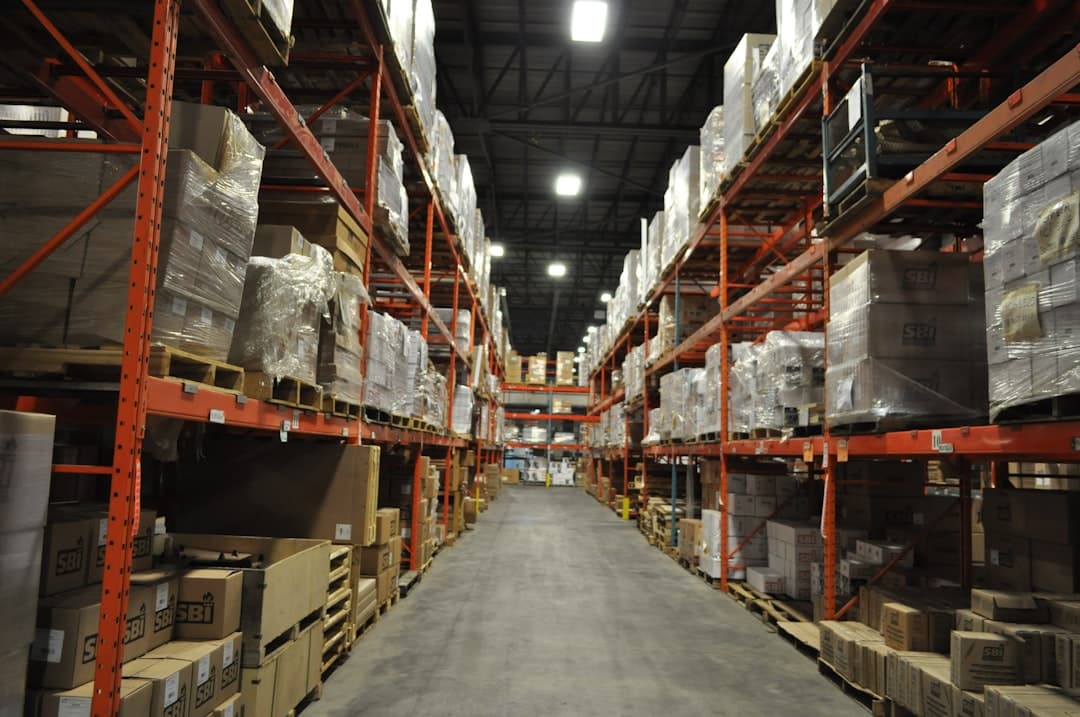
Augmented Reality (AR) has emerged as a transformative technology in various sectors, including warehouse picking and logistics. By overlaying digital information onto the physical environment, AR enhances the way warehouse operations are conducted. This technology allows workers to visualize data in real-time, improving their ability to navigate complex environments and make informed decisions quickly. As the logistics industry continues to evolve, the integration of AR into warehouse operations is becoming increasingly relevant, offering solutions to longstanding challenges.
The adoption of AR in warehouse settings is driven by the need for greater efficiency and accuracy in order fulfillment processes. Traditional methods of picking and logistics often rely on paper-based systems or basic digital interfaces, which can lead to errors and inefficiencies. AR addresses these issues by providing workers with interactive visual aids that guide them through tasks, thereby streamlining operations. As businesses seek to optimize their supply chains and reduce operational costs, the implementation of AR technology is gaining traction as a viable solution.
In addition to exploring how augmented reality (AR) is transforming warehouse picking and logistics, you may find it interesting to read about the advancements in software tools that enhance operational efficiency. A related article discusses the benefits of converting designs into scalable vector graphics, which can streamline various processes in logistics and inventory management. For more insights, check out this article on software solutions: Ideas R Us: Software Free Studio3 to SVG Converter.
Key Takeaways
- AR enhances warehouse picking and logistics by improving efficiency and accuracy.
- It plays a crucial role in training and onboarding new warehouse staff.
- Successful AR implementations demonstrate significant operational improvements.
- Overcoming adoption challenges is key to leveraging AR technology effectively.
- The future of warehouse logistics is increasingly shaped by advancing AR innovations.
The Benefits of AR in Warehouse Picking and Logistics
One of the primary benefits of AR in warehouse picking and logistics is its ability to enhance productivity. By providing real-time information and visual cues, AR systems can significantly reduce the time workers spend searching for items or navigating through the warehouse. For instance, AR can display the most efficient routes to pick items, minimizing unnecessary movement and allowing workers to complete tasks more quickly. This increased efficiency not only boosts output but also contributes to improved employee satisfaction, as workers can accomplish their tasks with greater ease.
In addition to productivity gains, AR also plays a crucial role in reducing errors during the picking process. Traditional picking methods often rely on manual data entry or visual checks, which are prone to human error.
AR systems can minimize these mistakes by providing clear visual instructions and confirmations for each step of the picking process.
For example, an AR headset can highlight the correct item location and confirm that the right product has been selected before proceeding to the next task.
This level of accuracy is essential in maintaining inventory integrity and ensuring customer satisfaction.
How AR Improves Efficiency and Accuracy in Warehouse Picking

AR technology enhances efficiency in warehouse picking by streamlining workflows and reducing the cognitive load on workers. With AR systems, employees receive step-by-step guidance that allows them to focus on their tasks without constantly referring to paper lists or screens. This hands-free approach enables workers to maintain their attention on their surroundings while still receiving critical information about their tasks. As a result, they can navigate the warehouse more effectively and complete orders faster.
Moreover, AR improves accuracy by integrating real-time data into the picking process. For instance, when a worker approaches a shelf, the AR system can display information about stock levels, expiration dates, or specific handling instructions. This immediate access to relevant data helps prevent mistakes that could arise from outdated or incomplete information. Additionally, AR can facilitate better communication among team members by providing a shared visual context, allowing for more coordinated efforts in fulfilling orders.
The Role of AR in Training and Onboarding Warehouse Staff
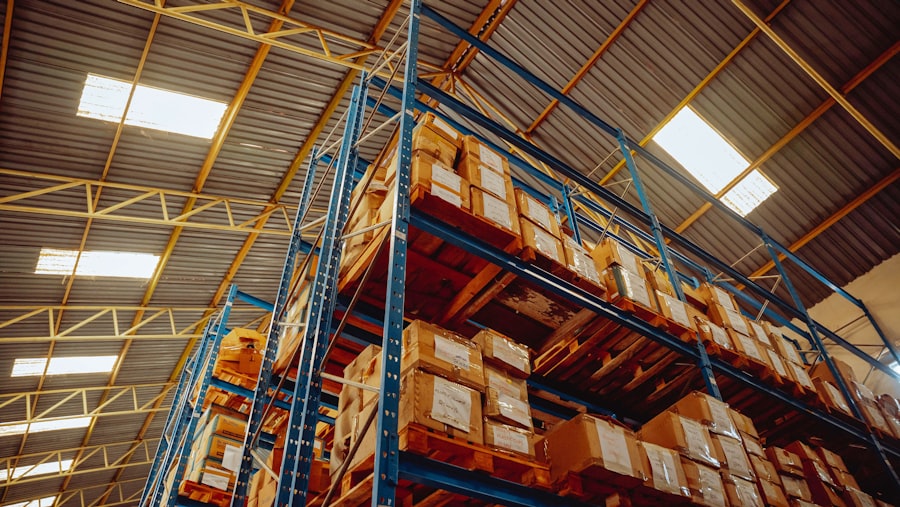
Training and onboarding new warehouse staff can be a time-consuming process, often requiring extensive resources to ensure that employees are adequately prepared for their roles. AR technology offers a solution by providing immersive training experiences that allow new hires to learn in a simulated environment before engaging in actual tasks. Through AR applications, trainees can practice picking items, navigating the warehouse layout, and understanding safety protocols without the pressure of real-time performance.
Furthermore, AR can enhance knowledge retention among trainees by offering interactive learning experiences. Instead of relying solely on traditional training methods such as manuals or lectures, AR engages employees through hands-on activities that reinforce learning. For example, an AR system might guide a trainee through a series of picking scenarios, allowing them to make decisions and receive immediate feedback on their performance. This approach not only accelerates the onboarding process but also helps build confidence among new employees as they become familiar with their responsibilities.
As augmented reality continues to transform various industries, its impact on warehouse picking and logistics is becoming increasingly evident. A related article discusses the concept of BOPIS, or Buy Online, Pick Up In Store, which highlights how retailers are optimizing their supply chains to enhance customer experience. For more insights on this innovative approach, you can read about it in detail here. This synergy between AR technology and BOPIS strategies is paving the way for more efficient and streamlined operations in the logistics sector.
Implementing AR Technology in Warehouse Picking and Logistics
| Metric | Traditional Warehouse Picking | AR-Enhanced Warehouse Picking | Improvement |
|---|---|---|---|
| Picking Accuracy | 85-90% | 98-99% | +8-14% |
| Picking Speed (items/hour) | 100-120 | 150-180 | +50% |
| Training Time for New Workers | 2-3 weeks | 3-5 days | ~70% reduction |
| Error Rate | 5-10% | 1-2% | ~80% reduction |
| Order Fulfillment Time | 24-48 hours | 12-24 hours | ~50% faster |
| Worker Fatigue | High (due to manual searching) | Reduced (guided picking) | Improved ergonomics |
| Inventory Management Efficiency | Moderate | High (real-time updates) | Improved accuracy and speed |
The successful implementation of AR technology in warehouse picking and logistics requires careful planning and consideration of various factors. Organizations must first assess their specific needs and identify areas where AR can provide the most value. This may involve evaluating existing workflows, pinpointing inefficiencies, and determining how AR can address these challenges effectively. Engaging stakeholders from different departments—such as IT, operations, and human resources—can facilitate a comprehensive understanding of how AR will fit into the overall logistics strategy.
Once the needs assessment is complete, organizations must select appropriate AR solutions that align with their operational goals. This may involve choosing between different types of AR devices, such as smart glasses or mobile applications, depending on the specific requirements of the warehouse environment. Additionally, organizations should consider integration with existing systems, such as inventory management software or enterprise resource planning (ERP) systems, to ensure seamless data flow and functionality.
Case Studies: Successful Implementation of AR in Warehouse Picking and Logistics
Several companies have successfully integrated AR technology into their warehouse operations, demonstrating its potential benefits. One notable example is DHL, which has implemented AR solutions in its warehouses to enhance order picking processes. By using smart glasses equipped with AR capabilities, DHL workers receive real-time instructions on item locations and optimal picking routes. This implementation has led to significant improvements in picking speed and accuracy, ultimately enhancing overall operational efficiency.
Another case study involves Walmart, which has explored the use of AR for inventory management and employee training. By utilizing AR applications that overlay digital information onto physical products, Walmart employees can quickly identify stock levels and product details without needing to consult separate devices or paperwork. This approach has streamlined inventory processes and reduced errors associated with manual checks. The positive outcomes from these implementations highlight the potential for AR technology to transform warehouse operations across various industries.
Overcoming Challenges in Adopting AR for Warehouse Picking and Logistics
Despite its advantages, adopting AR technology in warehouse picking and logistics is not without challenges. One significant hurdle is the initial investment required for hardware and software development. Organizations may be hesitant to allocate resources toward new technologies without clear evidence of return on investment (ROI). To address this concern, companies should conduct thorough cost-benefit analyses that demonstrate how AR can lead to long-term savings through increased efficiency and reduced errors.
Another challenge lies in ensuring that employees are comfortable with new technologies. Resistance to change is common in any workplace, particularly when it involves adopting advanced tools like AR systems. To mitigate this issue, organizations should prioritize comprehensive training programs that familiarize employees with the technology before it is fully implemented. Engaging staff in the decision-making process and addressing their concerns can also foster a more positive attitude toward adopting new technologies.
The Future of AR in Warehouse Picking and Logistics
The future of AR in warehouse picking and logistics appears promising as advancements in technology continue to evolve. As hardware becomes more affordable and software solutions become increasingly sophisticated, more organizations are likely to explore the potential applications of AR within their operations. Innovations such as improved computer vision capabilities and enhanced data analytics will further enhance the effectiveness of AR systems in optimizing warehouse processes.
Moreover, as e-commerce continues to grow, the demand for efficient logistics solutions will drive further investment in technologies like AR. Companies will seek ways to meet customer expectations for fast delivery times while maintaining accuracy in order fulfillment. In this context, AR will play a crucial role in enabling warehouses to adapt quickly to changing demands while ensuring high levels of operational performance.
In conclusion, augmented reality has the potential to revolutionize warehouse picking and logistics by enhancing efficiency, accuracy, training processes, and overall operational effectiveness. As organizations continue to explore its applications, overcoming challenges related to implementation will be essential for realizing its full benefits. The future landscape of logistics will likely be shaped by ongoing advancements in AR technology, making it an integral component of modern supply chain management strategies.
FAQs
What is augmented reality (AR) in the context of warehouse picking and logistics?
Augmented reality (AR) refers to technology that overlays digital information, such as images, instructions, or data, onto the real-world environment. In warehouse picking and logistics, AR helps workers by providing visual guidance and real-time information to improve accuracy and efficiency.
How does AR improve the accuracy of warehouse picking?
AR systems can display precise picking instructions directly in the worker’s field of view, reducing errors caused by misreading labels or incorrect item selection. This visual assistance ensures that the right products are picked in the correct quantities, minimizing mistakes.
Can AR technology increase the speed of logistics operations?
Yes, AR can significantly speed up logistics processes by streamlining navigation through warehouses, optimizing picking routes, and providing instant access to inventory data. This reduces the time workers spend searching for items and verifying orders.
What types of devices are commonly used for AR in warehouses?
Common AR devices in warehouses include smart glasses, head-mounted displays, and handheld AR-enabled scanners or tablets. These devices allow workers to receive hands-free instructions and interact with digital information while performing physical tasks.
Are there any challenges to implementing AR in warehouse logistics?
Challenges include the initial cost of AR hardware and software, the need for employee training, integration with existing warehouse management systems, and ensuring the technology is durable and reliable in industrial environments. However, many companies find the long-term benefits outweigh these challenges.