

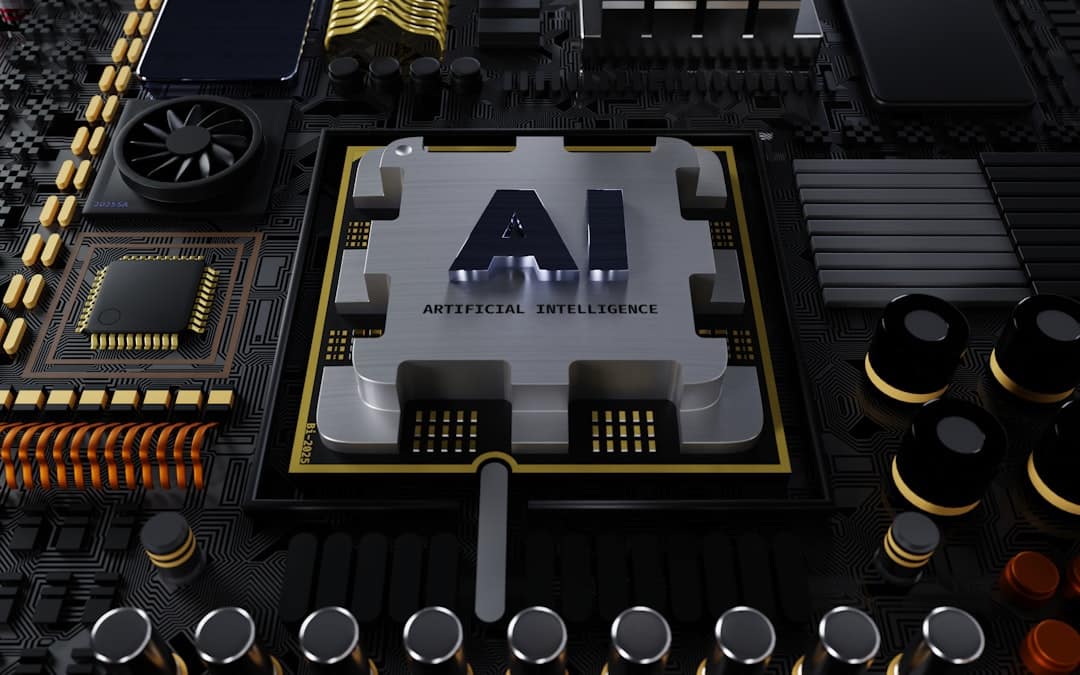
Ambient computing refers to a technological paradigm where computing is seamlessly integrated into the environment, allowing devices to interact with users in a natural and unobtrusive manner. This concept envisions a world where technology is embedded in everyday objects and surroundings, enabling a fluid interaction between humans and machines. Unlike traditional computing, which often requires direct engagement through screens or keyboards, ambient computing aims to create an environment where technology anticipates user needs and responds accordingly.
The essence of ambient computing lies in its ability to create a context-aware experience. Devices equipped with sensors, artificial intelligence, and connectivity can gather data about their surroundings and the users within them. This data enables the technology to provide personalized services and information without requiring explicit commands. For instance, smart home devices can adjust lighting, temperature, and security settings based on the occupants’ preferences and behaviors, creating a more comfortable living space.
As we explore the future of ambient computing and its potential to integrate technology seamlessly into our daily lives, it’s interesting to consider the role of devices that enhance connectivity and functionality. One such device is a tablet with a SIM card slot, which allows users to stay connected on the go without relying solely on Wi-Fi. For more insights on the best options available, you can check out this article on the best tablets with SIM card slots: Best Tablets with SIM Card Slot. This integration of mobile technology exemplifies how ambient computing can create a more fluid and connected experience.
Key Takeaways
- Ambient computing enables seamless interaction with technology through embedded, context-aware devices.
- It transforms daily life by making technology more intuitive and responsive to user needs.
- Artificial intelligence is crucial for processing data and personalizing ambient computing experiences.
- Privacy and security are major concerns due to constant data collection and device connectivity.
- Ambient computing will revolutionize smart homes and cities by enhancing automation and connectivity.
The Impact of Ambient Computing on Daily Life
The integration of ambient computing into daily life has the potential to transform how individuals interact with their environments. One of the most significant impacts is the enhancement of convenience. With ambient computing, tasks that once required manual input can be automated or simplified. For example, smart assistants can manage schedules, control home appliances, and even order groceries based on user habits, allowing individuals to focus on more important activities.
Moreover, ambient computing can improve accessibility for people with disabilities. Voice-activated systems and gesture recognition technologies enable users to control devices without physical interaction. This inclusivity fosters independence and enhances the quality of life for those who may struggle with traditional interfaces.
As ambient computing continues to evolve, it is likely to create more opportunities for diverse populations to engage with technology effectively.
How Ambient Computing Will Change the Way We Interact with Technology

The shift towards ambient computing signifies a fundamental change in human-technology interaction. Traditional interfaces often require users to learn specific commands or navigate complex menus. In contrast, ambient computing promotes a more intuitive approach, where technology adapts to user behavior and preferences. This shift could lead to a more natural interaction model, where users communicate with devices using everyday language or gestures.
As ambient computing becomes more prevalent, the reliance on screens may diminish. Users may find themselves interacting with their environments through voice commands or even through non-verbal cues. This evolution could lead to a more immersive experience, where technology becomes an integral part of the user’s surroundings rather than a separate entity. The implications for industries such as education, healthcare, and entertainment are significant, as they may need to adapt their approaches to align with these new interaction paradigms.
The Role of Artificial Intelligence in Ambient Computing

Artificial intelligence (AI) plays a crucial role in the development and functionality of ambient computing systems. AI algorithms enable devices to process vast amounts of data from various sources, allowing them to learn from user interactions and environmental changes. This capability is essential for creating context-aware systems that can anticipate user needs and provide relevant information or services.
Machine learning techniques are particularly important in this context. By analyzing patterns in user behavior, AI can optimize device performance and enhance user experience. For instance, smart thermostats can learn a household’s temperature preferences over time and adjust settings automatically, leading to increased energy efficiency. As AI continues to advance, its integration into ambient computing will likely lead to even more sophisticated applications that further enhance user convenience and satisfaction.
As we explore the future of technology, the concept of ambient computing is becoming increasingly relevant, seamlessly integrating tech into our daily lives. A related article discusses the innovative features of the iPhone 14 Pro, highlighting how advancements in mobile technology contribute to this trend. You can read more about it in this insightful piece on the iPhone 14 Pro, which showcases how devices are evolving to create a more interconnected and intuitive user experience.
Privacy and Security Concerns with Ambient Computing
| Aspect | Current Status | Future Integration with Ambient Computing | Expected Impact | Key Metrics |
|---|---|---|---|---|
| Device Connectivity | Multiple devices require manual connection and setup | Automatic, seamless device interconnection without user intervention | Reduced setup time, enhanced user experience | Connection latency < 1 second; 90% devices auto-connect |
| User Interaction | Primarily screen-based and manual input | Voice, gesture, and context-aware interactions | Hands-free control, increased accessibility | Voice recognition accuracy > 95%; gesture recognition latency < 0.5s |
| Data Processing | Mostly cloud-based with some local processing | Distributed edge and cloud computing for real-time responses | Faster response times, improved privacy | Response time < 100ms; data processed locally 70% of the time |
| Context Awareness | Limited to device-specific sensors | Integrated multi-sensor context awareness across environments | Personalized and adaptive experiences | Context detection accuracy > 90% |
| Energy Efficiency | Devices often consume high power when idle | Smart power management with ambient energy harvesting | Longer device lifespans, reduced energy costs | Power consumption reduced by 40%; battery life extended by 30% |
| Security & Privacy | Centralized security models, vulnerable to breaches | Decentralized, context-aware security protocols | Enhanced data protection, user trust | Security breach incidents reduced by 50% |
While ambient computing offers numerous benefits, it also raises significant privacy and security concerns. The pervasive nature of connected devices means that they continuously collect data about users’ habits, preferences, and even personal information. This data collection can lead to potential misuse if not properly managed. Users may find themselves vulnerable to surveillance or data breaches if adequate security measures are not in place.
To address these concerns, developers must prioritize robust security protocols and transparent data management practices. Users should be informed about what data is being collected and how it will be used. Additionally, implementing strong encryption methods and regular software updates can help protect against unauthorized access. As ambient computing becomes more widespread, establishing trust between users and technology providers will be essential for its successful adoption.
The Future of Ambient Computing and Its Potential Applications
The future of ambient computing holds vast potential across various sectors. In healthcare, for example, ambient computing could facilitate remote patient monitoring through wearable devices that track vital signs and alert healthcare providers in real-time. This capability could lead to more proactive healthcare management and improved patient outcomes.
In education, ambient computing could create personalized learning environments that adapt to individual student needs. Smart classrooms equipped with sensors could adjust lighting and sound levels based on student engagement, enhancing the learning experience. Furthermore, in retail, ambient computing could revolutionize customer interactions by providing personalized recommendations based on shopping habits and preferences.
The Challenges of Integrating Ambient Computing into Existing Systems
Despite its potential benefits, integrating ambient computing into existing systems presents several challenges. One significant hurdle is the need for interoperability among various devices and platforms. As different manufacturers develop their own standards and protocols, ensuring seamless communication between devices can be complex. This fragmentation may hinder the widespread adoption of ambient computing technologies.
Additionally, there are technical challenges related to infrastructure requirements. Many ambient computing applications rely on high-speed internet connectivity and advanced sensor technologies. In areas with limited access to reliable internet or outdated infrastructure, implementing these systems may be impractical. Addressing these challenges will require collaboration among stakeholders, including technology developers, policymakers, and infrastructure providers.
How Ambient Computing Will Shape the Future of Smart Homes and Cities
Ambient computing is poised to play a pivotal role in the evolution of smart homes and cities. In residential settings, smart home devices will increasingly work together to create cohesive ecosystems that enhance comfort and efficiency. For instance, lighting systems may communicate with security cameras to adjust brightness based on occupancy or time of day, creating a safer environment.
On a larger scale, cities can leverage ambient computing to improve urban living conditions. Smart traffic management systems can analyze real-time data from vehicles and pedestrians to optimize traffic flow and reduce congestion. Additionally, public services can become more responsive through the use of connected sensors that monitor environmental conditions or public safety issues.
In conclusion, ambient computing represents a significant shift in how technology interacts with our daily lives.
Its potential applications span various sectors, promising enhanced convenience and efficiency while also raising important privacy concerns that must be addressed.
As we move forward into an increasingly interconnected world, understanding the implications of ambient computing will be essential for harnessing its benefits while mitigating its challenges.
FAQs
What is ambient computing?
Ambient computing refers to technology that integrates seamlessly into the environment, allowing users to interact with devices naturally and effortlessly without needing direct input or attention.
How does ambient computing differ from traditional computing?
Unlike traditional computing, which requires explicit commands and direct interaction, ambient computing operates in the background, using sensors, AI, and connectivity to anticipate user needs and provide information or services proactively.
What are common examples of ambient computing in everyday life?
Examples include smart home devices like voice-activated assistants, context-aware lighting and temperature controls, wearable health monitors, and connected appliances that adjust settings automatically based on user behavior.
What technologies enable ambient computing?
Key technologies include artificial intelligence, machine learning, Internet of Things (IoT) devices, natural language processing, and advanced sensors that collect and analyze data to create a responsive environment.
What are the benefits of ambient computing integration?
Ambient computing enhances convenience, improves efficiency, supports accessibility, and creates more personalized user experiences by allowing technology to operate unobtrusively and intuitively within daily life.