

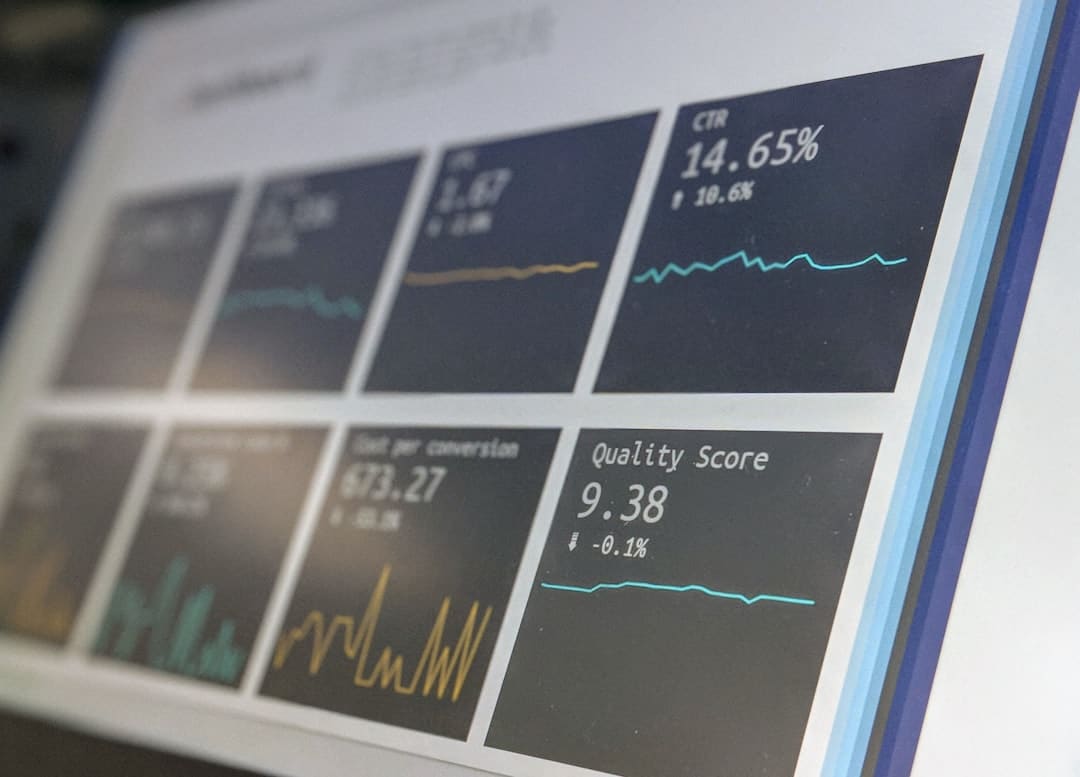
In recent years, the landscape of data analysis has undergone a seismic shift, primarily driven by advancements in artificial intelligence (AI). AI-powered analytics refers to the integration of AI technologies into data analysis processes, enabling organizations to derive deeper insights from their data than ever before. This evolution is not merely a trend; it represents a fundamental change in how businesses approach data, transforming raw numbers into actionable intelligence.
The ability to analyze vast amounts of data quickly and accurately has become a competitive advantage, allowing companies to make informed decisions that can significantly impact their bottom line. The rise of AI-powered analytics is fueled by the exponential growth of data generated across various sectors. With the proliferation of digital technologies, businesses are inundated with information from multiple sources, including social media, customer interactions, and operational processes.
AI-powered analytics addresses these challenges by leveraging machine learning algorithms and natural language processing to automate data processing, uncover patterns, and generate insights that would be difficult or impossible to achieve through manual analysis.
Key Takeaways
- AI-powered analytics enhances business intelligence by automating and improving data analysis processes.
- Machine learning plays a crucial role in extracting meaningful patterns and predictions from complex datasets.
- Real-time insights enabled by AI allow faster and more informed decision-making in dynamic business environments.
- Implementing AI analytics involves challenges such as data quality, integration, and ethical considerations.
- Successful case studies demonstrate significant improvements in efficiency and competitive advantage through AI analytics adoption.
The Impact of AI-Powered Analytics on Business Intelligence
The integration of AI into business intelligence (BI) systems has revolutionized how organizations interpret and utilize their data. Traditional BI tools often rely on static reports and historical data analysis, which can limit the scope of insights available to decision-makers. In contrast, AI-powered analytics enables dynamic reporting and real-time data visualization, allowing businesses to adapt quickly to changing market conditions.
This shift not only enhances the speed of decision-making but also improves the accuracy of forecasts and strategic planning. Moreover, AI-powered analytics facilitates a more nuanced understanding of customer behavior and market trends. By employing advanced algorithms that can analyze unstructured data—such as customer reviews, social media interactions, and other textual information—businesses can gain insights into customer sentiment and preferences.
For instance, a retail company might use AI to analyze customer feedback across various platforms, identifying common themes that inform product development and marketing strategies. This level of insight empowers organizations to tailor their offerings more effectively, ultimately leading to increased customer satisfaction and loyalty.
How AI-Powered Analytics is Improving Data Processing and Analysis

One of the most significant advantages of AI-powered analytics is its ability to streamline data processing and analysis. Traditional methods often involve labor-intensive processes that require significant human intervention, from data cleaning to statistical analysis.
Machine learning algorithms can identify anomalies in datasets, clean up inconsistencies, and even predict which data points are most relevant for analysis. Furthermore, AI-powered analytics enhances the depth of analysis by enabling predictive modeling and scenario simulation. For example, financial institutions can use AI algorithms to analyze historical transaction data and predict future trends in consumer spending.
By simulating various economic scenarios, these institutions can better prepare for potential market fluctuations and adjust their strategies accordingly. This capability not only improves operational efficiency but also enhances risk management practices, allowing organizations to navigate uncertainties with greater confidence.
The Role of Machine Learning in AI-Powered Analytics
Machine learning (ML) is at the heart of AI-powered analytics, serving as the engine that drives advanced data processing capabilities. ML algorithms learn from historical data patterns and continuously improve their performance as they are exposed to new information. This iterative learning process enables organizations to refine their analytical models over time, resulting in increasingly accurate predictions and insights.
For instance, a healthcare provider might employ machine learning algorithms to analyze patient records and identify risk factors for certain diseases, allowing for proactive interventions that improve patient outcomes. Moreover, machine learning enhances the personalization of services offered by businesses. E-commerce platforms utilize ML algorithms to analyze user behavior and preferences, enabling them to recommend products tailored to individual customers.
This not only improves the shopping experience but also drives sales by presenting customers with options they are more likely to purchase. The ability of machine learning to adapt to changing consumer behaviors ensures that businesses remain relevant in an ever-evolving marketplace.
Real-Time Insights and Decision Making with AI-Powered Analytics
| Metric | Before AI-Powered Analytics | After AI-Powered Analytics | Impact |
|---|---|---|---|
| Data Processing Speed | Hours to days | Minutes to seconds | Significantly faster decision-making |
| Accuracy of Insights | 70-80% | 90-95% | Improved reliability of business forecasts |
| Volume of Data Analyzed | Limited to structured data | Structured + unstructured data | Broader and deeper analysis |
| Predictive Analytics Adoption | Low (20%) | High (75%) | More proactive business strategies |
| Cost of Data Analysis | High due to manual processes | Reduced through automation | Lower operational costs |
| User Accessibility | Limited to data experts | Accessible to business users | Democratization of data insights |
| Real-time Analytics Capability | Rarely available | Widely available | Faster response to market changes |
The demand for real-time insights has never been greater in today’s fast-paced business environment. Organizations are increasingly recognizing that timely access to information can be a game-changer in decision-making processes. AI-powered analytics provides the tools necessary for real-time data analysis, enabling businesses to respond swiftly to emerging trends or potential issues.
For example, a logistics company can utilize AI algorithms to monitor supply chain operations in real-time, identifying bottlenecks or delays as they occur and allowing for immediate corrective actions. The ability to harness real-time insights also fosters a culture of agility within organizations. Teams can make informed decisions based on the latest data rather than relying on outdated reports or assumptions.
This shift towards data-driven decision-making empowers employees at all levels to contribute meaningfully to strategic initiatives. For instance, marketing teams can adjust campaigns on-the-fly based on real-time performance metrics, optimizing their efforts for maximum impact.
The Future of Business Intelligence with AI-Powered Analytics

As technology continues to evolve, the future of business intelligence is poised for further transformation through AI-powered analytics. Emerging technologies such as natural language processing (NLP) and advanced visualization tools are set to enhance the accessibility and usability of data insights. NLP allows users to interact with data using natural language queries, making it easier for non-technical stakeholders to extract valuable information without needing extensive training in data analysis.
Additionally, the integration of AI with other technologies such as the Internet of Things (IoT) will create new opportunities for business intelligence. IoT devices generate vast amounts of real-time data that can be analyzed using AI algorithms to uncover insights about operational efficiency or customer behavior. For example, smart manufacturing systems can leverage AI-powered analytics to optimize production processes based on real-time equipment performance data, leading to reduced downtime and increased productivity.
Challenges and Considerations in Implementing AI-Powered Analytics
Despite the numerous benefits associated with AI-powered analytics, organizations must navigate several challenges when implementing these technologies. One significant hurdle is the need for high-quality data. AI algorithms rely on accurate and comprehensive datasets to produce reliable insights; therefore, organizations must invest in robust data governance practices to ensure data integrity.
Poor-quality data can lead to misleading conclusions and undermine trust in analytical outputs. Another consideration is the potential for bias in AI algorithms. If the training data used to develop machine learning models contains inherent biases, these biases may be perpetuated in the insights generated by the system.
Organizations must be vigilant in monitoring their algorithms for bias and take proactive steps to mitigate its impact. This may involve diversifying training datasets or implementing fairness checks throughout the analytical process.
Case Studies of Successful AI-Powered Analytics Implementations
Numerous organizations have successfully harnessed AI-powered analytics to drive innovation and improve operational efficiency across various industries. One notable example is Netflix, which utilizes sophisticated algorithms to analyze viewer preferences and behavior patterns. By leveraging this data, Netflix can recommend content tailored to individual users, significantly enhancing user engagement and retention rates.
The company’s ability to predict which shows will resonate with audiences has also informed its content creation strategy, leading to successful original programming that aligns with viewer interests. In the healthcare sector, Mount Sinai Health System has implemented AI-powered analytics to enhance patient care through predictive modeling. By analyzing electronic health records and other patient data, the system can identify individuals at high risk for conditions such as diabetes or heart disease.
This proactive approach allows healthcare providers to intervene early with targeted prevention strategies, ultimately improving patient outcomes while reducing healthcare costs. These case studies illustrate the transformative potential of AI-powered analytics across diverse sectors, showcasing how organizations can leverage advanced technologies to gain a competitive edge in an increasingly data-driven world.
In the rapidly evolving landscape of business intelligence, the integration of AI-powered analytics is proving to be a game changer. For those interested in exploring how technology can enhance creativity and productivity, a related article on unlocking your creative potential with the Samsung Galaxy Book Flex2 Alpha offers valuable insights. You can read more about it

<ul class=)