


Adaptive learning is an educational methodology that uses technology to customize instruction based on individual student characteristics and performance. This approach has gained prominence with the advancement of artificial intelligence (AI) technologies that enable sophisticated personalization of educational content and delivery methods. Adaptive learning systems employ algorithms and data analytics to evaluate student performance metrics, learning patterns, skill levels, and progression rates to generate individualized learning paths.
This represents a departure from traditional uniform instructional models toward differentiated educational experiences. AI integration in adaptive learning platforms enables continuous assessment and real-time adjustment of educational content. These systems process large datasets generated from student interactions with learning materials, identifying behavioral patterns and performance indicators that inform pedagogical decisions.
The technology provides educators with detailed analytics on student progress and learning gaps, facilitating evidence-based instructional planning. Educational institutions are increasingly implementing these AI-driven adaptive learning solutions, with research indicating potential improvements in student achievement and engagement metrics across various academic disciplines and learning environments.
Key Takeaways
- Adaptive learning uses AI to tailor educational experiences to individual student needs.
- AI personalizes learning by analyzing student data and adjusting content in real-time.
- AI helps assess and monitor student progress more efficiently and accurately.
- Implementing AI-driven adaptive learning requires addressing challenges like privacy and teacher training.
- The future of education is shaped by AI’s potential to enhance personalized learning and improve outcomes.
The Benefits of Adaptive Learning in Education
One of the most significant advantages of adaptive learning is its ability to cater to diverse learning styles and paces. Traditional educational models often struggle to accommodate the varying needs of students, leading to disengagement and frustration among those who may not fit the standard mold. Adaptive learning systems address this issue by offering personalized content that aligns with each student’s unique learning trajectory.
For instance, a student who excels in mathematics but struggles with reading comprehension can receive targeted exercises that bolster their reading skills while allowing them to advance in math without unnecessary delays. Moreover, adaptive learning fosters a more engaging and interactive educational environment. By utilizing gamification elements and interactive content, these systems can motivate students to take ownership of their learning journey.
For example, platforms like DreamBox Learning and Knewton provide students with immediate feedback and rewards for their progress, encouraging them to persist through challenges. This engagement not only enhances knowledge retention but also cultivates a growth mindset, where students learn to view challenges as opportunities for development rather than obstacles.
How AI Personalizes Learning for Students
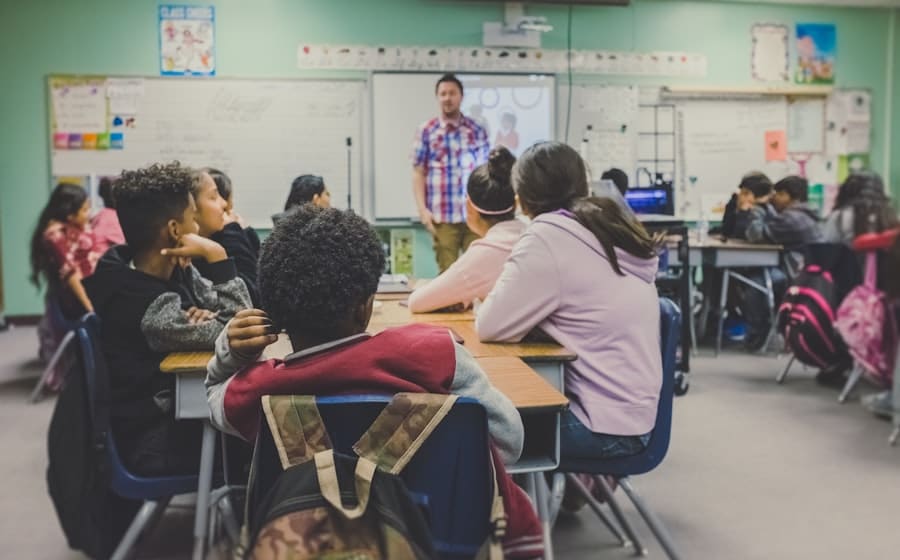
AI plays a pivotal role in personalizing the learning experience by analyzing data from various sources, including assessments, quizzes, and even classroom interactions. Through machine learning algorithms, AI can identify specific areas where a student may be struggling and suggest tailored resources or activities to address those gaps. For instance, if a student consistently performs poorly on algebraic concepts, the AI system can recommend additional practice problems or instructional videos that focus specifically on those topics.
Furthermore, AI can adapt the difficulty level of tasks based on real-time performance metrics. If a student demonstrates mastery of a particular concept, the system can automatically present more challenging material to keep them engaged and progressing. Conversely, if a student is struggling, the AI can adjust the content to ensure they are not overwhelmed, providing a supportive learning environment that encourages growth at an appropriate pace.
This dynamic adjustment is crucial in maintaining student motivation and ensuring that each learner receives the support they need to succeed.
The Role of AI in Assessing and Monitoring Student Progress
Assessment is a critical component of education, and AI enhances this process by providing continuous monitoring of student progress. Traditional assessment methods often rely on periodic testing, which may not accurately reflect a student’s ongoing understanding or skills. In contrast, AI-driven adaptive learning systems can track student performance in real-time, offering insights into their progress over time.
This continuous assessment allows educators to make informed decisions about instructional strategies and interventions. For example, platforms like Smart Sparrow utilize formative assessments that adapt based on student responses, providing immediate feedback and insights into areas needing improvement. Educators can access detailed analytics that highlight trends in student performance, enabling them to identify which concepts are well understood and which require further attention.
This data-driven approach not only informs teaching practices but also empowers students by giving them a clearer understanding of their own learning journey.
Implementing AI-Driven Adaptive Learning in the Classroom
| Metric | Description | Impact of AI Adaptive Learning | Example Data |
|---|---|---|---|
| Student Engagement | Level of active participation and interest in learning activities | AI personalizes content to match student interests and pace, increasing engagement | Engagement increased by 30% in AI-adaptive platforms |
| Learning Retention | Percentage of information retained over time | Adaptive learning adjusts difficulty and repetition, improving retention | Retention rates improved by 25% with AI-driven adaptive learning |
| Assessment Accuracy | Precision in measuring student knowledge and skills | AI provides real-time, personalized assessments tailored to student needs | Assessment accuracy improved by 20% |
| Time to Mastery | Average time taken for students to master a concept | Adaptive learning reduces time by focusing on weak areas | Time to mastery reduced by 35% |
| Teacher Workload | Amount of time teachers spend on grading and lesson planning | AI automates grading and customizes lesson plans, reducing workload | Teacher workload decreased by 40% |
| Student Performance Improvement | Overall improvement in grades and test scores | Personalized learning paths help improve student outcomes | Average test scores increased by 15% |
The successful implementation of AI-driven adaptive learning in classrooms requires careful planning and consideration of various factors. First and foremost, educators must be equipped with the necessary training to effectively integrate these technologies into their teaching practices. Professional development programs should focus on familiarizing teachers with adaptive learning platforms, data interpretation, and instructional design that leverages AI insights.
Additionally, schools must invest in the infrastructure needed to support these technologies. This includes ensuring reliable internet access, providing devices for students, and selecting appropriate adaptive learning software that aligns with curricular goals.
For instance, schools might pilot adaptive learning programs in specific subjects or grade levels before scaling them across the curriculum based on feedback and outcomes.
Overcoming Challenges and Concerns in AI-Driven Education

Despite the numerous benefits of AI-driven adaptive learning, several challenges and concerns must be addressed to ensure its effective implementation. One significant issue is data privacy and security. As adaptive learning systems collect vast amounts of student data to personalize experiences, concerns about how this information is stored and used are paramount.
Educational institutions must establish robust data protection policies and ensure compliance with regulations such as FERPA (Family Educational Rights and Privacy Act) to safeguard student information. Another challenge lies in the potential for algorithmic bias within AI systems. If the data used to train these algorithms reflects existing biases or inequities, there is a risk that the adaptive learning experience may inadvertently perpetuate these issues.
It is crucial for developers and educators to critically evaluate the data sources and algorithms employed in adaptive learning systems to mitigate bias and ensure equitable access to educational opportunities for all students.
The Future of AI in Education and Its Potential Impact
Looking ahead, the future of AI in education appears promising, with the potential for even greater advancements in personalized learning experiences. As technology continues to evolve, we can expect more sophisticated algorithms capable of understanding complex student behaviors and preferences. This evolution may lead to even more tailored educational pathways that adapt not only to academic performance but also to emotional and social factors influencing learning.
Moreover, the integration of AI with other emerging technologies such as virtual reality (VR) and augmented reality (AR) could revolutionize how students engage with content. Imagine a scenario where students explore historical events through immersive VR experiences while receiving real-time feedback from an AI tutor that adapts the experience based on their interactions. Such innovations could enhance engagement and deepen understanding by providing experiential learning opportunities that traditional methods cannot replicate.
Embracing the Potential of AI-Driven Adaptive Learning in Education
As we navigate the complexities of modern education, embracing AI-driven adaptive learning presents an opportunity to enhance teaching and learning experiences significantly. By personalizing education through data-driven insights and real-time feedback, we can create an environment where every student has the chance to thrive. While challenges remain regarding data privacy and algorithmic bias, proactive measures can be taken to address these concerns.
The potential impact of AI in education extends beyond mere academic achievement; it encompasses fostering a love for learning, promoting equity, and preparing students for an increasingly complex world. As educators, administrators, and policymakers work together to harness the power of AI in adaptive learning, we stand at the forefront of a new era in education—one that prioritizes individual growth while embracing technological innovation as a catalyst for change.
As artificial intelligence continues to reshape the educational landscape, the concept of adaptive learning is gaining traction, allowing for personalized learning experiences tailored to individual student needs. For further insights into the evolving trends in education, you can explore the article on predicted trends for 2023, which discusses various innovations, including the role of AI in learning environments. Check it out here: What Trends Are Predicted for 2023.
FAQs
What is adaptive learning in education?
Adaptive learning is an educational method that uses technology and data analysis to tailor learning experiences to the individual needs, skills, and pace of each student. It adjusts content and assessments dynamically to optimize learning outcomes.
How does AI contribute to adaptive learning?
AI contributes by analyzing student performance data in real-time, identifying strengths and weaknesses, and customizing instructional materials accordingly. It enables personalized feedback, targeted practice, and efficient learning pathways.
What are the benefits of AI-driven adaptive learning?
Benefits include personalized learning experiences, improved student engagement, better retention of knowledge, efficient use of instructional time, and the ability to support diverse learning styles and paces.
Can adaptive learning systems replace traditional teachers?
No, adaptive learning systems are designed to support and enhance the role of teachers, not replace them. They provide valuable insights and personalized content, allowing educators to focus on mentorship and complex instructional tasks.
Is adaptive learning suitable for all educational levels?
Yes, adaptive learning can be applied across various educational levels, from primary schools to higher education and professional training, as it can be customized to different subjects and learner needs.
What types of AI technologies are used in adaptive learning?
Common AI technologies include machine learning algorithms, natural language processing, data analytics, and recommendation systems that help in personalizing content and assessing student progress.
Are there any challenges associated with AI in adaptive learning?
Challenges include data privacy concerns, the need for high-quality data, potential biases in AI algorithms, the cost of implementation, and ensuring equitable access to technology for all students.
How is student data protected in AI adaptive learning systems?
Educational institutions and technology providers implement data encryption, anonymization, and strict access controls to protect student information, complying with regulations such as FERPA or GDPR depending on the region.
Can adaptive learning improve outcomes for students with special needs?
Yes, adaptive learning can be particularly beneficial for students with special needs by providing customized support, pacing, and content that accommodate their unique learning requirements.
What is the future outlook for AI in education and adaptive learning?
The future of AI in education is promising, with ongoing advancements expected to further personalize learning, enhance teacher support, and make education more accessible and effective worldwide.