

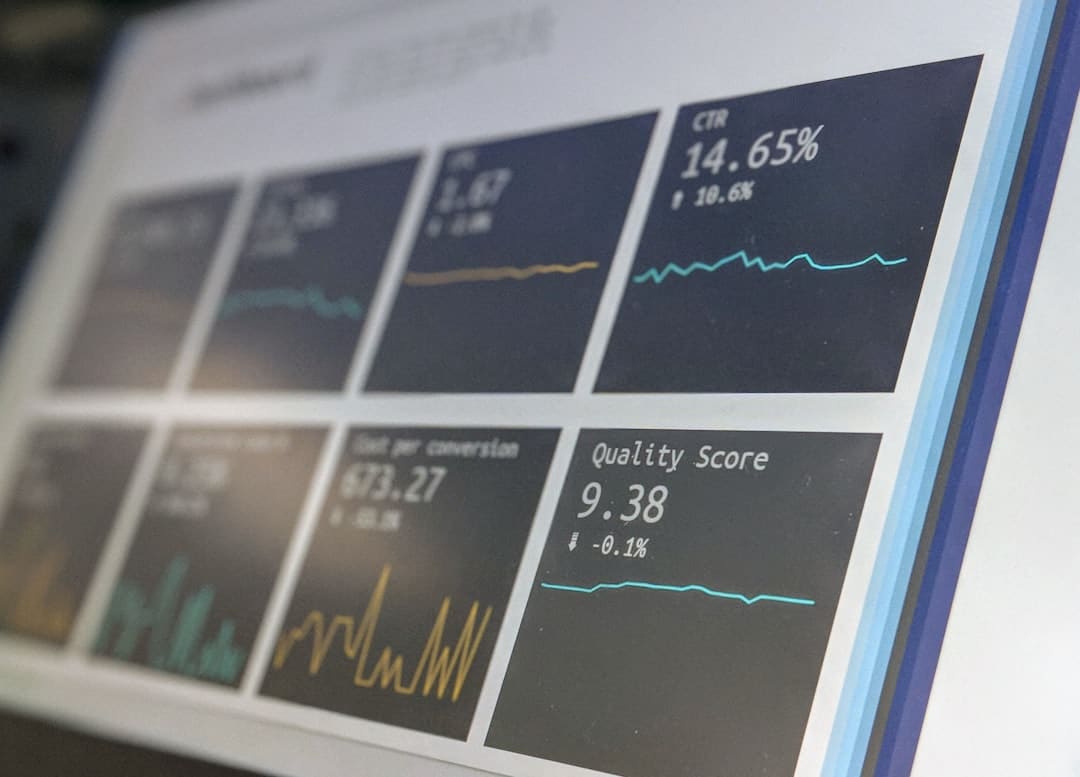
Artificial Intelligence (AI) technologies are being implemented across multiple industries, changing business operations and workforce dynamics. Organizations are integrating AI systems to automate processes, analyze data, and support decision-making functions. These implementations typically involve machine learning algorithms, natural language processing systems, and data analytics platforms that can process information and execute tasks with reduced human oversight.
Current AI workplace applications include automated data processing, pattern recognition in large datasets, and predictive analytics for business forecasting. Companies report measurable improvements in processing speed and operational efficiency when implementing these technologies. Rather than complete job replacement, many organizations use AI to handle routine tasks while redirecting human workers toward activities requiring complex problem-solving, interpersonal communication, and strategic planning.
The expansion of workplace AI stems from recent developments in computational capabilities and algorithm sophistication. Machine learning systems can now process structured and unstructured data at scale, while natural language processing enables automated text analysis and generation. These technological capabilities allow businesses to extract insights from data volumes that exceed manual analysis capacity and maintain continuous operations across time zones and schedules.
Key Takeaways
- AI significantly reduces time spent on repetitive tasks, increasing workplace efficiency.
- Common applications include data entry, scheduling, and customer service automation.
- Benefits of AI automation include cost savings, improved accuracy, and enhanced employee focus on complex tasks.
- Challenges involve technical limitations, employee resistance, and potential job displacement concerns.
- Ethical implementation requires transparency, fairness, and ongoing evaluation to ensure responsible AI use.
The Impact of AI on Repetitive Tasks
Repetitive tasks have long been a staple of many job descriptions across various industries. These tasks often involve routine activities that require minimal cognitive effort, such as data entry, scheduling, and basic customer service inquiries. The introduction of AI into these areas has led to a significant transformation in how work is performed.
By automating repetitive tasks, organizations can reduce the burden on employees, allowing them to redirect their efforts toward more complex and value-added activities. This shift not only enhances productivity but also contributes to higher job satisfaction among employees who may have previously felt stifled by monotonous work. Moreover, the impact of AI on repetitive tasks extends beyond mere efficiency gains.
By minimizing human involvement in routine processes, organizations can achieve greater accuracy and consistency in their operations. For instance, AI algorithms can process data with precision that far exceeds human capabilities, reducing the likelihood of errors that can arise from fatigue or oversight. This increased reliability is particularly crucial in sectors such as finance and healthcare, where even minor mistakes can have significant consequences.
As a result, businesses are not only saving time and resources but also enhancing the quality of their outputs.
Examples of AI Automating Repetitive Tasks

Numerous industries are witnessing the benefits of AI-driven automation in repetitive tasks. In the realm of customer service, chatbots have become a common application of AI technology. These virtual assistants can handle a wide range of inquiries—from answering frequently asked questions to processing simple transactions—without human intervention.
For example, companies like Zendesk and Drift have developed sophisticated chatbot systems that can engage with customers 24/7, providing immediate responses and freeing up human agents to tackle more complex issues that require empathy and nuanced understanding. In the field of finance, AI is revolutionizing how organizations manage their accounting and auditing processes. Robotic Process Automation (RPA) tools can automate data entry tasks, invoice processing, and reconciliation activities with remarkable speed and accuracy.
For instance, UiPath and Automation Anywhere offer platforms that enable businesses to deploy software robots capable of executing repetitive financial tasks without error. This not only accelerates the workflow but also allows finance professionals to focus on strategic financial planning and analysis rather than getting bogged down by routine paperwork.
Benefits of AI Automation in the Workplace
The benefits of AI automation in the workplace are manifold and extend beyond mere efficiency improvements. One of the most significant advantages is cost reduction. By automating repetitive tasks, organizations can minimize labor costs associated with manual processes.
This financial relief allows companies to allocate resources more strategically, investing in areas that drive growth and innovation. Additionally, the reduction in operational costs can lead to lower prices for consumers, enhancing competitive advantage in the marketplace. Another critical benefit is the enhancement of employee morale and job satisfaction.
When employees are relieved from monotonous tasks, they can engage in more fulfilling work that leverages their unique skills and talents. This shift not only fosters a more motivated workforce but also encourages creativity and innovation within teams. Employees who feel valued and challenged are more likely to contribute positively to the organization’s culture and overall success.
Furthermore, by embracing AI as a collaborative tool rather than a replacement for human labor, organizations can cultivate an environment where technology complements human capabilities.
Challenges and Limitations of AI Automation
| Task Type | Automation Tool/Technology | Impact on Efficiency | Example Use Case | Time Saved (%) |
|---|---|---|---|---|
| Data Entry | Robotic Process Automation (RPA) | Reduces manual errors and speeds up processing | Automated invoice processing | 70% |
| Customer Support | AI Chatbots and Virtual Assistants | Handles routine queries 24/7, freeing human agents | Answering FAQs and ticket triaging | 60% |
| Scheduling and Calendar Management | AI Scheduling Assistants | Automates meeting coordination and reminders | Booking meetings based on availability | 50% |
| Document Processing | Natural Language Processing (NLP) | Extracts and organizes data from documents | Contract analysis and summarization | 65% |
| Inventory Management | AI Predictive Analytics | Optimizes stock levels and reorder timing | Automated restocking alerts | 55% |
Despite the numerous advantages associated with AI automation, several challenges and limitations must be addressed for successful implementation. One significant concern is the potential for job displacement. As AI systems become increasingly capable of performing tasks traditionally handled by humans, there is a legitimate fear that certain job roles may become obsolete.
This concern is particularly pronounced in industries heavily reliant on routine tasks, such as manufacturing and data entry. Organizations must navigate this delicate balance between leveraging technology for efficiency while ensuring that employees are not left behind. Another challenge lies in the complexity of integrating AI systems into existing workflows.
Many organizations face hurdles related to data quality, system compatibility, and employee training when adopting AI technologies. For instance, if an organization’s data is fragmented or poorly structured, it can hinder the effectiveness of AI algorithms that rely on high-quality input for accurate outputs. Additionally, employees may require training to adapt to new tools and processes introduced by AI automation.
Without proper support and resources, organizations risk encountering resistance from staff who may feel overwhelmed or threatened by technological changes.
The Future of AI in the Workplace
Looking ahead, the future of AI in the workplace appears promising yet complex. As technology continues to evolve at an unprecedented pace, organizations will likely see even greater integration of AI into their operations. Emerging trends such as augmented intelligence—where AI systems work alongside humans to enhance decision-making—are expected to gain traction.
This collaborative approach allows employees to leverage AI insights while retaining control over critical decisions that require human judgment. Moreover, advancements in natural language processing and machine learning will enable AI systems to become more intuitive and user-friendly. As these technologies mature, we can anticipate a shift toward more personalized interactions between employees and AI tools.
For example, virtual assistants may evolve to understand individual preferences and work styles better, providing tailored support that enhances productivity. This evolution will not only improve operational efficiency but also foster a more harmonious relationship between humans and machines in the workplace.
Ethical Considerations of AI Automation
As organizations increasingly rely on AI automation, ethical considerations must be at the forefront of discussions surrounding its implementation. One pressing issue is data privacy and security. The use of AI often involves processing vast amounts of personal data, raising concerns about how this information is collected, stored, and utilized.
Organizations must ensure compliance with regulations such as the General Data Protection Regulation (GDPR) while maintaining transparency with employees about how their data is being used. Additionally, there are ethical implications related to bias in AI algorithms. If not carefully monitored, AI systems can perpetuate existing biases present in training data or decision-making processes.
For instance, biased algorithms may lead to unfair hiring practices or discriminatory outcomes in customer service interactions. Organizations must prioritize fairness and inclusivity when developing and deploying AI technologies to mitigate these risks effectively.
Tips for Implementing AI Automation in the Workplace
Successfully implementing AI automation requires careful planning and consideration of various factors within an organization. First and foremost, it is essential to conduct a thorough assessment of existing workflows to identify areas where automation can deliver the most significant impact. Engaging employees in this process can provide valuable insights into pain points and opportunities for improvement.
Once potential areas for automation are identified, organizations should invest in high-quality data management practices to ensure that AI systems have access to accurate and relevant information. This may involve cleaning existing datasets or establishing protocols for ongoing data collection and maintenance. Furthermore, providing comprehensive training programs for employees is crucial for fostering acceptance of new technologies.
By equipping staff with the skills needed to work alongside AI tools effectively, organizations can alleviate fears related to job displacement while empowering employees to embrace innovation. Lastly, organizations should establish clear ethical guidelines for AI usage within their operations. This includes addressing issues related to data privacy, algorithmic bias, and transparency in decision-making processes.
By prioritizing ethical considerations alongside technological advancements, organizations can create a sustainable framework for integrating AI automation into their workplaces while fostering trust among employees and stakeholders alike.
In the evolving landscape of workplace efficiency, the article on how AI is automating repetitive tasks highlights the significant impact of technology on productivity. For those interested in further exploring how digital tools can enhance operational effectiveness, the article on best software for tax preparers provides insights into software solutions that streamline workflows and improve accuracy, showcasing the broader trend of automation across various industries.
FAQs
What types of repetitive tasks can AI automate in the workplace?
AI can automate a variety of repetitive tasks including data entry, scheduling, email sorting, customer service inquiries, invoice processing, and report generation.
How does AI improve efficiency in automating repetitive tasks?
AI improves efficiency by performing tasks faster and with fewer errors than humans, allowing employees to focus on more complex and creative work.
Is AI automation suitable for all industries?
AI automation is applicable across many industries such as finance, healthcare, manufacturing, retail, and customer service, wherever repetitive tasks are common.
What are the benefits of using AI to automate repetitive tasks?
Benefits include increased productivity, reduced operational costs, improved accuracy, faster turnaround times, and enhanced employee satisfaction by reducing mundane work.
Can AI completely replace human workers in repetitive tasks?
While AI can handle many repetitive tasks, human oversight is often necessary to manage exceptions, make decisions, and handle complex scenarios.
What technologies are commonly used in AI automation?
Common technologies include machine learning, natural language processing, robotic process automation (RPA), and computer vision.
How does AI handle data privacy and security when automating tasks?
AI systems are designed with data encryption, access controls, and compliance with regulations like GDPR to ensure data privacy and security.
What challenges might organizations face when implementing AI automation?
Challenges include integration with existing systems, employee resistance, initial costs, data quality issues, and the need for ongoing maintenance and updates.
How can businesses prepare their workforce for AI automation?
Businesses can provide training, encourage upskilling, promote collaboration between humans and AI, and communicate transparently about changes.
Is AI automation cost-effective for small businesses?
Yes, many AI automation tools are scalable and affordable, making them accessible to small businesses looking to improve efficiency and reduce manual workload.