

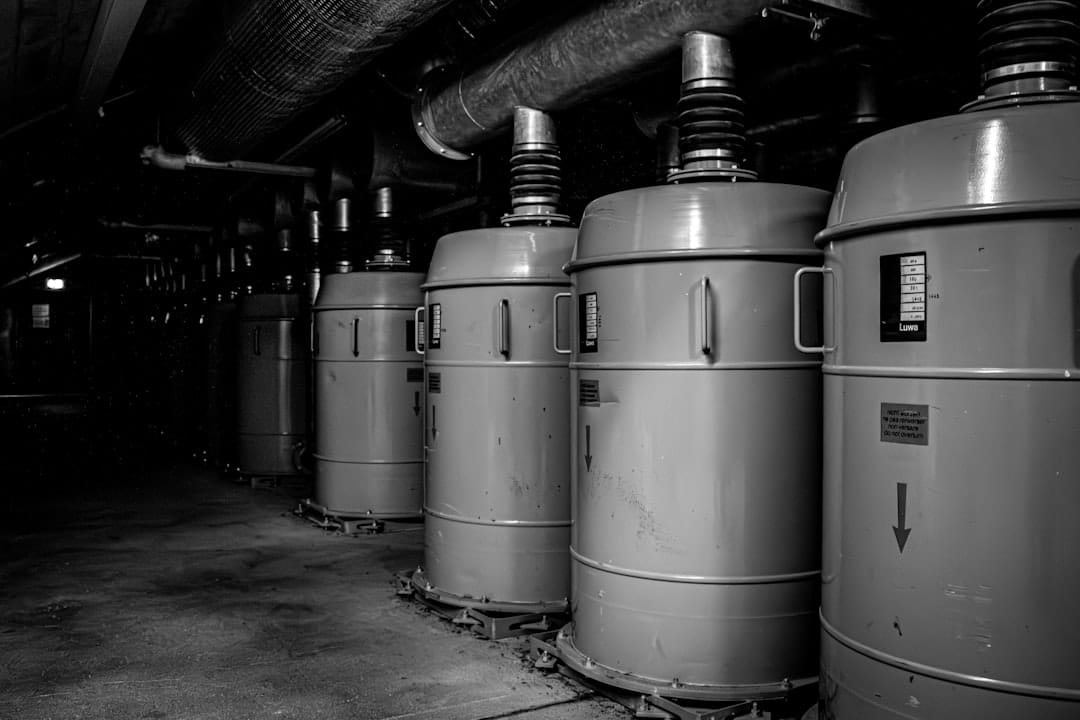
Air filtration systems have undergone significant transformations since their inception. The earliest forms of air filtration can be traced back to ancient civilizations, where rudimentary methods were employed to improve air quality. For instance, the use of cloth and other porous materials to filter dust and particulates was common in various cultures. As industrialization progressed in the 19th century, the need for more effective air purification became apparent, particularly in urban areas plagued by pollution. This led to the development of mechanical filters, which utilized physical barriers to capture larger particles from the air.
The 20th century marked a pivotal point in the evolution of air filtration technology. The introduction of HEPA (High-Efficiency Particulate Air) filters during World War II represented a significant advancement, as these filters could trap a high percentage of airborne particles, including allergens and pathogens. Over the decades, air filtration systems have continued to evolve, incorporating new materials and technologies. The rise of environmental awareness in the late 20th century further propelled innovations in air filtration, leading to the development of systems that not only filter air but also address issues such as volatile organic compounds (VOCs) and odors. Today, air filtration systems are integral to both residential and commercial settings, reflecting a growing understanding of the importance of indoor air quality.
As the demand for cleaner indoor air continues to rise, advanced air filtration systems are evolving into smart devices that not only purify the air but also integrate seamlessly with home automation systems. For those interested in the latest technology trends, a related article discussing the best Apple laptops of 2023 can provide insights into how these devices can enhance your smart home experience. You can read more about it here: The Best Apple Laptops 2023.
Key Takeaways
- Air filtration systems have evolved significantly with advancements in technology.
- Smart air filtration systems offer enhanced efficiency and real-time air quality monitoring.
- These systems operate using sensors and automated controls to optimize air purification.
- Integration with smart home devices allows for seamless management and improved indoor air quality.
- Future trends point towards more adaptive, energy-efficient, and AI-driven air filtration solutions.
The Role of Technology in Air Filtration
Technology plays a crucial role in enhancing the effectiveness and efficiency of air filtration systems. Modern advancements have led to the integration of various technologies that improve the performance of these systems. For example, the incorporation of electrostatic filters has allowed for the capture of smaller particles that traditional mechanical filters might miss. These filters use an electric charge to attract and trap particles, resulting in cleaner air. Additionally, innovations in materials science have led to the development of advanced filter media that can capture a wider range of pollutants while maintaining low airflow resistance.
Moreover, the advent of smart technology has revolutionized air filtration systems. Smart air purifiers are equipped with sensors that monitor air quality in real-time, adjusting their operation based on detected pollutant levels. This not only enhances their efficiency but also reduces energy consumption by operating only when necessary. Furthermore, connectivity features allow users to control and monitor their air filtration systems remotely through smartphones or other devices. This integration of technology not only improves user experience but also contributes to more effective management of indoor air quality.
Advantages of Smart Air Filtration Systems
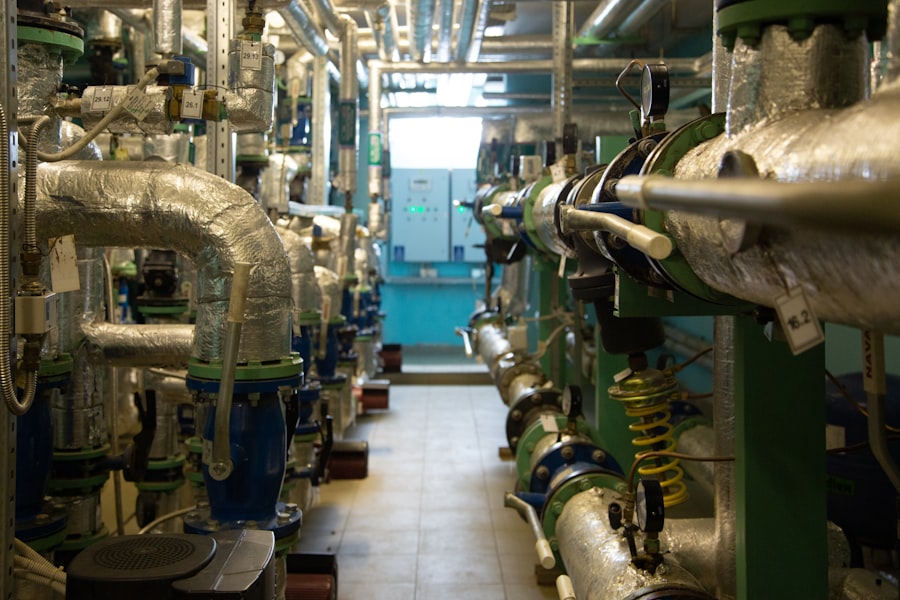
Smart air filtration systems offer several advantages over traditional models, making them increasingly popular among consumers and businesses alike. One of the primary benefits is their ability to provide real-time monitoring and feedback on indoor air quality. Equipped with sensors that detect pollutants such as particulate matter, VOCs, and carbon dioxide, these systems can inform users about the current state of their indoor environment. This data-driven approach enables individuals to take proactive measures to improve air quality, such as increasing ventilation or adjusting the filtration settings.
Another significant advantage is energy efficiency. Smart air filtration systems can optimize their operation based on real-time data, ensuring they run only when necessary. This not only reduces energy consumption but also extends the lifespan of the filters, leading to lower maintenance costs over time. Additionally, many smart systems come with features such as scheduling and automation, allowing users to set specific times for operation or integrate the system with other smart home devices for seamless management. These features contribute to a more convenient and cost-effective solution for maintaining healthy indoor air quality.
How Smart Air Filtration Systems Work
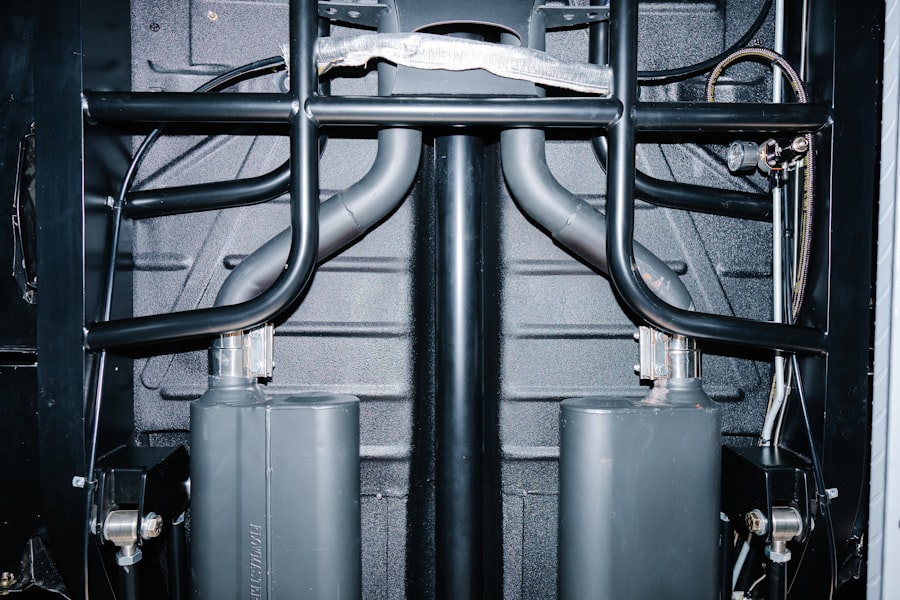
Smart air filtration systems operate through a combination of advanced filtering technologies and intelligent monitoring capabilities. At their core, these systems typically utilize multiple stages of filtration to capture a wide range of airborne contaminants. The first stage often involves a pre-filter that captures larger particles such as dust and pet hair. Following this, a HEPA filter is commonly employed to trap smaller particles, including allergens and bacteria. Some systems may also include activated carbon filters to adsorb odors and chemical pollutants.
The smart functionality of these systems is enabled by integrated sensors that continuously monitor indoor air quality parameters. These sensors detect changes in pollutant levels and communicate this information to the system’s control unit. Based on the data received, the system can adjust its fan speed or filtration settings accordingly. For instance, if elevated levels of particulate matter are detected, the system may increase its airflow to enhance filtration efficiency. Additionally, many smart air purifiers are equipped with Wi-Fi connectivity, allowing users to access real-time data and control settings remotely via mobile applications.
As the demand for cleaner indoor air continues to rise, the integration of technology into air filtration systems is becoming increasingly prevalent. These advanced systems not only filter out pollutants but also utilize smart technology to monitor air quality in real-time. For those interested in exploring how technology enhances everyday devices, a related article discusses the best tablets for everyday use, which can complement smart home systems by providing seamless control and monitoring. You can read more about it in this insightful piece on tablets.
The Integration of Smart Air Filtration Systems
| Metric | Description | Example Data | Impact on Air Filtration |
|---|---|---|---|
| Sensor Integration | Number of sensors embedded in filtration units (e.g., particulate, VOC, CO2 sensors) | 5-10 sensors per unit | Enables real-time air quality monitoring and adaptive filtration |
| AI & Machine Learning Algorithms | Use of AI to predict pollution levels and optimize filter usage | Accuracy improvement by 20-30% | Enhances efficiency and extends filter life |
| Connectivity | Smart air filters connected via Wi-Fi or IoT platforms | 99% uptime with cloud connectivity | Allows remote monitoring and control via mobile apps |
| Energy Efficiency | Reduction in power consumption through smart operation | Up to 25% energy savings | Reduces operational costs and environmental impact |
| Filter Life Monitoring | Real-time tracking of filter usage and replacement alerts | Accuracy within 95% | Prevents filter degradation and maintains air quality |
| User Interface | Mobile app and voice assistant integration for user control | Supports iOS, Android, Alexa, Google Assistant | Improves user experience and accessibility |
The integration of smart air filtration systems into homes and commercial spaces has become increasingly seamless due to advancements in technology and design. Many modern HVAC (heating, ventilation, and air conditioning) systems now incorporate smart air filtration as a standard feature. This integration allows for centralized control over indoor air quality while optimizing energy use across the entire system. By combining heating and cooling functions with advanced filtration capabilities, these systems can provide comprehensive solutions for maintaining a healthy indoor environment.
In addition to HVAC integration, smart air filtration systems can also work in conjunction with other smart home devices. For example, they can be linked with smart thermostats or environmental sensors that monitor humidity levels and temperature. This interconnectedness allows for more efficient management of indoor conditions, as adjustments can be made automatically based on real-time data from various sources. Furthermore, voice-activated assistants can facilitate hands-free control over air filtration settings, enhancing user convenience and accessibility.
As the demand for cleaner indoor air continues to rise, the integration of smart technology into advanced air filtration systems is becoming increasingly important. These systems not only improve air quality but also offer features that allow users to monitor and control their environment remotely. For those interested in the latest trends in consumer technology, an insightful article can be found at CNET, which highlights how innovations in various tech sectors are shaping our daily lives, including advancements in air filtration.
The Impact of Smart Air Filtration on Indoor Air Quality
The implementation of smart air filtration systems has a notable impact on indoor air quality (IAQ). By effectively removing pollutants from the air, these systems contribute to healthier living environments. Research has shown that improved IAQ is associated with various health benefits, including reduced respiratory issues, fewer allergies, and enhanced overall well-being. Smart air purifiers play a critical role in this by continuously monitoring and adjusting their operation based on real-time conditions.
Moreover, the ability to track and analyze air quality data over time allows users to identify patterns and potential sources of pollution within their spaces. For instance, if elevated levels of certain pollutants are consistently detected during specific activities—such as cooking or using certain cleaning products—users can take targeted actions to mitigate these issues. This proactive approach not only enhances individual health but also contributes to broader public health efforts by reducing exposure to harmful airborne contaminants.
Future Trends in Smart Air Filtration Technology
As technology continues to advance, several trends are emerging in the field of smart air filtration systems. One notable trend is the increasing use of artificial intelligence (AI) in optimizing filtration processes. AI algorithms can analyze vast amounts of data from sensors to predict pollution patterns and adjust system operations accordingly. This predictive capability could lead to even greater efficiency in maintaining optimal indoor air quality while minimizing energy consumption.
Another trend is the development of more sustainable materials for filters and components.
As environmental concerns grow, manufacturers are exploring biodegradable or recyclable materials that reduce waste associated with traditional filters.
Additionally, innovations in nanotechnology may lead to the creation of filters capable of capturing even smaller particles than current HEPA standards allow. These advancements could significantly enhance the effectiveness of air filtration systems in combating emerging pollutants.
Considerations for Choosing a Smart Air Filtration System
When selecting a smart air filtration system, several factors should be taken into account to ensure it meets individual needs effectively. First and foremost is the size of the space where the system will be used; different models are designed for varying room sizes, so it is essential to choose one that can adequately cover the intended area. Additionally, understanding the specific pollutants present in one’s environment can guide users toward selecting a system with appropriate filtering capabilities.
Another important consideration is maintenance requirements. While many smart air purifiers offer features that extend filter life and simplify maintenance tasks, users should still be aware of how often filters need replacement and whether they are easily accessible for cleaning or changing. Finally, evaluating connectivity options and compatibility with existing smart home ecosystems can enhance user experience by allowing for seamless integration into daily routines. By carefully considering these factors, individuals can select a smart air filtration system that effectively improves their indoor air quality while fitting their lifestyle needs.
FAQs
What are advanced air filtration systems?
Advanced air filtration systems are devices designed to remove contaminants, pollutants, and allergens from the air using sophisticated technologies such as HEPA filters, activated carbon, UV light, and electrostatic precipitation.
How are air filtration systems becoming smart?
Air filtration systems are becoming smart by integrating sensors, Wi-Fi connectivity, and AI algorithms that allow them to monitor air quality in real-time, adjust filtration levels automatically, and provide users with data and control through mobile apps.
What benefits do smart air filtration systems offer over traditional ones?
Smart air filtration systems offer benefits such as improved efficiency through automatic adjustments, remote monitoring and control, real-time air quality feedback, energy savings, and predictive maintenance alerts.
Can smart air filtration systems improve indoor air quality significantly?
Yes, smart air filtration systems can significantly improve indoor air quality by continuously monitoring pollutant levels and optimizing filtration performance to reduce airborne particles, allergens, and harmful gases effectively.
Are smart air filtration systems suitable for all environments?
Smart air filtration systems are suitable for a variety of environments including homes, offices, hospitals, and industrial settings, but the specific system should be chosen based on the size of the space, types of pollutants present, and user needs.