

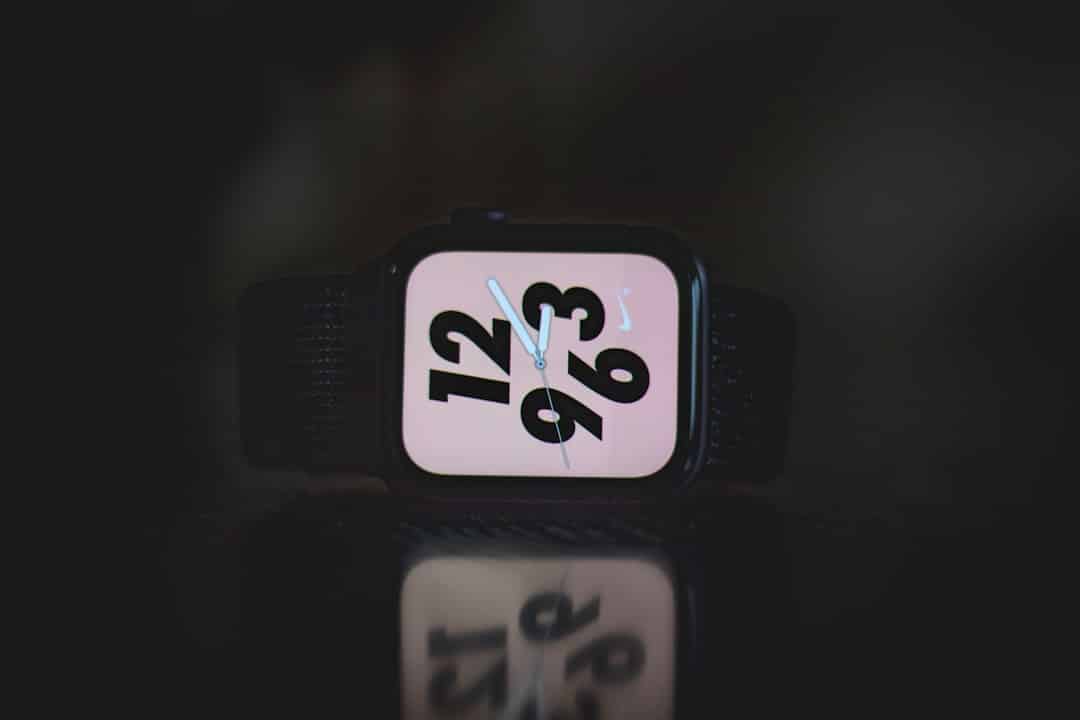
Sleep apnea is a common sleep disorder characterized by repeated interruptions in breathing during sleep. These interruptions can last from seconds to minutes and may occur multiple times throughout the night, resulting in fragmented sleep and decreased blood oxygen levels. Obstructive sleep apnea (OSA) is the most prevalent form, occurring when throat muscles excessively relax during sleep and block the airway.
Central sleep apnea is less common and happens when the brain fails to transmit proper signals to breathing muscles. Complex sleep apnea syndrome, also called treatment-emergent central sleep apnea, combines both obstructive and central sleep apnea. Untreated sleep apnea can have serious health consequences beyond reducing quality of life.
Sufferers typically experience excessive daytime sleepiness, irritability, and concentration difficulties. Long-term effects include cardiovascular problems such as hypertension and heart disease, along with elevated risks of stroke and diabetes. Early detection and effective management are essential due to these significant health impacts.
While traditional diagnostic methods like polysomnography in sleep laboratories are effective, their expense and inconvenience have prompted interest in alternative detection and monitoring approaches.
Key Takeaways
- Wearable devices are increasingly used to detect sleep apnea by monitoring sleep patterns and physiological signals.
- Various types of wearables, including wristbands, smartwatches, and specialized sensors, offer different methods for sleep apnea detection.
- While wearables provide convenient and non-invasive monitoring, their accuracy and reliability can vary compared to clinical sleep studies.
- Challenges such as data quality, user compliance, and device limitations affect the effectiveness of wearables in diagnosing sleep apnea.
- Future innovations aim to improve wearable technology, potentially transforming sleep apnea diagnosis and enabling earlier, more accessible treatment.
The Role of Wearables in Sleep Apnea Detection
Wearable technology has emerged as a promising tool for the detection and management of sleep apnea. These devices, which can be worn on the wrist, finger, or even as headbands, leverage various sensors to monitor physiological parameters during sleep. By tracking metrics such as heart rate, oxygen saturation, and movement patterns, wearables can provide valuable insights into an individual’s sleep quality and potential breathing irregularities.
The convenience of wearables allows for continuous monitoring in a familiar environment, which can lead to more accurate data collection compared to traditional methods. The integration of artificial intelligence (AI) and machine learning algorithms into wearable technology has further enhanced its capabilities. These advanced systems can analyze vast amounts of data collected from users to identify patterns indicative of sleep apnea.
For instance, some wearables can detect changes in heart rate variability or oxygen levels that may signal an apneic event. This real-time analysis not only aids in early detection but also empowers users to take proactive steps toward managing their condition. As awareness of sleep apnea grows, wearables are becoming an essential component in the toolkit for both patients and healthcare providers.
Types of Wearables for Sleep Apnea Detection

A variety of wearable devices are available on the market, each designed with specific features to aid in the detection of sleep apnea. One common type is the wrist-worn fitness tracker, which typically includes sensors for monitoring heart rate and movement. While these devices may not provide comprehensive data on breathing patterns, they can still offer insights into sleep quality and duration.
Some advanced models are equipped with SpO2 sensors that measure blood oxygen levels, which can be particularly useful for identifying potential apneic events. Another category includes dedicated sleep tracking devices that are worn on the head or placed under the pillow. These devices often utilize a combination of accelerometers and respiratory sensors to monitor breathing patterns more closely.
For example, headband-style wearables can track brain activity alongside respiratory metrics, providing a more holistic view of sleep quality. Additionally, some companies have developed smart mattresses or mattress pads that incorporate sensors to monitor breathing and movement without requiring users to wear anything at all. This innovation allows for a non-intrusive approach to sleep monitoring while still delivering valuable data.
Accuracy and Reliability of Wearables in Sleep Apnea Detection
The accuracy and reliability of wearables in detecting sleep apnea have been subjects of extensive research and debate. While many wearables claim to provide insights into sleep quality and potential apneic events, their performance can vary significantly based on the technology used and the specific algorithms employed for data analysis.
For instance, a study published in the journal “Chest” found that certain wrist-worn devices could accurately detect obstructive sleep apnea with a sensitivity of around 80%. However, this means that there is still a significant percentage of cases that may go undetected. Moreover, factors such as user compliance—how consistently individuals wear the device—and environmental conditions can also influence the reliability of data collected by wearables.
As technology continues to evolve, manufacturers are working to improve the precision of their devices through enhanced sensors and more sophisticated algorithms.
Challenges and Limitations of Wearables in Sleep Apnea Detection
| Metric | Description | Typical Range/Value | Relevance to Sleep Apnea Detection |
|---|---|---|---|
| Oxygen Saturation (SpO2) | Percentage of oxygen in the blood | 95% – 100% | Low SpO2 levels during sleep can indicate apnea events |
| Heart Rate Variability (HRV) | Variation in time intervals between heartbeats | 20 – 200 ms (varies by individual) | Changes in HRV can signal autonomic nervous system disturbances during apnea |
| Respiratory Rate | Number of breaths per minute | 12 – 20 breaths/min (normal adult) | Irregular or paused breathing patterns are key indicators of apnea |
| Snoring Intensity | Sound level of snoring measured in decibels | 30 – 90 dB | Increased snoring intensity often correlates with obstructive sleep apnea |
| Sleep Stages Detection | Classification of sleep into REM, light, and deep stages | Varies per individual and night | Apnea events often disrupt normal sleep architecture |
| Apnea-Hypopnea Index (AHI) Estimation | Number of apnea and hypopnea events per hour of sleep | Normal: <5; Mild: 5-15; Moderate: 15-30; Severe: >30 | Primary clinical metric for diagnosing sleep apnea severity |
Despite their potential benefits, wearables face several challenges and limitations when it comes to detecting sleep apnea effectively. One major concern is the variability in individual physiology; factors such as body position during sleep, age, weight, and existing health conditions can all affect how accurately a wearable device detects apneic events. For example, some wearables may struggle to differentiate between normal variations in breathing patterns and actual apneas, leading to false positives or negatives.
Another limitation is related to data interpretation. While wearables can collect vast amounts of data, translating this information into actionable insights requires sophisticated algorithms that are not universally available across all devices. Additionally, many users may lack the knowledge or training necessary to interpret their data correctly or understand its implications for their health.
This gap in understanding can lead to misinterpretation of results and potentially delay necessary medical intervention. Furthermore, privacy concerns regarding data security and sharing also pose challenges for widespread adoption.
Future Developments and Innovations in Wearables for Sleep Apnea Detection

The future of wearables in sleep apnea detection is promising, with ongoing advancements in technology poised to enhance their effectiveness significantly. One area of innovation is the development of more sophisticated sensors capable of capturing a broader range of physiological signals.
This could lead to better identification of apneic events by providing a clearer picture of cardiovascular responses during episodes. Moreover, advancements in artificial intelligence are expected to play a crucial role in refining data analysis techniques used by wearables. Machine learning algorithms can be trained on large datasets to recognize patterns associated with sleep apnea more accurately than traditional methods.
This could result in more personalized insights for users based on their unique physiological profiles. Additionally, integration with telehealth platforms may allow healthcare providers to monitor patients remotely and intervene more quickly when concerning trends are detected.
The Potential Impact of Wearables on Sleep Apnea Diagnosis and Treatment
The integration of wearables into the diagnosis and treatment landscape for sleep apnea has the potential to revolutionize patient care significantly. By facilitating early detection through continuous monitoring, wearables can help identify individuals at risk before they develop severe complications associated with untreated sleep apnea. This proactive approach could lead to earlier interventions, such as lifestyle modifications or medical treatments tailored to individual needs.
Furthermore, wearables can empower patients by providing them with real-time feedback about their sleep patterns and overall health. This information can motivate individuals to adopt healthier habits or adhere more closely to prescribed treatments like continuous positive airway pressure (CPAP) therapy. The ability to track progress over time can enhance patient engagement and adherence to treatment plans, ultimately improving outcomes for those living with sleep apnea.
Conclusion and Recommendations for Using Wearables in Sleep Apnea Detection
As wearable technology continues to evolve, it is essential for users to approach these devices with informed expectations regarding their capabilities in detecting sleep apnea. While wearables offer valuable insights into sleep patterns and potential breathing irregularities, they should not be viewed as replacements for professional medical evaluations or traditional diagnostic methods like polysomnography. Individuals experiencing symptoms associated with sleep apnea should consult healthcare professionals for comprehensive assessments.
For those considering using wearables as part of their health management strategy, it is advisable to choose devices that have been validated through clinical studies for accuracy in detecting sleep apnea-related events. Additionally, users should remain engaged with their healthcare providers to interpret data effectively and make informed decisions about their health based on wearable feedback. As technology advances and our understanding of sleep disorders deepens, wearables will likely play an increasingly vital role in enhancing both diagnosis and treatment options for individuals affected by sleep apnea.
In addition to exploring the use of wearables in sleep apnea detection, it’s interesting to consider how technology impacts our daily lives in various ways. For instance, the article on
, the gold standard sleep study conducted in a clinical setting. However, wearables can be effective for preliminary screening and ongoing monitoring.</p>
<h3>What types of wearables are commonly used for sleep apnea detection?</h3>
<p>Common wearables include smartwatches, fitness trackers, and specialized sleep monitors that incorporate sensors like pulse oximeters and accelerometers to track sleep-related physiological data.</p>
<h3>Can wearables diagnose sleep apnea on their own?</h3>
<p>Wearables cannot definitively diagnose sleep apnea but can indicate the likelihood of the condition. A formal diagnosis typically requires a clinical sleep study and evaluation by a healthcare professional.</p>
<h3>What are the benefits of using wearables for sleep apnea detection?</h3>
<p>Benefits include convenience, the ability to monitor sleep over multiple nights in a natural environment, early detection of potential sleep disorders, and facilitating timely medical consultation.</p>
<h3>Are there any limitations to using wearables for sleep apnea detection?</h3>
<p>Limitations include potential inaccuracies due to sensor placement or movement, limited data compared to full sleep studies, and the inability to detect all types of sleep apnea or related sleep disorders.</p>
<h3>Is the data from wearables secure and private?</h3>
<p>Data security and privacy depend on the device manufacturer and software used. Users should review privacy policies and ensure devices comply with relevant data protection standards.</p>
<h3>Can wearables be used to monitor treatment effectiveness for sleep apnea?</h3>
<p>Yes, wearables can track changes in sleep patterns and physiological parameters over time, helping to assess the effectiveness of treatments like CPAP therapy or lifestyle changes.</p>
<h3>Are wearables suitable for all age groups in sleep apnea detection?</h3>
<p>Wearables can be used across various age groups, but device suitability and accuracy may vary. It is important to consult healthcare providers to determine the best approach for individual cases.</p>
<div class="clear"></div> </div>
<footer class="entry-meta">
<div class="entry-tax"><span>Tags: No tags</span></div>
<div class="aux-single-post-share">
<div class="aux-tooltip-socials aux-tooltip-dark aux-socials aux-icon-left aux-medium aux-tooltip-social-no-text" >
<span class="aux-icon auxicon-share" ></span>
</div>
</div>
</footer>
</div>
<nav class="aux-next-prev-posts nav-skin-thumb-arrow">
<section class="np-prev-section has-nav-thumb" >
<a href="https://enicomp.com/what-is-the-difference-between-an-apt-and-a-common-cyber-attack/">
<div class="np-arrow">
<div class="aux-hover-slide aux-arrow-nav aux-outline">
<span class="aux-svg-arrow aux-medium-left"></span>
<span class="aux-hover-arrow aux-svg-arrow aux-medium-left"></span>
</div>
<img width="80" height="80" src="https://enicomp.com/wp-content/uploads/2025/12/image-785-80x80.jpg" class="auxin-attachment auxin-featured-image attachment-80x80" alt="Photo APT" /> </div>
<p class="np-nav-text">Previous Post</p>
<h4 class="np-title">What is the Difference Between an APT and a Common Cyber Attack?</h4>
</a>
</section>
<section class="np-next-section has-nav-thumb" >
<a href="https://enicomp.com/exploring-the-role-of-ai-in-personalized-learning-experiences/">
<div class="np-arrow">
<div class="aux-arrow-nav aux-hover-slide aux-outline">
<span class="aux-svg-arrow aux-medium-right"></span>
<span class="aux-hover-arrow aux-svg-arrow aux-medium-right"></span>
</div>
<img width="80" height="80" src="https://enicomp.com/wp-content/uploads/2025/12/image-789-80x80.jpg" class="auxin-attachment auxin-featured-image attachment-80x80" alt="Photo Learning" /> </div>
<p class="np-nav-text">Next Post</p>
<h4 class="np-title">Exploring the Role of AI in Personalized Learning Experiences</h4>
</a>
</section>
</nav>
</article>
</div><!-- end content -->
</div><!-- end primary -->
<aside class="aux-sidebar aux-sidebar-primary">
<div class="sidebar-inner">
<div class="sidebar-content">
<div class="aux-widget-area"><section id="block-4" class=" aux-open widget-container widget_block">
<h2 class="wp-block-heading">POPULAR</h2>
</section><section id="block-33" class=" aux-open widget-container widget_block">
<h2 class="wp-block-heading">CATEGORIES</h2>
</section><section id="categories-3" class=" aux-open widget-container widget_categories"><h3 class="widget-title">Categories</h3>
<ul>
<li class="cat-item cat-item-162"><a href="https://enicomp.com/category/5g-wireless-communication-technologies/">5G, Wireless & Communication Technologies</a> (178)
<ul class=)