


Augmented Reality (AR) represents a significant technological advancement that overlays digital information onto real-world environments, enabling enhanced visualization and interpretation of geological data. In geological survey and mapping applications, AR technology allows geologists and surveyors to access and manipulate complex datasets in real-time field conditions. This capability provides immediate visualization of geological formations, mineral distributions, and environmental parameters directly within the physical landscape being studied.
The implementation of AR systems in geological workflows has demonstrated measurable improvements in data collection efficiency and analytical accuracy. Traditional geological survey methods typically utilize static cartographic representations and two-dimensional data displays, which present limitations when interpreting three-dimensional geological structures and subsurface features. AR technology addresses these constraints by enabling interactive visualization of geological data within spatial contexts.
Current AR applications in geoscience include real-time display of borehole data, geological cross-sections, geophysical survey results, and predictive geological models overlaid onto field locations.
Key Takeaways
- AR enhances accuracy and efficiency in geological survey and mapping by overlaying digital data onto real-world terrains.
- Key applications include real-time data visualization, remote collaboration, and improved field data collection.
- Challenges involve technical limitations, high costs, and the need for specialized training.
- Successful case studies demonstrate AR’s potential to streamline workflows and improve decision-making in geological projects.
- Future trends point to increased integration of AI, improved hardware, and greater emphasis on ethical and environmental impacts.
Advantages of Using AR in Geological Survey and Mapping
One of the primary advantages of using AR in geological survey and mapping is the enhanced visualization it offers. By superimposing digital models onto real-world environments, geologists can gain insights into the spatial relationships between different geological features. For instance, when conducting field surveys, AR can display subsurface geology, such as fault lines or mineral deposits, directly on-site.
This immediate access to critical information allows for more informed decision-making during fieldwork, reducing the likelihood of errors that can arise from misinterpretation of data. Moreover, AR facilitates collaborative efforts among geologists, engineers, and other stakeholders involved in geological projects. With AR applications, multiple users can view the same augmented environment simultaneously, regardless of their physical location.
This capability is particularly beneficial for remote teams working on large-scale projects, as it enables real-time discussions and data sharing.
Applications of AR in Geological Survey and Mapping
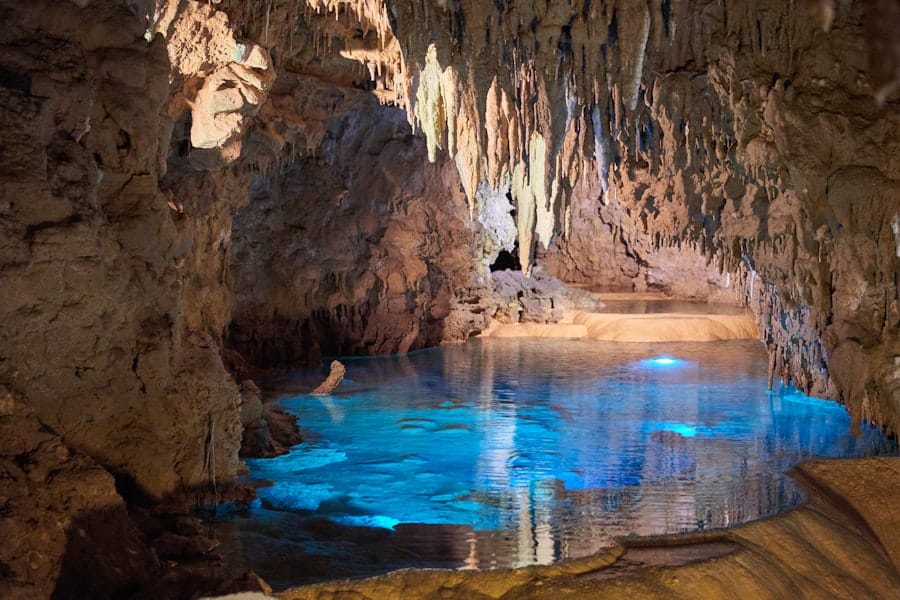
The applications of AR in geological survey and mapping are diverse and impactful. One prominent use case is in mineral exploration, where AR can assist geologists in identifying potential mining sites. By overlaying geological maps with real-time data from sensors or drones, geologists can visualize mineral deposits more effectively.
This integration allows for a more targeted approach to exploration, reducing costs associated with drilling and sampling by focusing efforts on areas with the highest potential yield. Another significant application is in environmental monitoring and assessment. AR can be employed to visualize changes in land use, erosion patterns, or the impact of natural disasters on geological formations.
For example, during a landslide assessment, AR can provide a visual representation of the affected area, highlighting critical features such as soil composition and slope stability. This information is invaluable for emergency response teams and urban planners who need to make quick decisions based on accurate geological data.
Challenges and Limitations of AR in Geological Survey and Mapping
Despite its numerous advantages, the implementation of AR in geological survey and mapping is not without challenges. One major limitation is the reliance on high-quality data inputs. For AR applications to function effectively, they require accurate geological models and real-time data from various sources, such as GPS systems or geological sensors.
In regions where data collection is sparse or unreliable, the effectiveness of AR can be significantly diminished. Additionally, discrepancies between digital models and actual geological conditions can lead to misinterpretations that may compromise project outcomes. Another challenge lies in the technological infrastructure required to support AR applications.
Many field sites may lack adequate internet connectivity or access to advanced hardware capable of running sophisticated AR software. This limitation can hinder the widespread adoption of AR technologies in remote or underdeveloped areas where geological surveys are often conducted. Furthermore, training personnel to effectively use AR tools presents an additional hurdle; without proper training, users may struggle to leverage the full potential of these technologies.
Case Studies of Successful AR Implementation in Geological Survey and Mapping
| Metric | Description | Value / Data | Unit |
|---|---|---|---|
| Accuracy Improvement | Increase in mapping accuracy using AR compared to traditional methods | 15-25% | Percentage |
| Survey Time Reduction | Reduction in time required to complete geological surveys with AR assistance | 30-40% | Percentage |
| Data Integration | Number of data layers integrated in AR geological maps (e.g., soil type, mineral deposits) | 5-8 | Layers |
| Field Device Battery Life | Average operational time of AR devices used in geological surveys | 6-8 | Hours |
| User Adoption Rate | Percentage of geologists adopting AR technology in fieldwork | 35% | Percentage |
| Cost Savings | Reduction in operational costs due to AR implementation in surveys | 20-30% | Percentage |
| Training Time | Average time required to train geologists on AR tools | 2-3 | Days |
| Mapping Resolution | Resolution of geological maps produced with AR support | 1-5 | Centimeters |
Several case studies illustrate the successful implementation of AR in geological survey and mapping, showcasing its potential benefits across various contexts. One notable example is the use of AR by mining companies for exploration purposes. A leading mining firm utilized AR technology to visualize subsurface geology during exploration activities in a remote region.
By integrating geological models with real-time data from drones equipped with LiDAR sensors, the company was able to identify promising mineral deposits more efficiently than traditional methods allowed. This approach not only reduced exploration costs but also minimized environmental impact by limiting unnecessary drilling activities. Another compelling case study involves the application of AR in urban planning and infrastructure development.
In a metropolitan area prone to flooding, city planners employed AR tools to assess the geological stability of proposed construction sites. By overlaying geological maps with 3D models of existing infrastructure, planners could visualize potential risks associated with soil erosion and groundwater levels. This proactive approach enabled them to make informed decisions about site selection and design modifications, ultimately leading to safer urban development practices.
Future Trends and Developments in AR for Geological Survey and Mapping
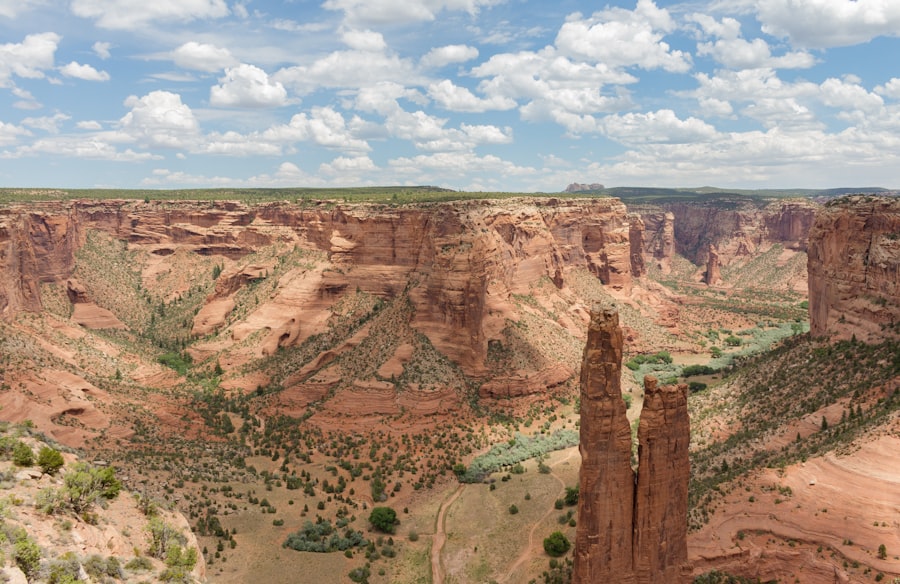
As technology continues to advance, the future of AR in geological survey and mapping looks promising. One emerging trend is the integration of artificial intelligence (AI) with AR applications. AI algorithms can analyze vast amounts of geological data to identify patterns and anomalies that may not be immediately apparent to human observers.
When combined with AR visualization tools, this synergy could enhance decision-making processes by providing geologists with predictive insights based on historical data trends. Additionally, advancements in mobile technology are likely to play a significant role in expanding the accessibility of AR tools for fieldwork. As smartphones and tablets become increasingly powerful, they will enable geologists to utilize sophisticated AR applications without the need for specialized equipment.
This democratization of technology could lead to broader adoption among professionals at all levels, fostering innovation within the field of geology.
Ethical and Environmental Considerations in the Use of AR for Geological Survey and Mapping
The implementation of AR in geological survey and mapping raises important ethical and environmental considerations that must be addressed. One key concern is the potential for over-reliance on technology at the expense of traditional fieldwork skills. While AR can enhance data visualization and interpretation, it is crucial for geologists to maintain a strong foundation in fundamental geological principles.
Balancing technological advancements with hands-on experience ensures that professionals remain adept at critical thinking and problem-solving in complex geological scenarios. Environmental considerations also play a vital role in the deployment of AR technologies. The use of drones for data collection in remote areas can have ecological impacts if not managed responsibly.
It is essential for geologists to adhere to best practices that minimize disturbances to local ecosystems while utilizing AR tools for exploration or monitoring purposes. Additionally, transparency regarding data collection methods and their implications for land use is crucial for maintaining public trust and ensuring ethical practices within the field.
Conclusion and Recommendations for Implementing AR in Geological Survey and Mapping
The integration of augmented reality into geological survey and mapping represents a significant advancement that has the potential to reshape how geoscientists approach their work. To maximize the benefits of this technology while addressing its challenges, several recommendations can be made for effective implementation. First, investing in high-quality data collection methods is essential; accurate geological models are foundational for successful AR applications.
Furthermore, training programs should be developed to equip geologists with the skills necessary to utilize AR tools effectively. These programs should emphasize not only technical proficiency but also critical thinking skills that allow professionals to interpret augmented data within the context of real-world geological conditions. Finally, fostering collaboration among stakeholders—including government agencies, academic institutions, and industry partners—can facilitate knowledge sharing and drive innovation within the field.
By embracing these recommendations, the geological community can harness the full potential of augmented reality technologies while ensuring responsible practices that benefit both professionals and the environment alike.
In addition to exploring the use of augmented reality (AR) in geological survey and mapping, you may find it interesting to read about the latest trends in professional networking platforms. The article on top trends on LinkedIn in 2023 discusses how technology is shaping the way professionals connect and share information, which can also be relevant for geologists looking to collaborate and share their findings in innovative ways.
FAQs
What is Augmented Reality (AR) in the context of geological survey and mapping?
Augmented Reality (AR) refers to technology that overlays digital information, such as 3D models, maps, and data, onto the real-world environment. In geological survey and mapping, AR helps geologists visualize subsurface structures, rock formations, and survey data directly in the field.
How is AR used in geological surveys?
AR is used to enhance fieldwork by providing geologists with interactive, real-time data visualization. It allows users to view geological layers, fault lines, and mineral deposits overlaid on the actual terrain, improving accuracy and efficiency in data collection and interpretation.
What are the benefits of using AR in geological mapping?
Benefits include improved spatial understanding, faster data analysis, enhanced collaboration among teams, reduced need for physical samples, and the ability to simulate geological scenarios. AR also helps in training and education by providing immersive learning experiences.
What equipment is typically required for AR in geological surveys?
Common equipment includes AR-enabled devices such as smartphones, tablets, and specialized AR headsets or smart glasses. These devices use GPS, cameras, and sensors to accurately overlay geological data onto the physical environment.
Can AR technology improve safety during geological fieldwork?
Yes, AR can improve safety by providing real-time hazard warnings, guiding geologists away from dangerous areas, and reducing the need for physical interaction with unstable terrain or hazardous materials.
Are there any limitations to using AR in geological surveys?
Limitations include dependency on device battery life, potential inaccuracies due to GPS or sensor errors, the need for high-quality data inputs, and challenges in rugged or remote environments where connectivity may be limited.
How does AR integrate with other geological survey technologies?
AR often integrates with Geographic Information Systems (GIS), remote sensing data, 3D modeling software, and drone imagery to provide comprehensive and interactive geological maps and analyses.
Is AR technology cost-effective for geological survey applications?
While initial setup costs for AR technology can be high, the long-term benefits such as increased efficiency, reduced field time, and improved data accuracy can make it cost-effective for many geological survey projects.
What future developments are expected in AR for geological surveys?
Future developments may include more advanced AR hardware with better battery life and resolution, improved data integration capabilities, AI-driven analysis, and greater accessibility for field geologists through user-friendly applications.