

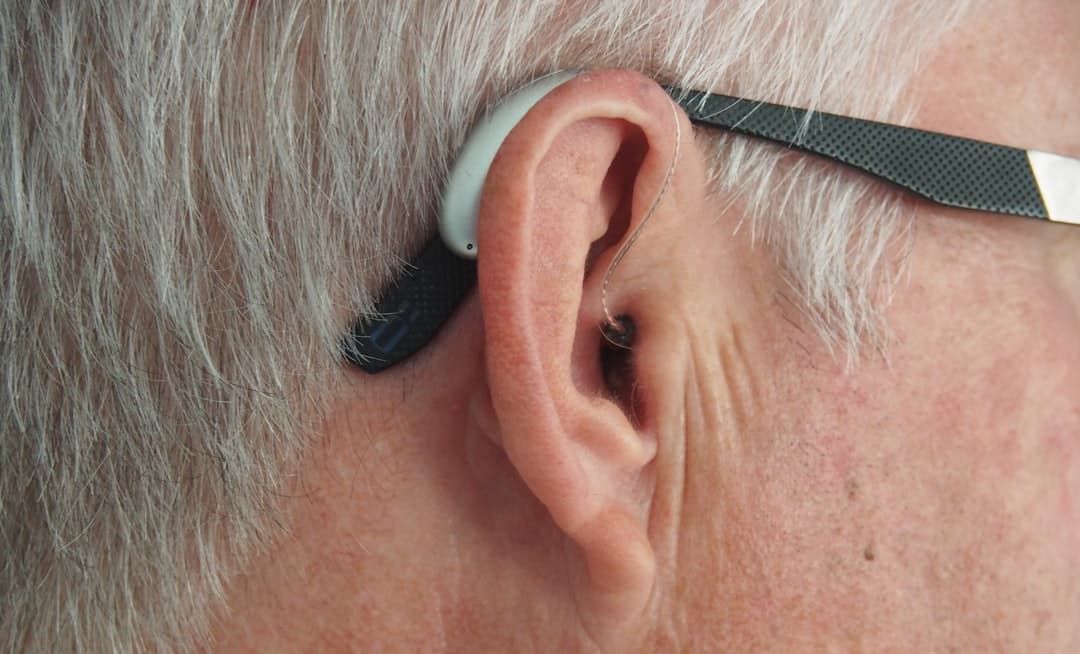
Wearable technology has transformed multiple industries, including healthcare, where it plays an increasingly important role in elderly care monitoring. These devices, designed as watches, bands, or integrated into clothing, contain sensors that measure various health parameters including heart rate, physical activity levels, sleep quality, and medication compliance. The collected data provides real-time health information to caregivers and medical professionals, supporting more effective patient management.
The aging global population has created greater demand for innovative monitoring solutions in elderly care. Wearable devices address this need by enabling continuous health surveillance while supporting seniors’ preference to remain in their homes rather than relocating to assisted living facilities.
Beyond basic health tracking, wearables serve as comprehensive monitoring tools that contribute to preventive care strategies. The continuous data collection capabilities of these devices enable early detection of health changes and support timely medical interventions. As healthcare systems adapt to serve aging populations, wearable technology represents a practical solution that combines health monitoring with independence preservation for elderly patients.
Key Takeaways
- Wearable devices offer significant benefits in monitoring the health and safety of elderly individuals.
- Various types of wearables, such as fitness trackers and medical alert systems, are used in elderly care.
- Challenges include privacy concerns, device accuracy, and user acceptance among the elderly.
- Ethical considerations focus on consent, data security, and the balance between monitoring and independence.
- Future innovations promise enhanced features and greater integration to further improve elderly care outcomes.
The Benefits of Wearables for Elderly Care
Wearable devices offer a plethora of benefits that significantly enhance elderly care. One of the most notable advantages is the ability to monitor vital signs continuously. For instance, devices like smartwatches can track heart rate variability, blood pressure, and even oxygen saturation levels.
This continuous monitoring allows for early detection of potential health issues, enabling timely interventions that can prevent serious complications. For example, if a wearable device detects an irregular heartbeat, it can alert both the user and their healthcare provider, facilitating immediate medical attention. In addition to health monitoring, wearables also promote physical activity among seniors.
Many devices come equipped with step counters and activity trackers that encourage users to maintain an active lifestyle. Regular physical activity is crucial for maintaining mobility and overall health in older adults. By gamifying exercise through challenges and rewards, wearables can motivate seniors to engage in daily physical activities, thereby improving their physical fitness and mental well-being.
Types of Wearables Used in Elderly Care Monitoring
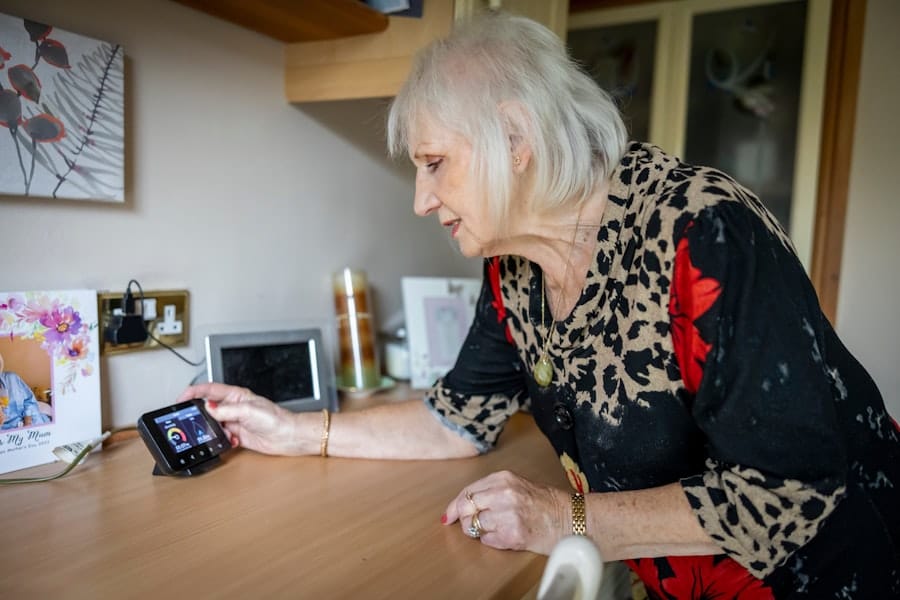
The landscape of wearable technology is diverse, with various types of devices tailored to meet the specific needs of elderly care monitoring. Smartwatches are among the most popular options, offering a range of features from heart rate monitoring to GPS tracking. These devices not only provide health data but also facilitate communication through calls and messages, making them an excellent choice for seniors who may need assistance or companionship.
Another category of wearables includes fitness trackers, which focus primarily on physical activity and sleep patterns. Devices like Fitbit or Garmin are designed to encourage movement and track daily steps, calories burned, and sleep quality. These trackers often come with mobile applications that allow users to visualize their progress over time, fostering a sense of achievement and motivation.
Moreover, specialized medical wearables have emerged that cater specifically to chronic conditions prevalent among the elderly. For instance, continuous glucose monitors (CGMs) are invaluable for seniors with diabetes, providing real-time glucose readings and alerts for abnormal levels. Similarly, fall detection devices have gained traction; these wearables can automatically alert caregivers or emergency services if a fall is detected, ensuring prompt assistance when needed.
Challenges and Limitations of Wearables in Elderly Care
Despite the numerous advantages that wearables offer in elderly care monitoring, several challenges and limitations must be addressed. One significant hurdle is the digital divide that exists among older adults. Many seniors may lack familiarity with technology or have difficulty using complex devices.
This can lead to underutilization of wearable technology or frustration when attempting to navigate features. To mitigate this issue, manufacturers must prioritize user-friendly designs and provide adequate training and support for elderly users. Another challenge lies in data privacy and security concerns.
Wearable devices collect sensitive health information that could be vulnerable to breaches if not adequately protected. Seniors may be particularly concerned about how their data is used and shared, leading to reluctance in adopting these technologies. It is crucial for developers to implement robust security measures and transparent data policies to build trust among users.
Additionally, regulatory frameworks must evolve to address these concerns while ensuring that innovation in wearable technology continues unabated.
Case Studies and Success Stories of Wearables in Elderly Care
| Metric | Description | Typical Value / Range | Relevance to Elderly Care Monitoring |
|---|---|---|---|
| Heart Rate Monitoring | Measures beats per minute (BPM) to track cardiovascular health | 60-100 BPM (resting) | Detects arrhythmias, stress, and overall heart health |
| Fall Detection Accuracy | Percentage of correctly identified falls by the wearable | 85-95% | Critical for timely emergency response and injury prevention |
| Step Count | Number of steps taken daily to monitor activity levels | 3,000-7,000 steps/day (varies by individual) | Assesses mobility and encourages physical activity |
| Sleep Quality Monitoring | Tracks sleep duration and sleep stages (light, deep, REM) | 7-8 hours/night recommended | Identifies sleep disorders and overall restfulness |
| Battery Life | Duration wearable operates before recharge | 24-72 hours | Ensures continuous monitoring without frequent interruptions |
| Emergency Alert Response Time | Time taken to notify caregivers or emergency services after an alert | Less than 5 minutes | Reduces risk of complications after incidents like falls or health events |
| GPS Location Accuracy | Precision of location tracking for elderly individuals | Within 5-10 meters | Important for locating individuals who wander or get lost |
| User Compliance Rate | Percentage of time the elderly wear the device as recommended | 70-90% | Higher compliance improves data reliability and monitoring effectiveness |
Numerous case studies illustrate the successful implementation of wearables in elderly care settings, showcasing their potential to improve health outcomes and enhance quality of life. One notable example is the use of smartwatches in a senior living community in California. Residents were provided with smartwatches equipped with health monitoring features and emergency alert systems.
The results were remarkable; not only did residents report feeling more secure knowing they could easily call for help, but healthcare providers also noted a significant reduction in emergency room visits due to early detection of health issues. Another compelling case study involves a pilot program in a nursing home where residents wore fitness trackers as part of a comprehensive wellness initiative. The program aimed to increase physical activity levels among residents while simultaneously monitoring their health metrics.
Over six months, participants showed a marked improvement in mobility and overall fitness levels. Caregivers reported enhanced engagement with residents as they participated in group activities based on data from the trackers, fostering a sense of community and camaraderie.
Ethical Considerations in Using Wearables for Elderly Care Monitoring

The integration of wearables into elderly care monitoring raises several ethical considerations that must be carefully navigated. One primary concern is informed consent; seniors must fully understand how their data will be used and the implications of sharing their health information with third parties. It is essential for caregivers and healthcare providers to ensure that elderly individuals are not only informed but also comfortable with the technology being used.
Additionally, there is the issue of autonomy versus safety. While wearables can enhance safety by providing real-time monitoring and alerts, they may inadvertently infringe on an individual’s autonomy if used excessively or without consent. Striking a balance between ensuring safety and respecting personal freedom is crucial in implementing wearable technology in elderly care settings.
Caregivers must engage in open dialogues with seniors about their preferences and comfort levels regarding monitoring practices.
Future Trends and Innovations in Wearables for Elderly Care
As technology continues to advance at a rapid pace, the future of wearables in elderly care looks promising with several emerging trends on the horizon. One significant trend is the integration of artificial intelligence (AI) into wearable devices. AI algorithms can analyze vast amounts of health data collected by wearables to provide personalized insights and recommendations tailored to individual users’ needs.
This could lead to more proactive healthcare management for seniors, allowing for early interventions based on predictive analytics. Another exciting innovation is the development of smart textiles—fabrics embedded with sensors that can monitor vital signs without the need for traditional wearable devices. These textiles could be integrated into everyday clothing, making health monitoring seamless and unobtrusive for seniors who may resist wearing conventional gadgets.
Furthermore, advancements in battery technology may lead to longer-lasting devices that require less frequent charging, enhancing usability for older adults.
The Role of Wearables in Improving Elderly Care
The role of wearables in improving elderly care cannot be overstated; they represent a significant leap forward in how we approach health monitoring for seniors. By providing continuous data collection, promoting physical activity, and facilitating communication between caregivers and healthcare providers, these devices empower older adults to take control of their health while maintaining their independence. As we continue to navigate the challenges associated with technology adoption among seniors, it is imperative that we prioritize user-friendly designs, robust security measures, and ethical considerations.
The future holds immense potential for further innovations in wearable technology tailored specifically for elderly care. As we embrace these advancements, it is crucial to remain focused on enhancing the quality of life for seniors while respecting their autonomy and privacy. Ultimately, wearables are not just tools; they are enablers of a healthier, more connected lifestyle for our aging population.
In the context of enhancing elderly care monitoring through technology, the article on top trends in digital marketing for 2023 provides valuable insights into how digital tools, including wearables, are being integrated into various sectors, including healthcare. This connection highlights the growing importance of innovative solutions in improving the quality of care for the elderly.
FAQs
What are wearables in the context of elderly care monitoring?
Wearables are electronic devices worn on the body, such as smartwatches or fitness trackers, that monitor health-related data like heart rate, activity levels, and sleep patterns. In elderly care, they help track vital signs and detect emergencies.
How do wearables benefit elderly care monitoring?
Wearables provide continuous, real-time health data, enabling early detection of health issues, fall detection, medication reminders, and improved communication with caregivers, which enhances safety and independence for elderly individuals.
What types of health metrics can wearables track for elderly individuals?
Common metrics include heart rate, blood pressure, oxygen saturation, physical activity, sleep quality, and fall detection. Some advanced devices also monitor ECG, glucose levels, and medication adherence.
Are wearables easy for elderly people to use?
Many wearables are designed with user-friendly interfaces and simple controls to accommodate elderly users. However, ease of use can vary, and some may require initial training or caregiver assistance.
Can wearables detect falls in elderly patients?
Yes, many wearables include accelerometers and gyroscopes that can detect sudden movements or impacts indicative of falls and can automatically alert caregivers or emergency services.
Do wearables require internet connectivity to function?
While some basic functions can operate offline, most wearables rely on internet connectivity to transmit data to caregivers or healthcare providers for real-time monitoring and alerts.
Is the data collected by wearables secure and private?
Reputable wearable devices use encryption and comply with data protection regulations to safeguard user information. However, users should review privacy policies and choose devices from trusted manufacturers.
Can wearables replace traditional medical monitoring in elderly care?
Wearables are complementary tools that enhance monitoring but do not replace professional medical evaluations or devices. They provide additional data to support healthcare decisions.
What challenges exist in using wearables for elderly care?
Challenges include device cost, battery life, user compliance, data accuracy, privacy concerns, and the need for integration with healthcare systems.
How can caregivers benefit from wearable technology in elderly care?
Caregivers receive timely alerts about health changes or emergencies, enabling quicker responses, better care coordination, and reduced caregiver stress.