

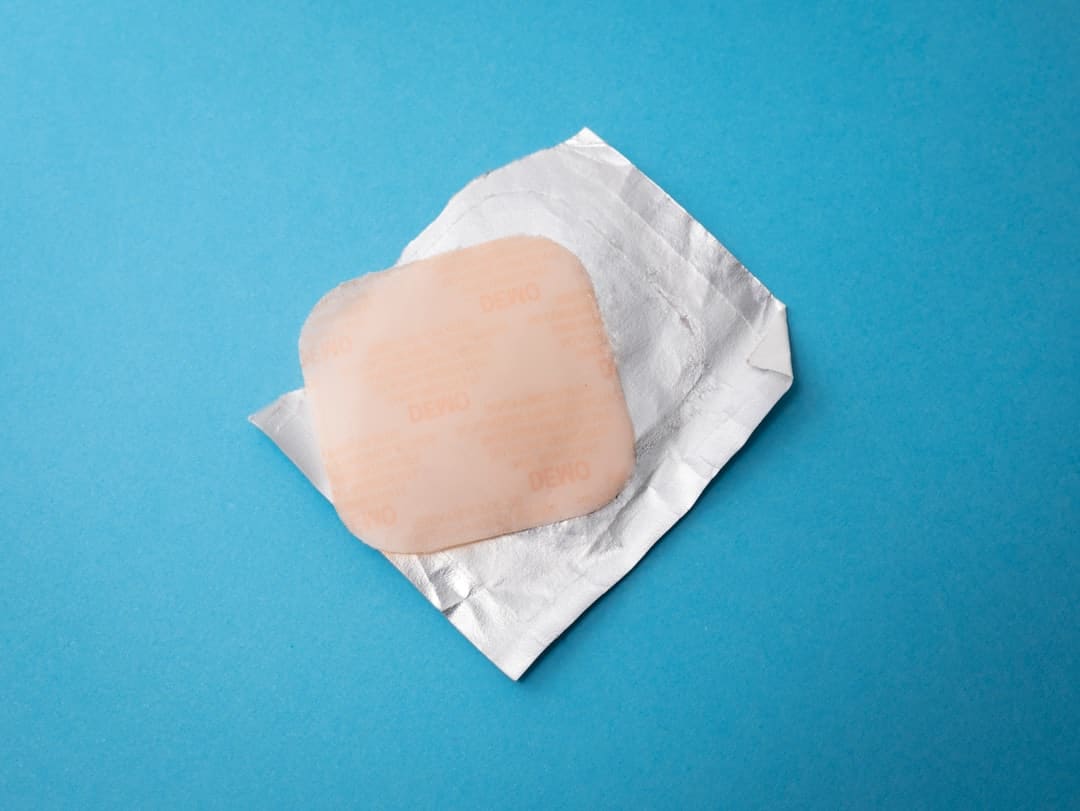
Smart patches represent a significant advancement in drug delivery systems, combining biotechnology with wearable technology. These devices administer medications transdermally, providing a non-invasive alternative to injections or oral medications. Smart patches aim to enhance patient compliance, improve therapeutic outcomes, and deliver drugs more efficiently and with better control.
They integrate microelectronics, sensors, and drug reservoirs into adhesive patches that both deliver medication and monitor physiological parameters. The development of smart patches has been propelled by growing demand for personalized healthcare solutions. As healthcare increasingly focuses on individualized treatment plans, these patches offer customizable options that address specific patient needs.
They can be programmed to release medications at scheduled intervals or in response to physiological changes, optimizing therapeutic effectiveness. This integration of technology into healthcare represents a fundamental shift in treatment approaches and patient care methodologies.
Key Takeaways
- Smart patches offer a novel, non-invasive method for controlled drug delivery through the skin.
- They utilize sensors and microtechnology to monitor and adjust medication release in real-time.
- Benefits include improved patient compliance, targeted therapy, and reduced side effects.
- Challenges involve technical limitations, skin irritation, and regulatory hurdles.
- Future innovations aim to enhance personalization and integration with digital health systems.
How Smart Patches Work in Drug Delivery
The operational mechanism of smart patches is a fascinating interplay of technology and pharmacology. At their core, these patches utilize microneedles or transdermal delivery systems to facilitate the transport of drugs through the skin barrier. Microneedles, which are typically less than a millimeter in length, create microchannels in the skin that allow for the direct delivery of therapeutic agents into the dermal layers.
This method bypasses the gastrointestinal tract, thereby avoiding issues related to drug degradation and first-pass metabolism that often accompany oral administration. In addition to microneedles, smart patches may incorporate various drug release mechanisms, such as passive diffusion or active transport systems. For instance, some patches utilize electroosmosis or iontophoresis, where an electric current is applied to enhance drug permeation through the skin.
This technology allows for precise control over the rate and timing of drug release, making it possible to tailor treatment regimens to individual patient needs. Furthermore, many smart patches are equipped with sensors that monitor physiological parameters such as temperature, pH, or glucose levels, enabling real-time adjustments to drug delivery based on the patient’s condition.
Advantages of Using Smart Patches
The advantages of smart patches extend beyond mere convenience; they encompass a range of benefits that can significantly enhance patient care. One of the most notable advantages is improved patient adherence to medication regimens. Traditional methods of drug delivery often rely on patient compliance with complex dosing schedules, which can lead to missed doses and suboptimal therapeutic outcomes.
Smart patches simplify this process by providing a continuous and controlled release of medication, reducing the burden on patients to remember when to take their medication. Moreover, smart patches can minimize side effects associated with systemic drug administration. By delivering drugs locally or in a targeted manner, these patches can reduce the concentration of drugs in the bloodstream, thereby lowering the risk of adverse reactions.
For example, in pain management, a smart patch delivering analgesics directly to the site of pain can provide relief without affecting other areas of the body. Additionally, the non-invasive nature of smart patches makes them particularly appealing for populations that may be hesitant about needles or injections, such as children or individuals with needle phobia.
Challenges and Limitations of Smart Patches
Despite their numerous advantages, smart patches face several challenges and limitations that must be addressed for widespread adoption. One significant hurdle is the variability in skin permeability among individuals. Factors such as age, skin type, hydration levels, and even body location can influence how effectively drugs are absorbed through the skin.
This variability can lead to inconsistent therapeutic outcomes and complicate dosing strategies. Researchers are actively exploring ways to standardize drug delivery across diverse populations while accounting for these individual differences. Another challenge lies in the technological complexity of smart patches.
The integration of microelectronics and sensors requires sophisticated manufacturing processes and quality control measures. Ensuring that these devices are both safe and effective necessitates rigorous testing and validation before they can be approved for clinical use. Additionally, there are concerns regarding the long-term stability of the materials used in smart patches, particularly when exposed to environmental factors such as temperature and humidity.
Addressing these challenges will be crucial for advancing smart patch technology and ensuring its reliability in real-world applications.
Smart Patches in Personalized Medicine
| Metric | Description | Value/Range | Unit | Relevance to Smart Patches |
|---|---|---|---|---|
| Drug Delivery Efficiency | Percentage of drug successfully delivered through the patch | 70-95 | % | Indicates effectiveness of smart patch in delivering medication |
| Patch Adhesion Time | Duration the patch remains adhered to the skin | 24-72 | hours | Determines usability and patient compliance |
| Controlled Release Rate | Rate at which drug is released from the patch | 0.5-5 | mg/hour | Enables precise dosing and timing of medication |
| Sensor Accuracy | Accuracy of embedded sensors monitoring drug delivery or patient vitals | 95-99 | % | Ensures reliable feedback and dosage adjustments |
| Patient Comfort Score | Subjective rating of comfort while wearing the patch | 7-9 | Scale 1-10 | Impacts patient adherence and acceptance |
| Battery Life | Duration the patch’s power source lasts | 48-96 | hours | Critical for continuous monitoring and drug delivery |
| Cost per Patch | Manufacturing and material cost | 10-50 | Units (currency excluded) | Influences accessibility and scalability |
The role of smart patches in personalized medicine is particularly promising, as they offer a platform for tailoring treatments to individual patient profiles. Personalized medicine aims to customize healthcare based on genetic, environmental, and lifestyle factors that influence an individual’s response to treatment. Smart patches can play a pivotal role in this paradigm by enabling real-time monitoring and adjustment of drug delivery based on specific patient needs.
For instance, in diabetes management, smart patches equipped with glucose sensors can continuously monitor blood sugar levels and deliver insulin accordingly. This dynamic approach not only enhances glycemic control but also reduces the risk of hypoglycemia by preventing over-administration of insulin. Similarly, in chronic pain management, smart patches can be programmed to release analgesics in response to physiological signals indicating increased pain levels.
This level of personalization not only improves patient outcomes but also fosters a sense of empowerment among patients who actively participate in their treatment plans.
Future Developments and Innovations in Smart Patches

The future of smart patches is ripe with potential innovations that could revolutionize drug delivery systems further. One area of active research involves the development of biodegradable microneedles that dissolve after delivering their payload, eliminating the need for removal and reducing waste. These biodegradable systems could enhance patient comfort while also addressing environmental concerns associated with medical waste.
Another exciting avenue is the integration of advanced biosensors capable of detecting a wider range of biomarkers. As technology progresses, smart patches may evolve into multifunctional devices that not only deliver drugs but also provide comprehensive health monitoring. For example, future iterations could track vital signs such as heart rate or oxygen saturation while simultaneously administering medications for conditions like hypertension or respiratory diseases.
This convergence of monitoring and treatment could lead to more proactive healthcare management and improved patient outcomes.
Regulatory Considerations for Smart Patches
As with any medical device, regulatory considerations play a crucial role in the development and commercialization of smart patches. Regulatory bodies such as the U.S. Food and Drug Administration (FDA) have established guidelines for evaluating the safety and efficacy of these devices before they reach the market.
The complexity of smart patches—due to their combination of drug delivery systems and electronic components—poses unique challenges for regulatory approval.
Additionally, regulatory agencies are increasingly focused on cybersecurity concerns related to connected medical devices.
As smart patches become more integrated with digital health platforms and mobile applications, ensuring data security and patient privacy will be paramount. Manufacturers must implement robust cybersecurity measures to protect sensitive health information while complying with regulations such as HIPAA (Health Insurance Portability and Accountability Act).
Conclusion and Implications for the Future of Drug Delivery
The emergence of smart patches marks a transformative shift in drug delivery systems, offering innovative solutions that align with the evolving landscape of personalized medicine. By harnessing advanced technologies such as microneedles and biosensors, these devices provide a means for targeted therapy while enhancing patient adherence and minimizing side effects. However, challenges related to variability in skin permeability, technological complexity, and regulatory hurdles must be addressed to fully realize their potential.
As research continues to advance in this field, we can anticipate exciting developments that will further integrate smart patches into everyday healthcare practices. The implications for patient care are profound; with personalized treatment regimens becoming increasingly feasible through real-time monitoring and adaptive drug delivery systems, patients may experience improved health outcomes and greater engagement in their own care processes. The future of drug delivery is undoubtedly intertwined with the evolution of smart patch technology, paving the way for more effective and patient-centered healthcare solutions.

<ul class=)