

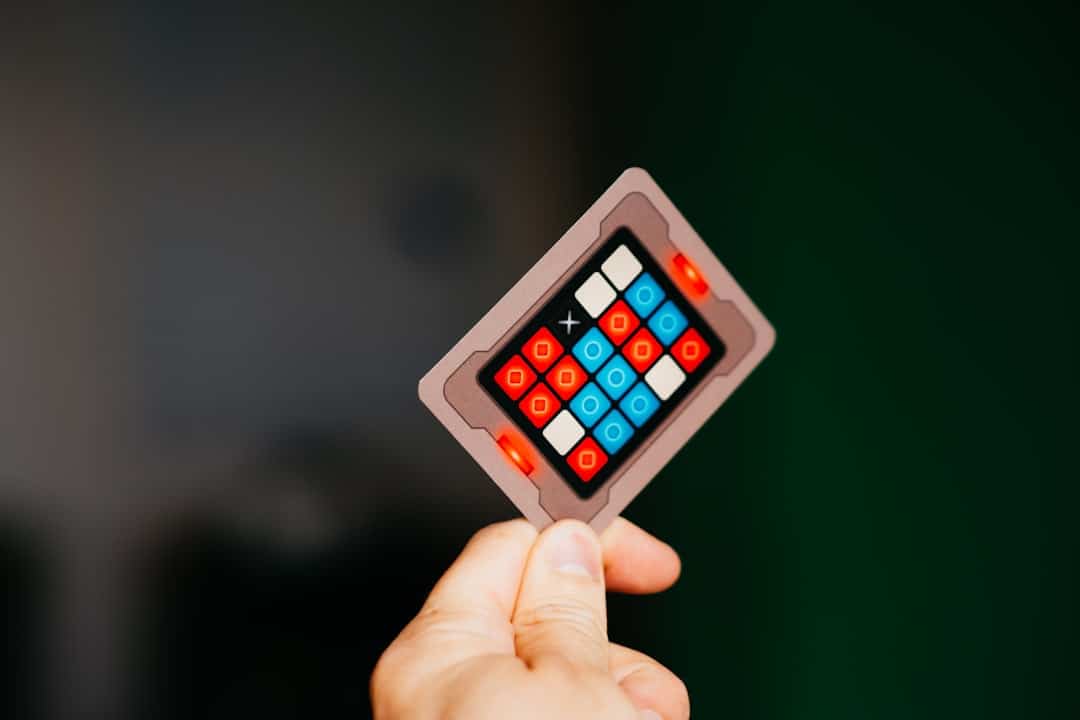
Smart patches represent an advanced drug delivery technology that combines biotechnology, materials science, and electronics to administer medications through the skin.
Smart patches incorporate sophisticated technologies that enable real-time physiological monitoring and precise control of therapeutic agent release, resulting in improved patient adherence and treatment outcomes.
This technology aligns with the healthcare industry’s movement toward personalized medicine by offering adaptable treatment solutions tailored to individual patient requirements. While transdermal drug delivery has existed for decades, the incorporation of intelligent technology has evolved this method into a more advanced and responsive therapeutic system. Smart patches utilize integrated sensors, microcontrollers, and wireless communication capabilities to simultaneously deliver medications and monitor physiological parameters including body temperature, pH levels, and biomarker concentrations.
This dual functionality enables personalized treatment protocols where medication dosages can be modified in real-time based on continuous feedback from the patient’s physiological state. Consequently, smart patches offer the potential to improve medication efficacy while reducing adverse effects through precise, individualized dosing regimens.
Key Takeaways
- Smart patches offer a novel, non-invasive method for controlled drug delivery using advanced sensor technology.
- They provide advantages like precise dosing and improved patient compliance but face limitations such as skin irritation and technological complexity.
- Applications span various medical fields including diabetes management, pain relief, and chronic disease treatment.
- Future developments focus on enhanced functionality, integration with digital health, and overcoming current technical challenges.
- Regulatory and safety considerations are critical to ensure efficacy and patient safety before widespread adoption.
Understanding the Technology Behind Smart Patches
At the core of smart patch technology lies a combination of materials science and electronic engineering. Smart patches typically consist of a flexible substrate that houses various components, including drug reservoirs, microelectronic circuits, and sensors. The materials used in these patches are often biocompatible polymers that ensure safety and comfort when applied to the skin.
For instance, hydrogel-based materials are frequently employed due to their ability to maintain moisture and facilitate drug diffusion while being gentle on the skin. The drug delivery mechanism in smart patches can vary widely depending on the specific application. Some patches utilize microneedles—tiny projections that penetrate the outer layer of the skin—to enhance drug absorption.
These microneedles can be coated with drugs or designed to dissolve upon insertion, releasing the medication directly into the bloodstream. Other patches may employ iontophoresis, a technique that uses electrical currents to drive charged drug molecules through the skin barrier. Additionally, many smart patches incorporate sensors that monitor physiological parameters, providing valuable data that can inform treatment decisions.
Advantages and Limitations of Smart Patches in Drug Delivery

One of the most significant advantages of smart patches is their ability to improve patient adherence to treatment regimens. Traditional methods of drug administration often rely on patient compliance with complex dosing schedules, which can lead to missed doses and suboptimal therapeutic outcomes. In contrast, smart patches can be designed to deliver medication automatically at predetermined intervals or in response to specific physiological signals.
This automation reduces the burden on patients and ensures a more consistent therapeutic effect. Moreover, smart patches can minimize side effects associated with systemic drug delivery by providing localized treatment. For example, in the case of pain management, a smart patch can deliver analgesics directly to the site of pain, reducing the need for higher systemic doses that may cause adverse effects elsewhere in the body.
Additionally, the real-time monitoring capabilities of smart patches allow healthcare providers to track patient responses and adjust treatment plans accordingly. However, despite these advantages, there are limitations to consider. The complexity of the technology may lead to higher production costs, which could limit accessibility for some patients.
Furthermore, issues related to skin irritation or allergic reactions to patch materials must be addressed to ensure patient safety.
Applications of Smart Patches in Different Medical Fields
Smart patches have found applications across various medical fields, showcasing their versatility and potential impact on patient care. In diabetes management, for instance, smart patches equipped with glucose sensors can continuously monitor blood sugar levels and deliver insulin as needed. This approach not only simplifies diabetes management but also helps maintain optimal glucose control, reducing the risk of complications associated with the disease.
In dermatology, smart patches are being explored for their ability to deliver topical treatments for conditions such as psoriasis or eczema. By providing a controlled release of anti-inflammatory or immunomodulatory agents directly to affected areas, these patches can enhance treatment efficacy while minimizing systemic exposure. Furthermore, in the field of vaccination, smart patches are being developed as an alternative delivery method for vaccines.
These patches could simplify vaccination campaigns by allowing individuals to self-administer vaccines without the need for trained healthcare professionals.
The Future of Smart Patches in Drug Delivery
| Metric | Description | Value / Range | Unit | Notes |
|---|---|---|---|---|
| Drug Delivery Efficiency | Percentage of drug successfully delivered through the skin | 70 – 95 | % | Varies by drug type and patch design |
| Patch Size | Surface area of the smart patch | 4 – 20 | cm² | Smaller patches preferred for comfort |
| Drug Release Rate | Rate at which drug is released from the patch | 0.1 – 5 | mg/hr | Controlled by patch material and electronics |
| Wear Time | Duration the patch can be worn effectively | 12 – 72 | hours | Depends on drug and patch technology |
| Skin Irritation Incidence | Percentage of users experiencing skin irritation | 1 – 5 | % | Lower rates with biocompatible materials |
| Power Consumption | Energy used by smart patch electronics | 10 – 50 | mW | Important for battery life and patch size |
| Data Transmission Range | Distance over which patch can communicate data | 1 – 10 | meters | Depends on wireless technology used |
| Cost per Patch | Manufacturing cost of a single smart patch | 5 – 30 | units | Varies with complexity and materials |
The future of smart patches in drug delivery is promising, with ongoing research focused on enhancing their capabilities and expanding their applications. One area of development is the integration of advanced biosensors that can detect a wider range of biomarkers related to various health conditions. This would enable smart patches not only to deliver medication but also to provide comprehensive health monitoring in real time.
For example, future iterations could potentially track inflammatory markers in patients with chronic diseases or monitor hormone levels in women undergoing fertility treatments. Moreover, advancements in materials science may lead to the creation of even more sophisticated patch designs that can respond dynamically to changes in physiological conditions. For instance, researchers are exploring stimuli-responsive materials that can alter their drug release profiles based on temperature or pH changes in the skin environment.
Such innovations could further personalize treatment regimens and improve therapeutic outcomes.
Regulatory and Safety Considerations for Smart Patches

As with any medical device, regulatory oversight is crucial for ensuring the safety and efficacy of smart patches before they reach consumers. Regulatory bodies such as the U.S. Food and Drug Administration (FDA) have established guidelines for evaluating new drug delivery systems, including smart patches.
These guidelines encompass various aspects such as biocompatibility testing, device performance evaluation, and clinical trials to assess safety and effectiveness. Safety considerations also extend to the materials used in smart patches. Biocompatibility is paramount; any materials that come into contact with human skin must be thoroughly tested for potential allergic reactions or irritations.
Additionally, the electronic components within smart patches must be designed to withstand various environmental conditions while maintaining functionality without compromising patient safety.
Current Challenges and Opportunities in Smart Patch Development
Despite their potential benefits, several challenges remain in the development and commercialization of smart patches. One significant hurdle is achieving reliable power sources for these devices. Many smart patches require energy to operate sensors and microcontrollers; thus, developing efficient and miniaturized power solutions is essential for their long-term viability.
Researchers are exploring options such as energy harvesting techniques that could allow patches to draw power from body heat or movement. Another challenge lies in ensuring data security and privacy for users of smart patches equipped with wireless communication capabilities. As these devices collect sensitive health information, robust cybersecurity measures must be implemented to protect patient data from unauthorized access or breaches.
This concern is particularly relevant as healthcare increasingly embraces digital solutions. Conversely, these challenges present opportunities for innovation within the field. The growing demand for personalized medicine creates a fertile ground for developing advanced smart patch technologies tailored to individual patient needs.
Collaborations between academia, industry stakeholders, and regulatory bodies can foster an environment conducive to innovation while addressing safety concerns.
The Impact of Smart Patches on Drug Delivery
Smart patches represent a transformative approach to drug delivery that combines cutting-edge technology with practical applications in healthcare. By offering a non-invasive method for medication administration alongside real-time monitoring capabilities, these devices have the potential to enhance patient adherence and improve therapeutic outcomes across various medical fields. As research continues to advance our understanding of materials science and electronic engineering, the future holds exciting possibilities for further integrating smart patches into everyday medical practice.
The impact of smart patches extends beyond mere convenience; they embody a shift towards more personalized healthcare solutions that prioritize patient needs and preferences. As we navigate the complexities of modern medicine, embracing innovations like smart patches will be crucial in shaping a more effective and responsive healthcare landscape.
In the realm of innovative healthcare solutions, the exploration of smart patches in drug delivery is gaining significant attention. These advanced devices promise to revolutionize how medications are administered, offering a more efficient and patient-friendly approach. For those interested in the intersection of technology and health, a related article that delves into the latest advancements in mobile applications, which can complement such technologies, is available at The Best Android Apps for 2023. This article highlights various applications that can enhance the user experience and management of health-related tasks.
FAQs
What are smart patches in drug delivery?
Smart patches are wearable devices designed to deliver medication through the skin in a controlled and precise manner. They often incorporate sensors and microelectronics to monitor physiological conditions and adjust drug release accordingly.
How do smart patches work?
Smart patches typically use microneedles or transdermal technology to administer drugs. They can sense biomarkers or environmental factors and modulate the dosage in real-time, ensuring optimal therapeutic effects while minimizing side effects.
What are the advantages of using smart patches for drug delivery?
Smart patches offer several benefits, including non-invasive administration, improved patient compliance, controlled and sustained drug release, real-time monitoring, and the potential for personalized treatment.
What types of drugs can be delivered using smart patches?
Smart patches can deliver a variety of drugs, including hormones, vaccines, pain medications, insulin, and other small molecules or biologics that are suitable for transdermal absorption.
Are smart patches safe to use?
When properly designed and tested, smart patches are generally safe. They undergo rigorous clinical trials to ensure biocompatibility, effective drug delivery, and minimal skin irritation or adverse reactions.
What challenges exist in the development of smart patches?
Challenges include ensuring consistent drug dosing, managing skin variability among patients, integrating reliable sensors, maintaining device stability, and addressing regulatory and manufacturing complexities.
How do smart patches improve patient compliance?
By providing painless, easy-to-use, and often self-administered drug delivery, smart patches reduce the need for injections or frequent dosing, making it easier for patients to adhere to their treatment regimens.
Can smart patches be used for chronic disease management?
Yes, smart patches are particularly promising for chronic conditions like diabetes, cardiovascular diseases, and pain management, where continuous monitoring and controlled drug delivery are beneficial.
What is the future outlook for smart patches in healthcare?
The future of smart patches includes integration with digital health platforms, enhanced personalization through AI, expanded drug compatibility, and broader adoption in both clinical and home settings.