

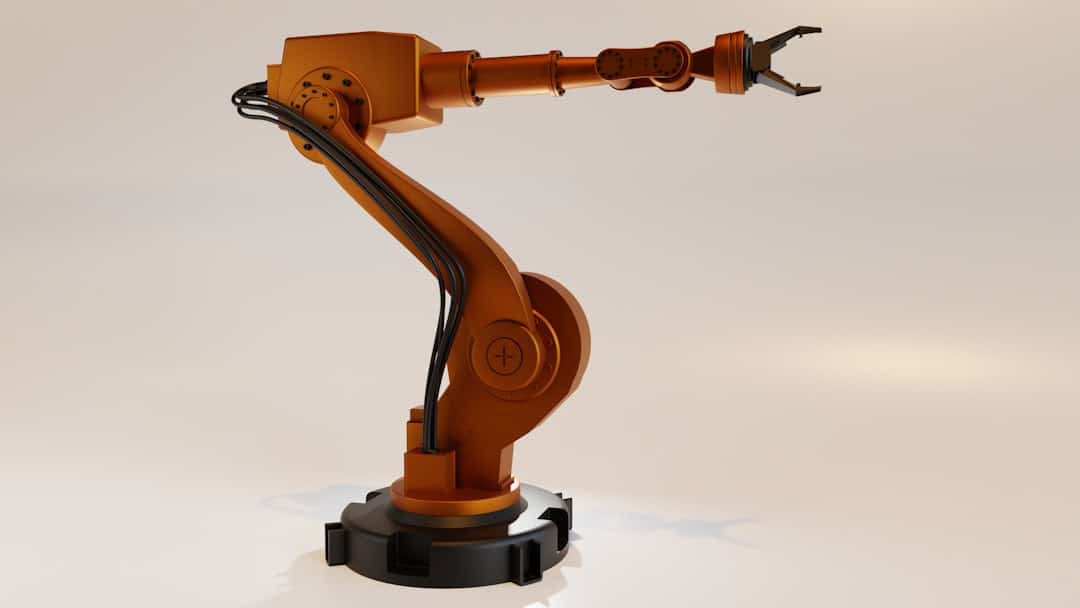
Artificial Intelligence (AI) has become a significant technological development across multiple industries, with autonomous vehicles and robotics representing two major application areas. AI integration in these fields has changed how machines process environmental data and interact with their surroundings, leading to measurable improvements in operational efficiency, safety protocols, and functional capabilities. Autonomous vehicles, including self-driving cars and unmanned aerial vehicles, utilize AI algorithms for navigation, real-time decision-making, and adaptive learning from operational data.
Robotics has similarly expanded its capabilities, enabling machines to execute tasks previously requiring human intervention. The combination of AI with autonomous vehicles and robotics addresses the demand for increased automation and independent operating systems. This technological integration represents a fundamental change in transportation infrastructure and industrial processes.
As AI technology advances, applications in these sectors continue to expand, generating innovations that are transforming industries and affecting daily life. The development of AI in autonomous vehicles and robotics involves documented achievements, technical challenges, and regulatory considerations that require systematic analysis.
Key Takeaways
- AI technology has significantly advanced the capabilities of autonomous vehicles and robotics, enabling smarter and more efficient systems.
- The evolution of AI has transformed automation, improving decision-making and operational precision in robotics.
- Despite progress, challenges such as technical limitations, safety concerns, and ethical issues remain critical in AI deployment.
- AI plays a crucial role in enhancing safety and efficiency, reducing human error, and optimizing performance in autonomous systems.
- The future of AI in autonomous vehicles and robotics holds great potential, but requires careful consideration of ethical implications and ongoing innovation.
The Evolution of AI Technology in Autonomous Vehicles
The evolution of AI technology in autonomous vehicles can be traced back to the early experiments in robotics and machine learning. Initial efforts focused on basic automation, where vehicles could follow predefined paths using simple sensors and control systems.
The introduction of machine learning techniques, particularly deep learning, allowed vehicles to process vast amounts of data from their surroundings, enabling them to recognize objects, interpret traffic signals, and understand complex driving scenarios. One landmark development was the advent of computer vision technologies that empowered vehicles to “see” their environment. By utilizing cameras and LiDAR sensors, autonomous vehicles can create detailed maps of their surroundings in real-time.
This capability is further enhanced by neural networks that analyze visual data to identify pedestrians, cyclists, and other vehicles. Companies like Waymo and Tesla have been at the forefront of this evolution, employing advanced AI algorithms to improve the safety and reliability of their self-driving systems. The continuous refinement of these technologies has led to significant strides in the performance of autonomous vehicles, making them increasingly viable for public use.
The Impact of AI on Robotics and Automation
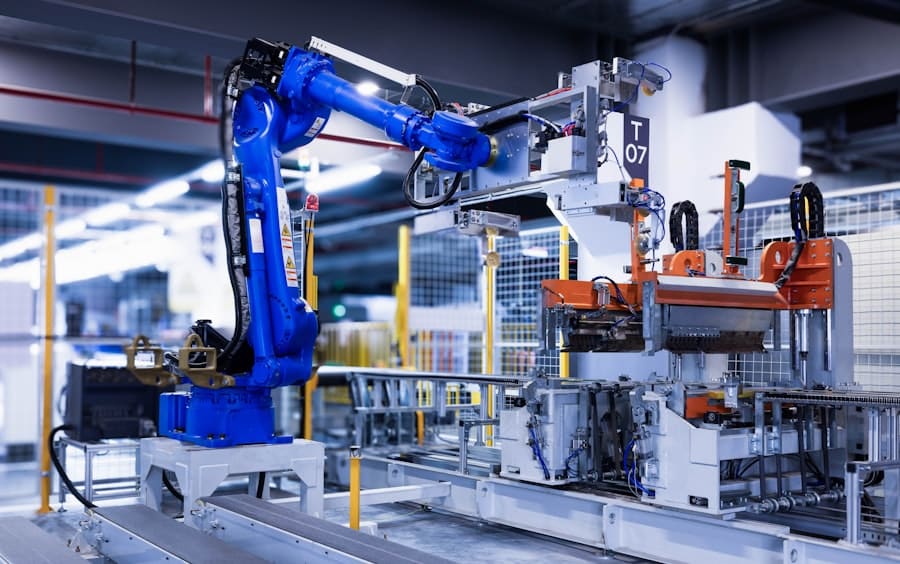
AI’s impact on robotics extends beyond autonomous vehicles; it encompasses a wide range of applications across various industries. In manufacturing, for instance, AI-powered robots are revolutionizing production lines by enhancing precision and efficiency. These robots can adapt to changes in their environment, learn from past experiences, and optimize their operations in real-time.
This adaptability is crucial in industries where demand fluctuates rapidly or where customization is key. Collaborative robots, or cobots, are designed to work alongside human operators, augmenting their capabilities and improving overall productivity. In healthcare, AI-driven robotic systems are transforming surgical procedures and patient care.
Surgical robots equipped with AI can assist surgeons by providing enhanced visualization and precision during operations. These systems can analyze patient data to recommend optimal surgical approaches or even perform minimally invasive procedures autonomously. Furthermore, robotic exoskeletons powered by AI are helping individuals with mobility impairments regain independence by providing support and enhancing physical capabilities.
The integration of AI into robotics is not just about automation; it is about creating intelligent systems that can learn, adapt, and collaborate with humans in meaningful ways.
The Challenges and Limitations of AI in Autonomous Vehicles and Robotics
Despite the remarkable advancements in AI for autonomous vehicles and robotics, several challenges and limitations persist. One significant hurdle is the issue of safety and reliability. Autonomous vehicles must navigate unpredictable environments filled with pedestrians, cyclists, and other vehicles while adhering to traffic laws.
Ensuring that these systems can make split-second decisions in complex scenarios remains a formidable challenge. Incidents involving self-driving cars have raised concerns about the technology’s readiness for widespread adoption, highlighting the need for rigorous testing and validation processes. Another challenge lies in the ethical implications of AI decision-making.
In situations where an accident is unavoidable, how should an autonomous vehicle prioritize the safety of its passengers versus that of pedestrians? These moral dilemmas complicate the development of algorithms that govern vehicle behavior. Additionally, there are concerns about data privacy and security as autonomous vehicles rely on vast amounts of data for training and operation.
Protecting this data from cyber threats is paramount to ensuring public trust in these technologies.
The Future of AI in Autonomous Vehicles and Robotics
| Category | Metric | Value | Unit | Description |
|---|---|---|---|---|
| Autonomous Vehicles | Perception Accuracy | 95 | % | Accuracy of AI systems in detecting objects and obstacles |
| Autonomous Vehicles | Decision Latency | 50 | ms | Time taken by AI to make driving decisions |
| Autonomous Vehicles | Miles Driven Autonomously | 20,000,000 | miles | Total miles driven by autonomous vehicles in testing |
| Robotics | Task Completion Rate | 92 | % | Percentage of tasks successfully completed by AI-powered robots |
| Robotics | Learning Speed | 1.5 | hours | Average time for AI to learn new tasks or environments |
| Robotics | Energy Efficiency | 85 | % | Efficiency of AI algorithms in managing power consumption |
| AI Systems | Model Size | 500 | MB | Average size of AI models used in autonomous vehicles and robots |
| AI Systems | Training Data Volume | 10 | TB | Amount of data used to train AI models |
| AI Systems | Real-time Processing Capability | 99.9 | % | Percentage of AI decisions made in real-time without delay |
Looking ahead, the future of AI in autonomous vehicles and robotics appears promising yet complex.
Enhanced machine learning algorithms will enable vehicles to learn from diverse driving conditions and user behaviors, leading to more personalized experiences for passengers.
Furthermore, advancements in sensor technology will improve environmental perception, allowing vehicles to operate safely in a wider range of conditions. In robotics, the future may see an increased emphasis on human-robot collaboration. As AI systems become more adept at understanding human intentions and emotions, robots will be better equipped to assist individuals in various settings—from homes to workplaces.
The integration of AI with Internet of Things (IoT) devices will also facilitate seamless communication between robots and their environments, enabling them to respond dynamically to changing conditions. This interconnectedness will enhance the overall efficiency of automated systems across industries.
Ethical Considerations in the Use of AI in Autonomous Vehicles and Robotics
The ethical considerations surrounding AI in autonomous vehicles and robotics are multifaceted and require careful deliberation. One pressing issue is accountability: when an autonomous vehicle is involved in an accident, who is responsible? Is it the manufacturer, the software developer, or the owner?
Establishing clear legal frameworks that address liability is essential for fostering public trust in these technologies. Moreover, there are concerns about bias in AI algorithms. If training data reflects societal biases, autonomous systems may inadvertently perpetuate these biases in their decision-making processes.
For instance, facial recognition technology used in security applications may misidentify individuals from certain demographic groups if not properly calibrated. Ensuring fairness and transparency in AI systems is crucial for preventing discrimination and promoting equitable outcomes.
The Role of AI in Enhancing Safety and Efficiency in Autonomous Vehicles and Robotics
AI plays a pivotal role in enhancing both safety and efficiency within autonomous vehicles and robotics. In the context of self-driving cars, advanced driver-assistance systems (ADAS) utilize AI algorithms to monitor vehicle performance and detect potential hazards on the road. Features such as automatic emergency braking, lane-keeping assistance, and adaptive cruise control rely on real-time data analysis to prevent accidents and improve overall safety.
In robotics, AI enhances operational efficiency by enabling machines to optimize their workflows based on real-time feedback. For example, warehouse robots equipped with AI can navigate complex layouts while avoiding obstacles and dynamically adjusting their routes based on changing inventory levels. This adaptability not only streamlines operations but also reduces downtime and increases productivity across various sectors.
The Potential of AI in Shaping the Future of Autonomous Vehicles and Robotics
The potential of AI to shape the future of autonomous vehicles and robotics is immense. As technology continues to evolve, we can anticipate a world where intelligent machines seamlessly integrate into our daily lives—enhancing transportation systems, improving industrial processes, and transforming healthcare delivery. However, realizing this potential requires addressing the challenges associated with safety, ethics, and accountability.
The journey toward fully autonomous vehicles and advanced robotics will undoubtedly be marked by both triumphs and setbacks. Nevertheless, the ongoing research and development efforts within this field hold great promise for creating safer, more efficient systems that can augment human capabilities while addressing pressing societal needs. As we navigate this transformative landscape, it is essential to foster collaboration among technologists, policymakers, ethicists, and the public to ensure that the benefits of AI are realized responsibly and equitably across all sectors.
In the realm of technological advancements, the intersection of artificial intelligence and autonomous systems is a rapidly evolving field. A related article that delves into the implications of AI in various sectors is “Best Software for Freight Forwarders 2023,” which discusses how AI-driven software solutions are transforming logistics and supply chain management. For more insights on this topic, you can read the article here.
FAQs
What is the role of AI in autonomous vehicles?
AI enables autonomous vehicles to perceive their environment, make decisions, and navigate safely without human intervention. It processes data from sensors, identifies objects, predicts movements, and controls the vehicle’s actions.
How does AI contribute to robotics?
AI allows robots to perform complex tasks by enabling perception, learning, reasoning, and decision-making. It helps robots adapt to changing environments, recognize objects, and interact with humans effectively.
What types of AI technologies are used in autonomous vehicles?
Common AI technologies include computer vision, machine learning, deep learning, sensor fusion, and natural language processing. These technologies help vehicles understand surroundings, detect obstacles, and communicate with passengers.
Are autonomous vehicles safe due to AI?
AI improves safety by reducing human error, enabling real-time hazard detection, and making informed driving decisions. However, safety depends on the quality of AI algorithms, sensor accuracy, and rigorous testing.
What challenges does AI face in autonomous vehicles and robotics?
Challenges include handling unpredictable environments, ensuring reliable sensor data, addressing ethical concerns, managing cybersecurity risks, and achieving regulatory approval.
How do autonomous vehicles use AI to navigate?
AI processes data from GPS, cameras, lidar, and radar to create a map of the environment, plan routes, avoid obstacles, and adjust speed and direction dynamically.
Can AI in robotics learn from experience?
Yes, many AI systems in robotics use machine learning techniques to improve performance over time by learning from data and past interactions.
What industries benefit from AI in robotics?
Industries such as manufacturing, healthcare, agriculture, logistics, and defense benefit from AI-powered robotics for automation, precision, and efficiency.
Is AI in autonomous vehicles fully autonomous?
Currently, most autonomous vehicles operate at varying levels of autonomy, often requiring human supervision. Full autonomy (Level 5) is still under development and testing.
How does AI handle unexpected situations in autonomous vehicles?
AI systems use predictive models and real-time data to detect anomalies and make safe decisions, but handling all unexpected scenarios remains a significant challenge.