

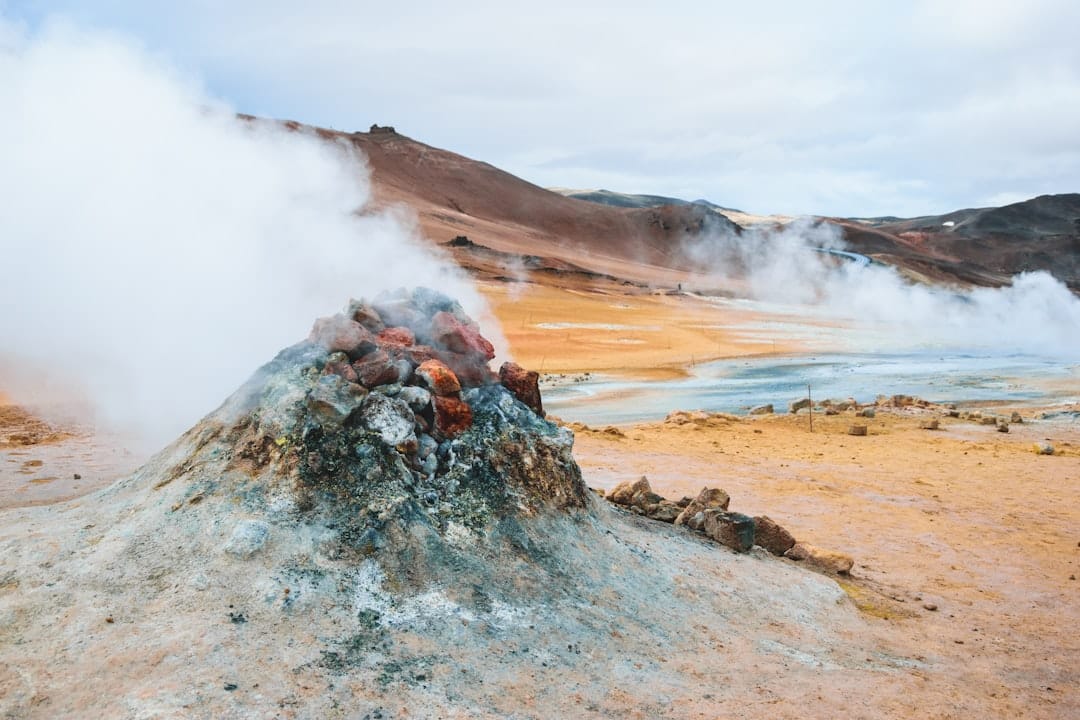
Geothermal energy, derived from the Earth’s internal heat, represents a sustainable and renewable energy source that has been harnessed for centuries. This form of energy is generated from the natural heat stored beneath the Earth’s surface, which can be accessed through various technologies, including geothermal power plants and ground-source heat pumps. The potential of geothermal energy is vast, with estimates suggesting that the Earth’s core holds enough thermal energy to meet global energy demands for thousands of years.
As urban areas continue to expand and face increasing energy demands, the exploration and implementation of geothermal energy solutions have become more critical than ever. The process of harnessing geothermal energy involves tapping into hot water or steam reservoirs located underground.
The extraction of this heat can be utilized for electricity generation or direct heating applications, such as district heating systems. Urban areas, characterized by high population density and significant energy consumption, stand to benefit immensely from the integration of geothermal energy into their energy portfolios. As cities strive to reduce their carbon footprints and transition to cleaner energy sources, geothermal energy emerges as a viable option that aligns with sustainability goals.
Key Takeaways
- Geothermal energy offers a sustainable and reliable power source for urban environments.
- Urban geothermal projects face challenges like high initial costs and complex infrastructure needs.
- Successful case studies demonstrate effective integration of geothermal systems in city settings.
- Technological innovations are enhancing the efficiency and feasibility of urban geothermal energy.
- Supportive government policies and community engagement are crucial for expanding geothermal use in cities.
Benefits of Geothermal Energy in Urban Areas
One of the most significant advantages of geothermal energy in urban settings is its ability to provide a stable and reliable source of power. Unlike solar or wind energy, which are subject to fluctuations based on weather conditions, geothermal energy offers a consistent output. This reliability is particularly crucial for urban areas that require a steady supply of electricity and heating to support their infrastructure and population.
Furthermore, geothermal systems can operate continuously, providing baseload power that complements intermittent renewable sources. In addition to reliability, geothermal energy contributes to reducing greenhouse gas emissions. Urban areas are often major contributors to carbon emissions due to their reliance on fossil fuels for electricity and heating.
By integrating geothermal energy into their energy mix, cities can significantly lower their carbon footprints. For instance, a study conducted by the U.S. Department of Energy found that utilizing geothermal energy could reduce carbon dioxide emissions by up to 90% compared to traditional fossil fuel sources.
This reduction not only helps combat climate change but also improves air quality, leading to better public health outcomes for urban residents.
Challenges of Implementing Geothermal Energy in Urban Areas

Despite its numerous benefits, the implementation of geothermal energy in urban areas is not without challenges. One of the primary obstacles is the high upfront capital costs associated with drilling and developing geothermal systems. The initial investment required for exploration, drilling, and installation can be substantial, often deterring potential investors and municipalities from pursuing geothermal projects.
Additionally, the financial risks associated with drilling—such as the possibility of not finding sufficient geothermal resources—can further complicate project feasibility.
The effectiveness of geothermal systems largely depends on the geological characteristics of the site, including the presence of hot water reservoirs and the thermal conductivity of the surrounding rock.
In densely populated cities, suitable geological formations may be limited or difficult to access due to existing infrastructure. Moreover, urban environments often have complex land-use regulations and zoning laws that can hinder the development of geothermal projects. Navigating these regulatory frameworks requires careful planning and collaboration among various stakeholders.
Case Studies of Successful Geothermal Energy Projects in Urban Areas
Several urban areas around the world have successfully integrated geothermal energy into their energy systems, serving as models for future projects. One notable example is Reykjavik, Iceland, where geothermal energy plays a central role in the city’s heating and electricity supply. Approximately 90% of Reykjavik’s homes are heated using geothermal hot water sourced from nearby geothermal fields.
The city’s commitment to harnessing its abundant geothermal resources has not only provided affordable heating but has also significantly reduced greenhouse gas emissions. Another successful case is the city of San Diego, California, which has implemented a district heating system powered by geothermal energy. The San Diego Geothermal Energy Project utilizes hot water from deep underground reservoirs to provide heating for residential and commercial buildings in the downtown area.
This project has demonstrated how urban centers can leverage geothermal resources to meet heating demands while reducing reliance on fossil fuels. The success of these projects highlights the potential for other cities to adopt similar approaches tailored to their unique geological and infrastructural contexts.
Innovations in Geothermal Energy Technology for Urban Areas
| Metric | Description | Value / Range | Unit |
|---|---|---|---|
| Average Urban Geothermal Gradient | Temperature increase per depth in urban subsurface | 25 – 35 | °C/km |
| Typical Depth for Urban Geothermal Wells | Depth range for accessing geothermal heat in cities | 100 – 500 | meters |
| Heat Extraction Rate | Amount of heat that can be extracted per well | 50 – 150 | kW |
| Potential Annual Energy Output | Estimated energy production from geothermal systems in urban areas | 500 – 2000 | MWh/year |
| CO2 Emission Reduction | Estimated reduction in carbon emissions compared to fossil fuels | 60 – 80 | % |
| Installation Cost | Cost range for geothermal system installation in urban settings | 1500 – 3000 | per kW installed |
| Typical Payback Period | Time to recover investment through energy savings | 5 – 12 | years |
| Space Requirement | Land area needed for geothermal infrastructure in urban areas | 10 – 30 | m² per kW |
The advancement of technology has played a crucial role in enhancing the viability and efficiency of geothermal energy systems in urban settings. One notable innovation is the development of enhanced geothermal systems (EGS), which allow for the extraction of heat from dry rock formations that lack sufficient natural water reservoirs. EGS technology involves injecting water into hot rock formations to create steam, which can then be used to generate electricity or provide heating.
This approach expands the potential for geothermal energy beyond traditional hydrothermal resources, making it applicable in a wider range of urban environments. Additionally, advancements in ground-source heat pump (GSHP) technology have made it easier for urban buildings to utilize geothermal energy for heating and cooling purposes. GSHP systems circulate fluid through underground loops to exchange heat with the ground, providing efficient temperature regulation for residential and commercial spaces.
These systems are particularly well-suited for urban areas where space is limited, as they can be installed in small plots or even integrated into existing buildings without significant disruption.
Government Policies and Incentives for Geothermal Energy in Urban Areas

Government policies play a pivotal role in promoting the adoption of geothermal energy in urban areas. Many countries have implemented incentives such as tax credits, grants, and subsidies to encourage investment in renewable energy projects, including geothermal systems. For instance, in the United States, the federal government offers a 26% investment tax credit (ITC) for geothermal projects, which significantly reduces the financial burden on developers and encourages more municipalities to explore geothermal options.
In addition to financial incentives, regulatory frameworks that streamline permitting processes can facilitate the development of geothermal projects in urban settings. By simplifying the approval process and providing clear guidelines for developers, governments can help overcome some of the barriers associated with implementing geothermal energy systems. Furthermore, public-private partnerships can foster collaboration between government entities and private companies, leveraging resources and expertise to advance geothermal initiatives.
Community Engagement and Education on Geothermal Energy in Urban Areas
Community engagement is essential for the successful implementation of geothermal energy projects in urban areas. Educating residents about the benefits and feasibility of geothermal systems can help garner public support and address any concerns related to environmental impacts or costs. Local governments and organizations can host informational workshops, seminars, and outreach programs to raise awareness about geothermal energy’s potential as a clean and sustainable resource.
Moreover, involving community members in decision-making processes can enhance transparency and build trust between stakeholders. Engaging residents in discussions about proposed geothermal projects allows them to voice their opinions and contribute valuable insights based on their experiences and needs. This collaborative approach not only fosters community buy-in but also ensures that projects are designed with local priorities in mind.
Future Prospects and Opportunities for Geothermal Energy in Urban Areas
The future prospects for geothermal energy in urban areas are promising as technological advancements continue to evolve alongside growing concerns about climate change and energy sustainability. As cities seek innovative solutions to meet their energy demands while reducing carbon emissions, geothermal energy presents an attractive option that aligns with these goals. The increasing availability of data on subsurface geology through improved mapping technologies will enable more precise assessments of geothermal potential in urban environments.
Furthermore, as global interest in renewable energy sources intensifies, investment in research and development for geothermal technologies is likely to increase. This influx of funding could lead to breakthroughs that enhance efficiency, reduce costs, and expand the applicability of geothermal systems across diverse urban landscapes. As cities continue to grapple with challenges related to climate change and resource management, embracing geothermal energy could play a pivotal role in shaping sustainable urban futures.
In conclusion, while there are challenges associated with implementing geothermal energy in urban areas, its benefits are substantial and increasingly recognized by policymakers and communities alike. With continued innovation, supportive government policies, and active community engagement, geothermal energy has the potential to become a cornerstone of sustainable urban development in the years to come.
In addition to exploring the potential of geothermal energy in urban areas, it is also important to consider how innovative technologies can enhance energy efficiency in various sectors. For instance, the article on marketing technologies for 2023 discusses how advancements in technology can lead to more sustainable practices, which can complement the integration of geothermal energy solutions in urban environments.
FAQs
What is geothermal energy?
Geothermal energy is the heat derived from the Earth’s internal processes. It can be harnessed for heating, cooling, and electricity generation by tapping into underground reservoirs of hot water and steam.
How can geothermal energy be used in urban areas?
In urban areas, geothermal energy is primarily used for heating and cooling buildings through geothermal heat pumps. It can also be integrated into district heating systems and, in some cases, for electricity generation if suitable geothermal resources are available nearby.
What are the benefits of using geothermal energy in cities?
Geothermal energy offers a reliable, sustainable, and low-emission source of heating and cooling. It reduces dependence on fossil fuels, lowers greenhouse gas emissions, and can provide stable energy costs over time.
Are there any challenges to implementing geothermal energy in urban environments?
Yes, challenges include the high initial installation costs, limited availability of suitable geothermal resources beneath cities, potential land use constraints, and the need for specialized infrastructure and expertise.
Is geothermal energy environmentally friendly?
Yes, geothermal energy is considered environmentally friendly because it produces minimal greenhouse gas emissions compared to fossil fuels. However, careful management is required to avoid issues such as groundwater contamination or land subsidence.
Can geothermal energy be used for both heating and cooling?
Yes, geothermal heat pump systems can provide both heating in the winter and cooling in the summer by transferring heat to or from the ground, making them highly efficient for year-round climate control.
What types of geothermal systems are suitable for urban areas?
Closed-loop geothermal heat pump systems are commonly used in urban settings due to their smaller footprint and minimal environmental impact. Open-loop systems and deep geothermal wells may be less common due to space and resource constraints.
How does geothermal energy compare to other renewable energy sources in cities?
Geothermal energy provides consistent, base-load heating and cooling, unlike solar or wind, which are intermittent. It complements other renewables by offering stable energy supply but may have higher upfront costs and site-specific limitations.
Is it possible to retrofit existing buildings with geothermal systems?
Yes, many existing buildings can be retrofitted with geothermal heat pump systems, although feasibility depends on site conditions, available space for ground loops, and building energy requirements.
What is the future outlook for geothermal energy in urban areas?
Advancements in drilling technology, system design, and integration with smart grids are expected to enhance the viability of geothermal energy in cities. Increased focus on sustainable urban development may drive wider adoption in the coming years.