


Technological advances have led to widespread adoption of wearable devices and smart home systems. Wearable technology encompasses devices like smartwatches, fitness trackers, and health monitors that collect real-time physiological and activity data when worn on the body. Smart home systems consist of networked devices that control household functions including lighting, climate control, security, and entertainment systems through automated processes.
The convergence of wearable and smart home technologies enables enhanced functionality through device communication and data sharing. Wearable devices can transmit user data to smart home systems, which then adjust environmental conditions accordingly. For example, when a fitness tracker detects elevated heart rate during exercise, it can signal the thermostat to lower the temperature.
This integration creates automated responses based on user behavior and physiological states, potentially improving comfort and supporting health-related activities through data-informed environmental adjustments.
Key Takeaways
- Integrating wearables with smart home systems enhances convenience and personalized automation.
- Key benefits include improved health monitoring, energy efficiency, and seamless device control.
- Challenges involve compatibility issues, data security, and maintaining user privacy.
- Future trends point to more advanced AI-driven integration and broader device interoperability.
- Selecting the right devices requires considering compatibility, security features, and user needs.
Benefits of Integrating Wearables with Smart Home Systems
The integration of wearables with smart home systems offers numerous benefits that enhance both functionality and user experience. One of the most significant advantages is the ability to create a more personalized living environment. For example, smart thermostats can learn an individual’s preferences over time, adjusting temperatures based on data collected from wearable devices that monitor activity levels and body temperature.
This level of customization ensures that the home environment is always aligned with the occupant’s needs, promoting comfort and energy efficiency. Moreover, this integration can lead to improved health outcomes. Wearable devices often track vital signs and physical activity, providing users with insights into their health status.
When these devices are connected to smart home systems, they can trigger specific actions that support health goals. For instance, if a wearable detects elevated stress levels through heart rate variability, it could prompt smart lighting to shift to a calming hue or activate a sound system to play soothing music. Such automated responses not only enhance well-being but also encourage users to adopt healthier habits by creating an environment conducive to relaxation and mindfulness.
Challenges and Considerations in Integrating Wearables with Smart Home Systems
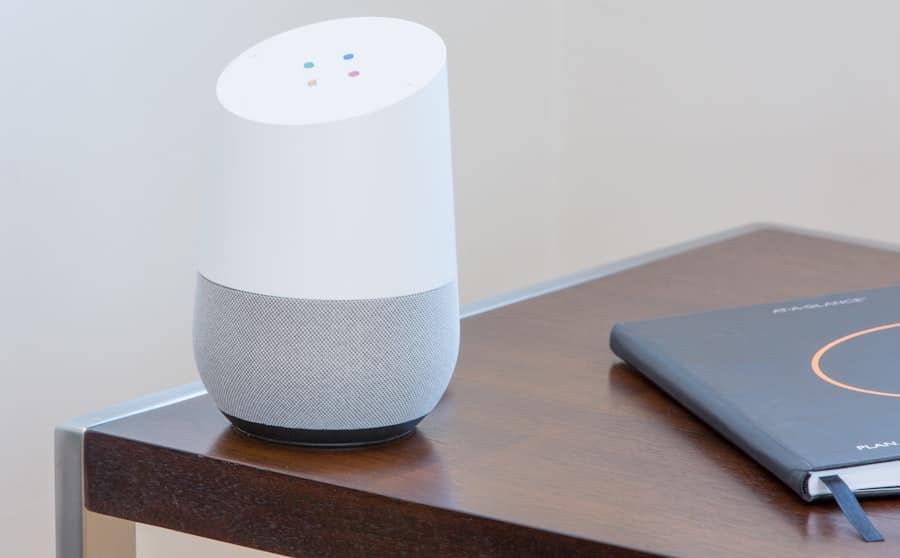
Despite the myriad benefits, integrating wearables with smart home systems is not without its challenges. One primary concern is interoperability among devices from different manufacturers. The smart home ecosystem is often fragmented, with various brands using proprietary technologies that may not communicate effectively with one another.
This lack of standardization can hinder the seamless integration of wearables and smart home systems, leading to user frustration and limiting the potential benefits of such technology. Another significant consideration is the complexity of user interfaces. As wearables and smart home systems become more advanced, the user experience can become convoluted.
This complexity can deter individuals from fully utilizing the capabilities of their integrated systems. Therefore, manufacturers must prioritize user-friendly designs that simplify interactions and enhance accessibility for all users, regardless of their technological proficiency.
Examples of Wearables and Smart Home Systems Integration
Several innovative examples illustrate the successful integration of wearables with smart home systems, showcasing how this technology can enhance daily life. One notable instance is the collaboration between Fitbit and various smart home platforms like Google Home. Users can link their Fitbit devices to Google Assistant, allowing them to control smart home features through voice commands based on their fitness data.
For example, after completing a workout, a user might say, “Hey Google, turn on the air conditioning,” creating a comfortable environment for recovery. Another compelling example is the integration of Apple Watch with HomeKit-enabled devices. Users can receive notifications on their Apple Watch regarding home security alerts or environmental changes, such as smoke detection or unusual activity detected by security cameras.
Additionally, users can control smart locks directly from their wrist, enhancing convenience and security. This level of integration not only streamlines daily tasks but also provides peace of mind by keeping users informed about their home’s status at all times.
Future Trends and Developments in Wearables and Smart Home Systems Integration
| Metric | Description | Value | Unit |
|---|---|---|---|
| Wearable Device Compatibility | Percentage of wearables compatible with smart home systems | 85 | % |
| Average Response Time | Time taken for smart home system to respond to wearable commands | 1.2 | seconds |
| Energy Consumption | Average additional energy used by smart home devices when integrated with wearables | 15 | Watts |
| User Satisfaction Rate | Percentage of users satisfied with wearable-smart home integration | 78 | % |
| Security Incidents | Number of reported security breaches related to wearable-smart home integration | 3 | incidents/year |
| Integration Cost | Average cost to integrate wearables with smart home systems | 120 | units |
| Data Sync Frequency | How often data is synchronized between wearables and smart home systems | Every 5 | minutes |
Looking ahead, the integration of wearables with smart home systems is poised for significant advancements driven by emerging technologies such as artificial intelligence (AI) and machine learning (ML). These technologies will enable wearables to analyze data more effectively and make proactive recommendations based on user behavior patterns. For instance, AI algorithms could predict when a user is likely to return home based on their daily routines and adjust lighting and temperature settings accordingly, creating a welcoming atmosphere upon arrival.
Additionally, advancements in health monitoring capabilities will further enhance this integration. Future wearables may incorporate more sophisticated sensors capable of tracking a wider range of health metrics, such as blood glucose levels or hydration status. This data could be used to automate responses within smart home systems—such as alerting users when they need to drink water or adjusting meal preparation settings based on dietary needs—creating a more health-conscious living environment.
Security and Privacy Concerns in Wearables and Smart Home Systems Integration
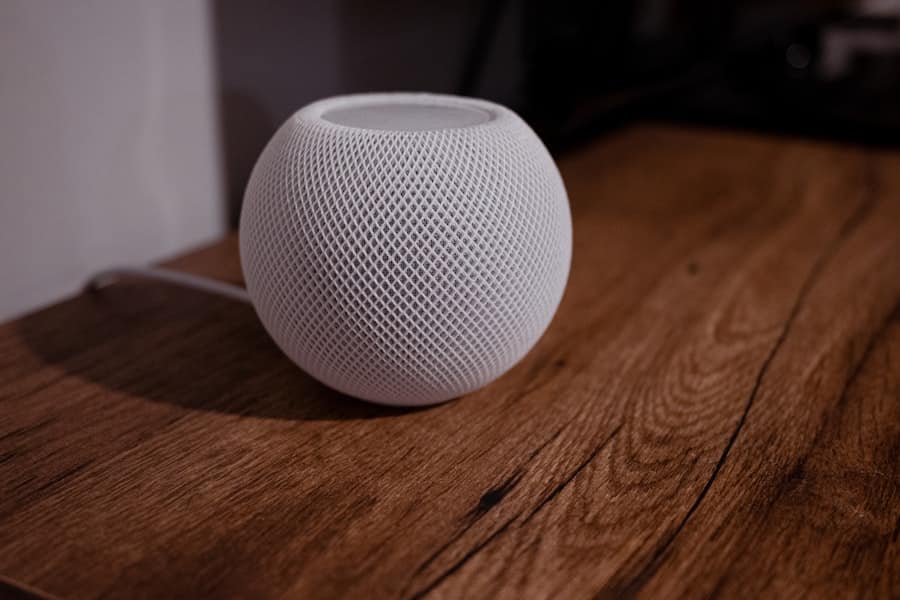
As with any technology that collects personal data, security and privacy concerns are paramount in the integration of wearables with smart home systems. The interconnected nature of these devices creates potential vulnerabilities that could be exploited by malicious actors. For instance, if a wearable device is compromised, it could provide unauthorized access to connected smart home systems, leading to privacy breaches or even physical security risks.
To mitigate these risks, manufacturers must prioritize robust security measures throughout the design and development process. This includes implementing strong encryption protocols for data transmission between devices and ensuring regular software updates to address potential vulnerabilities. Additionally, users should be educated about best practices for securing their devices, such as using strong passwords and enabling two-factor authentication where available.
How Wearables and Smart Home Systems Integration Can Improve Daily Life
The integration of wearables with smart home systems has the potential to significantly enhance daily life by promoting efficiency, convenience, and well-being. For instance, individuals managing chronic health conditions can benefit from real-time monitoring facilitated by wearables that communicate with smart home devices. A diabetic patient could use a smartwatch that tracks blood sugar levels while simultaneously receiving alerts from a smart refrigerator about food items that align with their dietary restrictions.
Furthermore, this integration can foster greater awareness of personal habits and routines. By analyzing data collected from wearables in conjunction with smart home systems, users can gain insights into their daily activities—such as sleep patterns or exercise frequency—and make informed adjustments to improve their overall quality of life. For example, if a wearable indicates insufficient sleep quality, it could trigger smart blinds to gradually open at sunrise, simulating a natural waking process that promotes better rest.
Tips for Choosing the Right Wearables and Smart Home Systems for Integration
When considering the integration of wearables with smart home systems, several factors should guide consumers in making informed choices. First and foremost is compatibility; it is essential to ensure that both wearable devices and smart home products can communicate effectively with one another. Researching brands that prioritize interoperability or utilize common platforms like Apple HomeKit or Google Assistant can simplify this process.
Additionally, users should evaluate their specific needs and lifestyle preferences when selecting devices. For instance, fitness enthusiasts may prioritize wearables with advanced health tracking features that sync seamlessly with smart fitness equipment at home. Conversely, individuals focused on home automation may seek wearables that offer robust control over various smart devices within their living space.
Finally, considering user reviews and expert recommendations can provide valuable insights into the performance and reliability of specific products. Engaging with online communities or forums dedicated to wearables and smart home technology can also help users stay informed about the latest trends and best practices for maximizing the benefits of integration in their daily lives.
In the realm of smart technology, the integration of wearables with smart home systems is becoming increasingly significant. For those interested in enhancing their understanding of how technology can improve daily life, a related article on the best tablets for students can provide insights into the devices that complement smart home ecosystems. You can read more about it in this article:

<ul class=)