


Wearable technology has experienced a meteoric rise over the past decade, transforming from niche gadgets into essential components of modern life. Initially, wearables were primarily fitness trackers, such as the Fitbit, which gained popularity by allowing users to monitor their physical activity and health metrics. As technology advanced, these devices evolved into multifunctional smartwatches and health monitors, integrating features like heart rate tracking, sleep analysis, and even ECG readings.
The introduction of Apple’s smartwatch in 2015 marked a significant turning point, as it combined fitness tracking with smartphone notifications and applications, appealing to a broader audience. The proliferation of wearable technology can be attributed to several factors, including advancements in sensor technology, miniaturization of components, and increased consumer awareness of health and wellness. Today, wearables are not limited to fitness enthusiasts; they cater to a diverse demographic that includes tech-savvy individuals, health-conscious consumers, and even those seeking convenience in their daily lives.
The integration of artificial intelligence and machine learning into wearables has further enhanced their capabilities, allowing for personalized health insights and predictive analytics. As a result, wearables have become indispensable tools for managing health and enhancing lifestyle choices.
Key Takeaways
- Wearable technology and smart home systems have both rapidly advanced, offering new opportunities for integration.
- Combining wearables with smart home systems enhances convenience, personalization, and health monitoring.
- Integration faces challenges such as compatibility issues, data privacy, and security risks.
- Popular devices include smartwatches, fitness trackers, and voice-activated home assistants.
- Future trends focus on seamless connectivity, improved AI, and stronger security measures to protect user data.
The Evolution of Smart Home Systems
Smart home systems have undergone significant evolution since their inception, transitioning from basic automation to sophisticated ecosystems that enhance convenience, security, and energy efficiency. Early smart home devices were primarily focused on automation, such as programmable thermostats and remote-controlled lighting systems. However, the advent of the Internet of Things (IoT) has revolutionized the landscape, enabling devices to communicate with one another and be controlled remotely via smartphones or voice assistants.
This interconnectedness has paved the way for comprehensive smart home solutions that can be tailored to individual preferences. The integration of artificial intelligence into smart home systems has further propelled their evolution. Modern smart homes can learn user habits and preferences over time, adjusting settings automatically to optimize comfort and efficiency.
For instance, smart thermostats can analyze historical data to predict when occupants will be home and adjust heating or cooling accordingly. Additionally, security systems have become more advanced, incorporating features like facial recognition and real-time alerts to enhance safety. As consumers increasingly seek seamless integration and control over their living environments, the demand for sophisticated smart home systems continues to grow.
Benefits of Integrating Wearables with Smart Home Systems
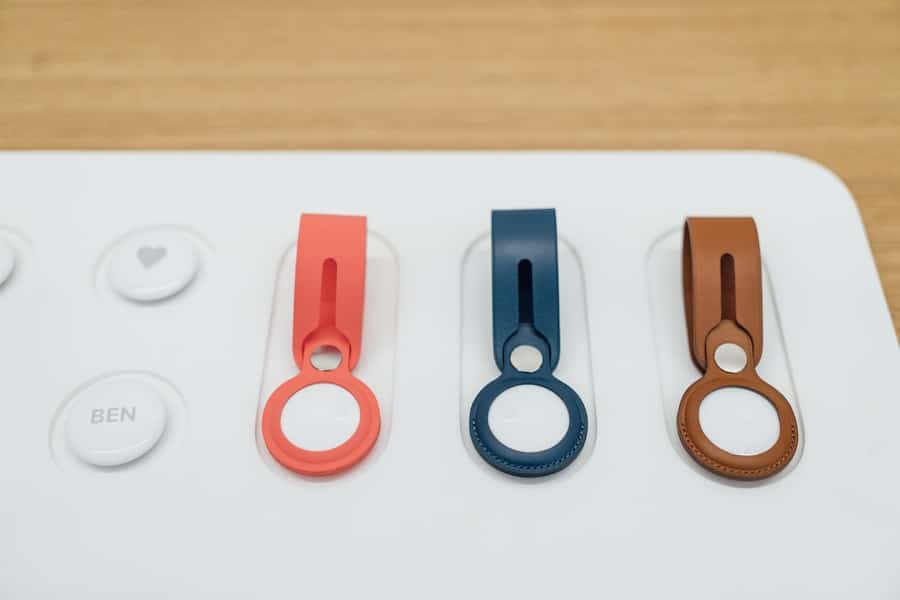
The integration of wearable technology with smart home systems offers a multitude of benefits that enhance user experience and improve overall quality of life. One of the most significant advantages is the ability to create a personalized living environment that adapts to individual preferences. For example, a wearable device can monitor a user’s heart rate and stress levels throughout the day.
Based on this data, the smart home system can adjust lighting, temperature, or even play calming music when it detects elevated stress levels, creating a more conducive atmosphere for relaxation. Moreover, this integration can lead to improved health outcomes by promoting proactive wellness management. Wearables can track vital signs and physical activity levels, providing valuable insights that can be shared with smart home systems.
For instance, if a wearable detects that a user has been sedentary for an extended period, it could trigger reminders to stand up or engage in physical activity.
This synergy not only enhances individual well-being but also fosters a more holistic approach to health management.
Challenges and Considerations for Integration
Despite the numerous benefits of integrating wearables with smart home systems, several challenges and considerations must be addressed to ensure seamless functionality. One primary concern is interoperability among devices from different manufacturers. The smart home ecosystem is often fragmented, with various brands offering devices that may not communicate effectively with one another.
This lack of standardization can hinder the full potential of integration, leading to user frustration and limiting the overall experience. Another challenge lies in data privacy and security. As wearables collect sensitive health information and smart home systems manage personal data related to daily activities and routines, ensuring robust security measures is paramount.
Users must be aware of how their data is being used and stored by both wearable manufacturers and smart home system providers. Implementing strong encryption protocols and transparent privacy policies is essential to build trust among consumers. Additionally, users should be educated on best practices for securing their devices and networks to mitigate potential risks associated with data breaches.
Popular Wearables and Smart Home Systems
| Metric | Description | Value | Unit |
|---|---|---|---|
| Wearable Device Compatibility | Percentage of popular wearables compatible with smart home systems | 85 | % |
| Average Response Time | Time taken for smart home system to respond to wearable commands | 1.2 | seconds |
| Energy Consumption Reduction | Decrease in home energy use due to wearable-triggered automation | 15 | % |
| User Satisfaction Rate | Percentage of users satisfied with wearable-smart home integration | 78 | % |
| Security Incident Rate | Number of security breaches related to wearable-smart home integration | 2 | incidents per 1000 users |
| Integration Setup Time | Average time required to set up wearable with smart home system | 10 | minutes |
| Data Sync Frequency | How often wearable data syncs with smart home system | Every 5 | minutes |
The market for wearables and smart home systems is teeming with options that cater to various needs and preferences. Among the most popular wearables are devices like the Apple Watch, Fitbit Charge series, and Garmin Venu series. The Apple Watch stands out due to its comprehensive health tracking features, including ECG monitoring and blood oxygen level measurement, alongside its seamless integration with other Apple products.
Fitbit’s Charge series focuses on fitness tracking with an emphasis on heart rate monitoring and sleep analysis, appealing to health-conscious consumers. Garmin’s Venu series targets fitness enthusiasts with advanced GPS capabilities and sports-specific metrics. On the smart home front, platforms like Google Nest, Amazon Alexa, and Apple HomeKit dominate the landscape.
Google Nest offers a range of products from smart speakers to thermostats that work harmoniously within its ecosystem. Amazon Alexa provides extensive compatibility with third-party devices, allowing users to control everything from lights to security cameras through voice commands. Apple HomeKit stands out for its emphasis on privacy and security while providing a user-friendly interface for managing connected devices.
The synergy between these popular wearables and smart home systems creates a robust framework for enhancing daily life through technology.
The Future of Wearables and Smart Home Integration

Looking ahead, the future of wearables and smart home integration appears promising as technology continues to advance at an unprecedented pace. One potential development is the increased use of artificial intelligence in both wearables and smart home systems. As AI algorithms become more sophisticated, they will enable devices to learn from user behavior more effectively, leading to even greater personalization in managing daily routines.
For instance, wearables could anticipate when users are likely to return home based on historical patterns and adjust smart home settings accordingly. Additionally, advancements in health monitoring capabilities are likely to play a significant role in this integration.
This could include continuous glucose monitoring or even early detection of certain medical conditions through biometric analysis. As these capabilities evolve, smart home systems will need to adapt by providing tailored responses based on real-time health data from wearables, creating an ecosystem that prioritizes user well-being.
Security and Privacy Concerns
As the integration of wearables with smart home systems becomes more prevalent, security and privacy concerns remain at the forefront of consumer considerations. The interconnected nature of these devices means that vulnerabilities in one area can potentially compromise the entire system. For instance, if a wearable device is hacked or compromised, it could provide unauthorized access to sensitive data stored within the connected smart home system.
This highlights the importance of robust security measures at every level of device interaction. Moreover, privacy concerns arise from the vast amounts of personal data collected by wearables and smart home systems. Users must navigate complex privacy policies that dictate how their information is used and shared by manufacturers.
Transparency is crucial; companies must clearly communicate their data practices while providing users with control over their information. Implementing features such as data anonymization or allowing users to opt-out of certain data collection practices can help alleviate concerns while fostering trust between consumers and technology providers.
Tips for Maximizing the Integration of Wearables with Smart Home Systems
To fully leverage the benefits of integrating wearables with smart home systems, users can adopt several strategies that enhance functionality and user experience. First and foremost, selecting compatible devices is essential; users should research which wearables work seamlessly with their chosen smart home platform before making purchases. Many manufacturers provide compatibility lists or guidelines that can assist consumers in making informed decisions.
Additionally, regularly updating both wearable devices and smart home systems is crucial for maintaining security and accessing new features. Software updates often include important security patches that protect against vulnerabilities while also introducing enhancements that improve device performance. Users should also take advantage of automation features available within their smart home systems; setting up routines based on data from wearables can create a more cohesive living environment tailored to individual needs.
Finally, educating oneself about privacy settings is vital for safeguarding personal information. Users should familiarize themselves with the privacy policies of both wearable manufacturers and smart home system providers while actively managing their data-sharing preferences within device settings. By taking these proactive steps, individuals can maximize the integration of wearables with smart home systems while enjoying the myriad benefits these technologies offer in enhancing daily life.
In the realm of smart technology, the integration of wearables with smart home systems is becoming increasingly significant. A related article that delves into the latest advancements in technology is available at Trusted Reviews, which provides expert insights and reviews on the newest gadgets and innovations. This resource can enhance your understanding of how wearables can seamlessly interact with smart home devices, creating a more connected and efficient living environment.
FAQs
What are wearables in the context of smart home systems?
Wearables are electronic devices worn on the body, such as smartwatches, fitness trackers, and smart glasses, that can connect to and interact with smart home systems to provide enhanced control and automation.
How do wearables integrate with smart home systems?
Wearables integrate with smart home systems through wireless technologies like Bluetooth, Wi-Fi, or Zigbee, allowing users to control devices, receive notifications, and automate home functions directly from their wearable devices.
What are the benefits of integrating wearables with smart home systems?
Benefits include increased convenience, hands-free control, personalized automation based on user activity or location, improved security through biometric authentication, and real-time monitoring of home environments.
Are there any security concerns with using wearables in smart homes?
Yes, security concerns include potential unauthorized access, data privacy issues, and vulnerabilities in wireless communication. It is important to use secure connections, update device firmware regularly, and follow best practices for data protection.
Can wearables control all types of smart home devices?
While many wearables can control a wide range of smart home devices such as lights, thermostats, and security systems, compatibility depends on the specific wearable and smart home ecosystem. Not all devices may be supported.
Do wearables require a specific smart home platform to work?
Wearables typically work best with smart home platforms that support their communication protocols and apps, such as Apple HomeKit, Google Home, or Amazon Alexa. Compatibility varies by device and platform.
Is it necessary to have an internet connection for wearables to control smart home devices?
An internet connection is often required for remote access and cloud-based features, but some local control functions may work via direct wireless connections without internet access.
How does wearable technology enhance accessibility in smart homes?
Wearables can provide voice commands, gesture controls, and haptic feedback, making smart home systems more accessible to individuals with disabilities or mobility challenges.
What future developments are expected in the integration of wearables and smart homes?
Future developments may include more seamless interoperability, advanced health monitoring integration, AI-driven automation, improved energy management, and enhanced security features within wearable-smart home ecosystems.