

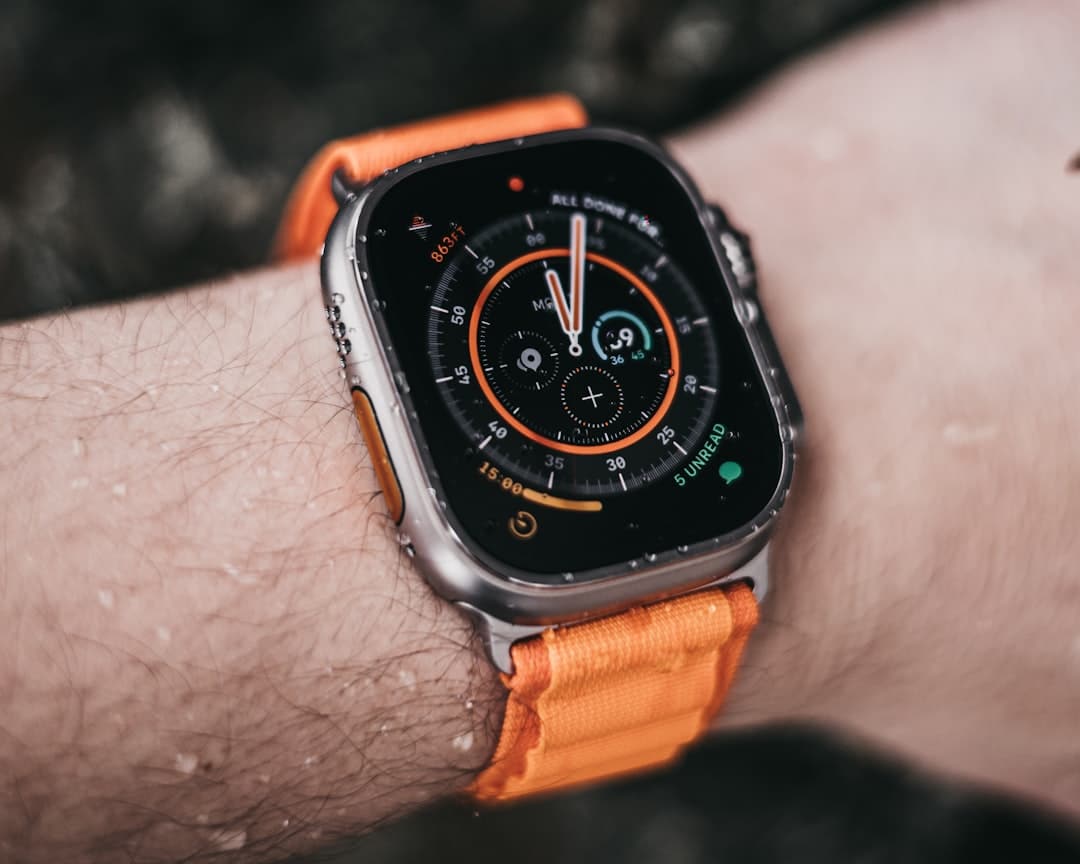
Wearable technology has become a significant innovation across multiple industries, with healthcare applications leading its adoption. Devices including smartwatches, fitness trackers, and health monitoring equipment have experienced widespread consumer acceptance, allowing users to monitor physical activity levels, heart rate, sleep quality, and additional physiological indicators.
Insurance companies are increasingly acknowledging these devices’ capacity to generate real-time health data that can improve risk evaluation processes, enhance patient participation, and contribute to improved health outcomes. The convergence of wearable technology and health insurance creates opportunities for both consumers and insurance providers. As individuals adopt more active approaches to health management, insurers can utilize wearable-generated data to customize insurance policies, promote healthy lifestyle choices, and decrease expenses related to chronic disease management.
This transition toward data-driven health insurance practices reflects a larger movement toward personalized medicine, where treatment and prevention approaches are individualized according to specific health characteristics. The incorporation of wearable technology into health insurance represents more than a temporary development; it constitutes a fundamental transformation in healthcare delivery and financing methods.
Key Takeaways
- Wearable technology is increasingly influencing health insurance by providing real-time health data.
- Insurers benefit from wearable tech through improved risk assessment and personalized health plans.
- Challenges include data privacy concerns and the integration of wearable data into existing insurance systems.
- Successful case studies demonstrate wearable tech’s potential to reduce costs and improve patient outcomes.
- The future of health insurance is likely to be shaped by advancements in wearable technology and robust data privacy measures.
How Wearable Tech is Changing Health Insurance
The integration of wearable technology into health insurance is fundamentally altering the way insurers assess risk and engage with policyholders. Traditionally, health insurance relied heavily on historical data and demographic information to determine premiums and coverage options. However, with the advent of wearables, insurers now have access to real-time health data that can provide a more nuanced understanding of an individual’s health status.
For instance, a fitness tracker that monitors daily activity levels can help insurers identify policyholders who are actively maintaining a healthy lifestyle, potentially leading to lower premiums for those individuals. Moreover, wearable tech facilitates continuous monitoring of chronic conditions such as diabetes or hypertension. Devices equipped with sensors can track blood glucose levels or blood pressure in real time, allowing for timely interventions when readings fall outside of normal ranges.
This proactive approach not only enhances patient care but also reduces the financial burden on insurers by preventing costly hospitalizations and emergency interventions. As a result, insurers are beginning to offer incentives for policyholders who utilize wearable devices, creating a symbiotic relationship where both parties benefit from improved health outcomes.
The Benefits of Wearable Tech for Health Insurance
The benefits of integrating wearable technology into health insurance are manifold, extending beyond mere cost savings for insurers. One significant advantage is the enhancement of preventive care. By encouraging policyholders to engage with their health data through wearables, insurers can promote healthier lifestyles and reduce the incidence of preventable diseases.
For example, many insurance companies now offer discounts or rewards for individuals who meet specific fitness goals tracked by their devices. This not only motivates individuals to stay active but also fosters a culture of wellness that can lead to long-term health improvements. Additionally, wearable tech can improve patient engagement and communication between insurers and policyholders.
With access to real-time data, insurers can provide personalized feedback and support tailored to individual health needs. For instance, if a wearable device indicates that a user has been inactive for an extended period, the insurer might reach out with resources or programs designed to encourage physical activity.
The Challenges of Integrating Wearable Tech into Health Insurance
Despite the promising benefits of wearable technology in health insurance, several challenges must be addressed for successful integration. One significant hurdle is the issue of data accuracy and reliability. While wearables can provide valuable insights into an individual’s health, the data generated is not always precise.
Variability in device performance and user compliance can lead to discrepancies in the information collected. Insurers must navigate these challenges to ensure that they are making decisions based on accurate and reliable data. Another challenge lies in the regulatory landscape surrounding wearable technology and health data.
The collection and use of personal health information raise important questions about privacy and security. Insurers must comply with regulations such as the Health Insurance Portability and Accountability Act (HIPAA) in the United States, which governs how personal health information is handled. Ensuring that data collected from wearables is stored securely and used ethically is paramount to maintaining consumer trust.
Additionally, as technology evolves rapidly, regulators may struggle to keep pace with new developments in wearable tech, leading to potential gaps in oversight.
The Future of Wearable Tech and Health Insurance
| Metric | Description | Impact on Health Insurance | Example Data |
|---|---|---|---|
| Wearable Adoption Rate | Percentage of insured individuals using wearable health devices | Higher adoption can lead to more personalized insurance plans and risk assessments | 35% of policyholders use wearables |
| Average Daily Steps | Average number of steps recorded per day by wearable users | Used to assess physical activity levels and adjust premiums accordingly | 7,500 steps/day |
| Heart Rate Variability (HRV) | Measurement of variation in time between heartbeats | Indicator of stress and cardiovascular health, influencing risk profiles | Average HRV: 55 ms |
| Sleep Quality Score | Assessment of sleep duration and restfulness from wearable data | Better sleep scores linked to lower health risks and potential premium discounts | Average score: 78/100 |
| Claims Reduction | Percentage decrease in insurance claims due to proactive health monitoring | Wearables help reduce claims by encouraging healthier behaviors | 12% reduction in claims |
| Policyholder Engagement | Frequency of interaction with insurance wellness programs via wearables | Higher engagement improves health outcomes and lowers insurer risk | 70% active participation rate |
| Cost Savings for Insurers | Reduction in healthcare costs attributed to wearable-driven interventions | Enables insurers to offer competitive pricing and invest in preventive care | 8% annual cost savings |
Looking ahead, the future of wearable technology in health insurance appears promising but will require ongoing innovation and adaptation. As technology continues to advance, we can expect wearables to become even more sophisticated, incorporating features such as artificial intelligence (AI) and machine learning algorithms that can analyze data patterns more effectively. This evolution could lead to more accurate risk assessments and personalized insurance products tailored to individual needs.
Moreover, the integration of wearables with telehealth services is likely to become more prevalent. As remote healthcare becomes increasingly accepted, wearables can play a crucial role in facilitating virtual consultations by providing healthcare providers with real-time data on patients’ conditions. This synergy between wearable tech and telehealth could enhance patient monitoring and improve access to care, particularly for individuals living in remote areas or those with mobility challenges.
The Role of Data Privacy in Wearable Tech and Health Insurance
Data privacy is a critical concern at the intersection of wearable technology and health insurance. As insurers collect vast amounts of personal health information through wearables, ensuring the security of this data becomes paramount. Consumers are increasingly aware of the potential risks associated with sharing their health data, leading to heightened scrutiny regarding how this information is used and protected.
Insurers must implement robust cybersecurity measures to safeguard sensitive data from breaches or unauthorized access. Furthermore, transparency in data usage is essential for building trust between insurers and policyholders. Insurers should clearly communicate how data collected from wearables will be used, whether for underwriting purposes or wellness programs.
Providing policyholders with control over their data—such as options to opt-in or opt-out of certain data-sharing practices—can empower consumers and foster a sense of ownership over their health information.
Case Studies: Success Stories of Wearable Tech and Health Insurance
Several case studies illustrate the successful integration of wearable technology into health insurance models, showcasing the potential benefits for both insurers and policyholders. One notable example is Aetna’s partnership with Fitbit, which allows members to earn rewards for meeting fitness goals tracked by their devices. This initiative not only incentivizes healthy behaviors but also provides Aetna with valuable data on member activity levels, enabling them to tailor wellness programs accordingly.
Another compelling case is that of UnitedHealthcare’s Motion program, which encourages members to walk more by offering financial incentives based on step counts recorded by wearable devices. Participants can earn up to $1,000 annually by meeting specific activity targets. This program has demonstrated positive outcomes in terms of increased physical activity among participants while simultaneously reducing healthcare costs associated with sedentary lifestyles.
These case studies highlight how innovative approaches to integrating wearable tech into health insurance can lead to improved health outcomes while fostering stronger relationships between insurers and their members.
The Potential of Wearable Tech to Transform Health Insurance
The integration of wearable technology into health insurance holds immense potential for transforming the industry landscape. By leveraging real-time data from wearables, insurers can enhance risk assessment processes, promote preventive care, and foster greater engagement among policyholders. While challenges such as data accuracy and privacy concerns must be addressed, the benefits far outweigh the obstacles.
As we move forward into an era where personalized healthcare becomes increasingly feasible, wearable tech will play a pivotal role in shaping how individuals manage their health and interact with their insurers. The success stories emerging from early adopters serve as a testament to the transformative power of this technology in creating a more proactive approach to health management within the insurance sector. Ultimately, the collaboration between wearable tech and health insurance has the potential not only to improve individual health outcomes but also to create a more sustainable healthcare system overall.
In the context of wearable technology’s influence on health insurance, it’s interesting to consider how digital trends are shaping consumer behavior. A related article that explores the broader implications of technology in our daily lives is titled “Top Trends on YouTube 2023,” which discusses how digital platforms are evolving and impacting various industries, including health and wellness. You can read more about it here.
FAQs
What is wearable technology in the context of health insurance?
Wearable technology refers to electronic devices worn on the body that monitor and collect health-related data, such as heart rate, physical activity, sleep patterns, and other vital signs. In health insurance, these devices can provide insurers with real-time health information to assess risk and personalize insurance plans.
How does wearable tech impact health insurance premiums?
Wearable tech can influence health insurance premiums by providing data that helps insurers evaluate an individual’s health status more accurately. Policyholders who demonstrate healthy behaviors through wearable data may qualify for lower premiums or discounts, as they are considered lower risk.
Can wearable devices improve health outcomes for insured individuals?
Yes, wearable devices can encourage healthier lifestyles by tracking physical activity, sleep, and other health metrics. This continuous monitoring can motivate users to make positive changes, potentially leading to better health outcomes and reduced healthcare costs.
Are there privacy concerns related to wearable tech and health insurance?
Privacy is a significant concern, as wearable devices collect sensitive personal health data. Insurers and users must ensure that data is securely stored and shared only with consent, complying with relevant data protection regulations to prevent misuse or unauthorized access.
Do all health insurance companies use wearable technology data?
Not all health insurance companies currently use wearable technology data. Adoption varies by insurer and region, depending on regulatory frameworks, technological infrastructure, and company policies regarding data use and incentives.
What types of wearable devices are commonly used in health insurance programs?
Common wearable devices include fitness trackers, smartwatches, heart rate monitors, and specialized medical devices that track glucose levels or blood pressure. These devices collect various health metrics that insurers may use to assess risk and promote wellness.
How reliable is the data collected from wearable devices for insurance purposes?
While wearable devices provide valuable health data, their accuracy can vary based on device quality, user compliance, and environmental factors. Insurers often consider this variability when integrating wearable data into risk assessments and decision-making.
Can wearable tech lead to personalized health insurance plans?
Yes, wearable technology enables insurers to tailor health insurance plans based on individual health data, allowing for personalized premiums, coverage options, and wellness incentives that reflect the insured person’s lifestyle and health status.
What are the potential benefits for insurers using wearable technology?
Insurers can benefit from improved risk assessment, reduced claims costs, enhanced customer engagement, and the ability to offer personalized products. Wearable tech data can also support preventive care initiatives, potentially lowering overall healthcare expenses.
Are there any challenges in integrating wearable tech data into health insurance?
Challenges include data privacy concerns, ensuring data accuracy, managing large volumes of data, regulatory compliance, and addressing ethical considerations related to fairness and discrimination in insurance underwriting.