


Wearable technology has undergone substantial development over the past decade. Early devices such as fitness trackers and smartwatches were designed primarily to monitor physical activity and basic health metrics. As technological capabilities have improved, wearable devices have incorporated additional functions including sleep pattern analysis, stress level monitoring, and smartphone notification integration.
Consumer demand for wearable technology has increased alongside growing health and wellness awareness. This market trend has driven companies including Apple, Fitbit, and Garmin to develop advanced features targeting health-conscious consumers.
Notable technological additions include electrocardiogram (ECG) monitoring capabilities in smartwatches, which enable users to detect potential cardiac irregularities. These developments demonstrate the evolution of wearable technology from basic activity monitors to comprehensive personal health monitoring systems.
Key Takeaways
- Wearable technology is increasingly integrated into daily life, influencing health and wellness habits.
- Digital detoxes can improve mental clarity and reduce stress by limiting screen time and digital distractions.
- Wearable devices promote mindfulness by tracking physiological signals and encouraging mindful practices.
- While beneficial, overreliance on wearable tech for digital detox may lead to dependency or reduced self-awareness.
- The future of wearable tech holds promise for enhancing both physical health and effective digital detox strategies.
The Effects of Digital Detox
In an age where digital devices dominate our daily lives, the concept of a digital detox has gained traction as a necessary counterbalance. A digital detox involves taking a deliberate break from screens and digital devices to reduce stress and improve mental clarity. Research indicates that excessive screen time can lead to various negative outcomes, including anxiety, depression, and sleep disturbances.
By disconnecting from technology, individuals often report feeling more present and engaged in their surroundings, which can lead to improved relationships and overall well-being. The effects of a digital detox extend beyond mere psychological benefits; they can also manifest physically. Many people experience improved sleep quality after reducing their screen time, as the blue light emitted by devices can interfere with the body’s natural circadian rhythms.
Additionally, stepping away from constant notifications and social media can alleviate feelings of overwhelm and allow individuals to focus on self-care activities such as reading, exercising, or spending time with loved ones. This reconnection with the physical world often leads to a renewed sense of purpose and fulfillment that is difficult to achieve when constantly tethered to technology.
The Role of Wearable Tech in Promoting Mindfulness

Wearable technology plays a pivotal role in promoting mindfulness by providing users with tools to cultivate awareness of their physical and mental states. Many wearables come equipped with features designed to encourage mindfulness practices, such as guided breathing exercises, meditation timers, and reminders to take breaks throughout the day. For instance, devices like the Apple Watch offer mindfulness apps that prompt users to engage in short meditation sessions or breathing exercises, helping them to center themselves amidst the chaos of daily life.
Moreover, wearables can track physiological indicators of stress, such as heart rate variability and skin temperature. By monitoring these metrics, users can gain insights into their stress levels and identify triggers that may lead to anxiety or overwhelm. This data empowers individuals to take proactive steps toward managing their mental health, whether through mindfulness practices or lifestyle adjustments.
The ability to visualize one’s stress patterns over time can foster a deeper understanding of personal well-being and encourage a more mindful approach to daily challenges.
The Connection Between Wearable Tech and Mental Health
The intersection of wearable technology and mental health is an area of growing interest among researchers and healthcare professionals alike. Wearable devices have the potential to serve as valuable tools for monitoring mental health conditions such as anxiety and depression.
This information can be instrumental in managing mental health conditions by providing users with actionable insights into their emotional well-being. Furthermore, the integration of wearable tech into therapeutic practices is becoming increasingly common. Mental health professionals are exploring how data collected from wearables can inform treatment plans and enhance patient outcomes.
For instance, therapists may use data on sleep patterns or physical activity levels to tailor interventions for clients struggling with depression or anxiety. This data-driven approach not only empowers individuals to take charge of their mental health but also fosters a collaborative relationship between patients and healthcare providers.
Strategies for Using Wearable Tech to Support Digital Detox
| Metric | Description | Impact on Digital Detox | Data/Value |
|---|---|---|---|
| Average Daily Screen Time | Time spent on digital devices per day | Wearable tech can help monitor and reduce screen time | 7.5 hours (pre-wearable), 5.8 hours (post-wearable) |
| Frequency of Digital Breaks | Number of breaks taken from screens daily | Wearables prompt users to take regular breaks | 1.2 breaks/day (pre-wearable), 3.5 breaks/day (post-wearable) |
| Stress Levels | Self-reported stress measured on a scale of 1-10 | Wearables encourage mindfulness and reduce stress | 6.8 (pre-wearable), 4.3 (post-wearable) |
| Sleep Quality | Average hours of restful sleep per night | Wearables track and improve sleep hygiene | 5.9 hours (pre-wearable), 7.1 hours (post-wearable) |
| Digital Detox Duration | Average length of digital detox sessions | Wearables motivate longer detox periods | 30 minutes (pre-wearable), 1 hour 15 minutes (post-wearable) |
| User Satisfaction | Percentage of users satisfied with digital detox experience | Wearables enhance user engagement and satisfaction | 45% (pre-wearable), 78% (post-wearable) |
While wearable technology can enhance mindfulness and promote mental well-being, it is essential to approach its use mindfully, especially during a digital detox. One effective strategy is to set specific boundaries around device usage. For instance, individuals can designate certain times of the day as “tech-free” periods while still utilizing their wearables for health tracking purposes.
This allows users to benefit from the insights provided by their devices without becoming overwhelmed by constant notifications or distractions from other apps. Another strategy involves leveraging the features of wearables to facilitate a more intentional relationship with technology. Many devices offer customizable settings that allow users to limit notifications or prioritize specific alerts related to health and wellness.
By focusing on essential notifications—such as reminders for physical activity or hydration—users can maintain a connection to their health goals while minimizing the potential for digital overload. This balanced approach enables individuals to harness the benefits of wearable tech without compromising their commitment to a digital detox.
The Potential Drawbacks of Relying on Wearable Tech for Digital Detox
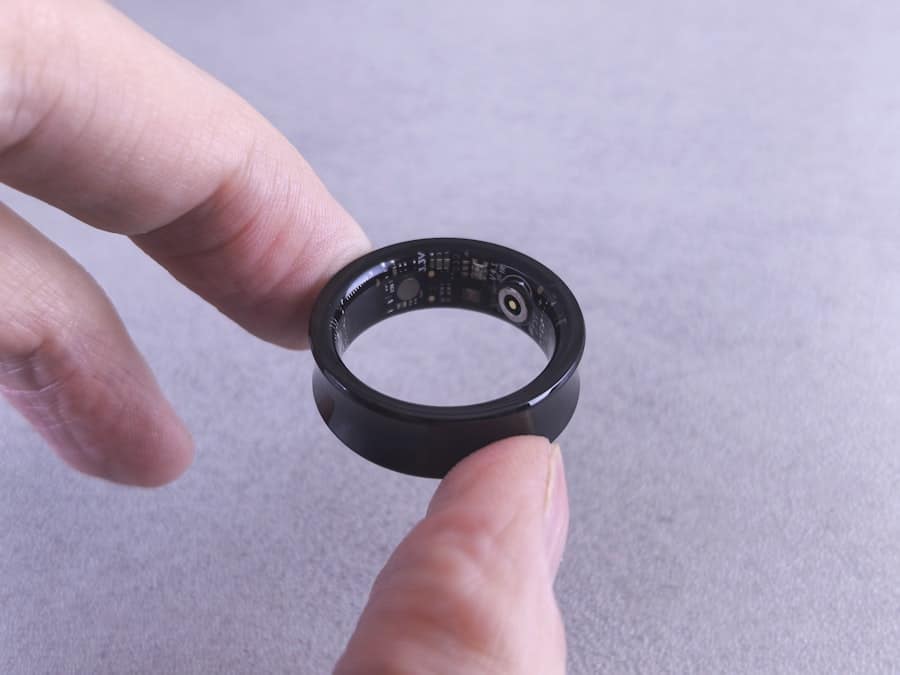
Despite the advantages that wearable technology offers in promoting mindfulness and supporting mental health, there are potential drawbacks associated with relying too heavily on these devices during a digital detox. One significant concern is the risk of becoming overly dependent on technology for self-regulation. While wearables can provide valuable insights into physical and mental well-being, they may inadvertently create a sense of obligation or pressure to constantly monitor one’s health metrics.
This pressure can lead to increased anxiety rather than alleviating it. Additionally, the constant connectivity that wearables provide can blur the lines between digital engagement and disconnection. Users may find themselves checking their devices frequently for updates on health metrics or notifications, which can detract from the very purpose of a digital detox—achieving a state of mental clarity and presence in the moment.
To mitigate these risks, it is crucial for individuals to approach wearable tech with intention and mindfulness, ensuring that it serves as a tool for enhancement rather than a source of stress.
Exploring the Relationship Between Wearable Tech and Physical Health
The relationship between wearable technology and physical health is well-documented, with numerous studies highlighting the positive impact these devices can have on fitness levels and overall well-being. Wearables such as fitness trackers have been shown to encourage users to engage in regular physical activity by providing real-time feedback on steps taken, calories burned, and exercise intensity. This immediate feedback loop fosters motivation and accountability, making it easier for individuals to set and achieve fitness goals.
Moreover, wearables can play a crucial role in chronic disease management by enabling users to monitor vital signs such as heart rate, blood pressure, and glucose levels. For individuals with conditions like diabetes or hypertension, continuous monitoring through wearable devices can lead to better management of their health status. The ability to track these metrics over time allows users to identify trends and make informed decisions about their lifestyle choices, ultimately leading to improved health outcomes.
The Future of Wearable Tech and Its Impact on Digital Detox Trends
As technology continues to advance at an unprecedented pace, the future of wearable tech holds exciting possibilities for enhancing both physical and mental well-being. Innovations such as augmented reality (AR) glasses or advanced biometric sensors could revolutionize how we interact with our environment while promoting mindfulness practices. For instance, AR glasses could provide real-time feedback on posture or breathing techniques during meditation sessions, further integrating mindfulness into daily life.
The impact of these advancements on digital detox trends is likely to be profound. As wearables become more sophisticated in tracking not only physical health but also emotional well-being, individuals may find themselves better equipped to navigate the challenges of modern life without feeling overwhelmed by technology. The key will be finding a balance between leveraging these tools for self-improvement while maintaining a commitment to disconnecting from screens when necessary.
Ultimately, the future of wearable tech promises not only enhanced health outcomes but also a more mindful approach to living in an increasingly digital world.
In the quest to understand the effects of wearable technology on our digital habits, it’s interesting to consider how these devices influence our overall tech consumption. A related article that delves into the latest innovations in technology is titled “The Best Tech Products 2023,” which highlights various gadgets that can either enhance or hinder our digital detox efforts. You can read more about it
 Are Essential for SaaS</h4>
</a>
</section>
<section class="np-next-section has-nav-thumb" >
<a href="https://enicomp.com/exploring-the-impact-of-ai-on-the-future-of-work/">
<div class="np-arrow">
<div class="aux-arrow-nav aux-hover-slide aux-outline">
<span class="aux-svg-arrow aux-medium-right"></span>
<span class="aux-hover-arrow aux-svg-arrow aux-medium-right"></span>
</div>
<img width="80" height="80" src="https://enicomp.com/wp-content/uploads/2025/12/image-351-80x80.jpg" class="auxin-attachment auxin-featured-image attachment-80x80" alt="Photo Workforce" /> </div>
<p class="np-nav-text">Next Post</p>
<h4 class="np-title">Exploring the Impact of AI on the Future of Work</h4>
</a>
</section>
</nav>
</article>
</div><!-- end content -->
</div><!-- end primary -->
<aside class="aux-sidebar aux-sidebar-primary">
<div class="sidebar-inner">
<div class="sidebar-content">
<div class="aux-widget-area"><section id="block-4" class=" aux-open widget-container widget_block">
<h2 class="wp-block-heading">POPULAR</h2>
</section><section id="block-33" class=" aux-open widget-container widget_block">
<h2 class="wp-block-heading">CATEGORIES</h2>
</section><section id="categories-3" class=" aux-open widget-container widget_categories"><h3 class="widget-title">Categories</h3>
<ul>
<li class="cat-item cat-item-162"><a href="https://enicomp.com/category/5g-wireless-communication-technologies/">5G, Wireless & Communication Technologies</a> (177)
<ul class=)