

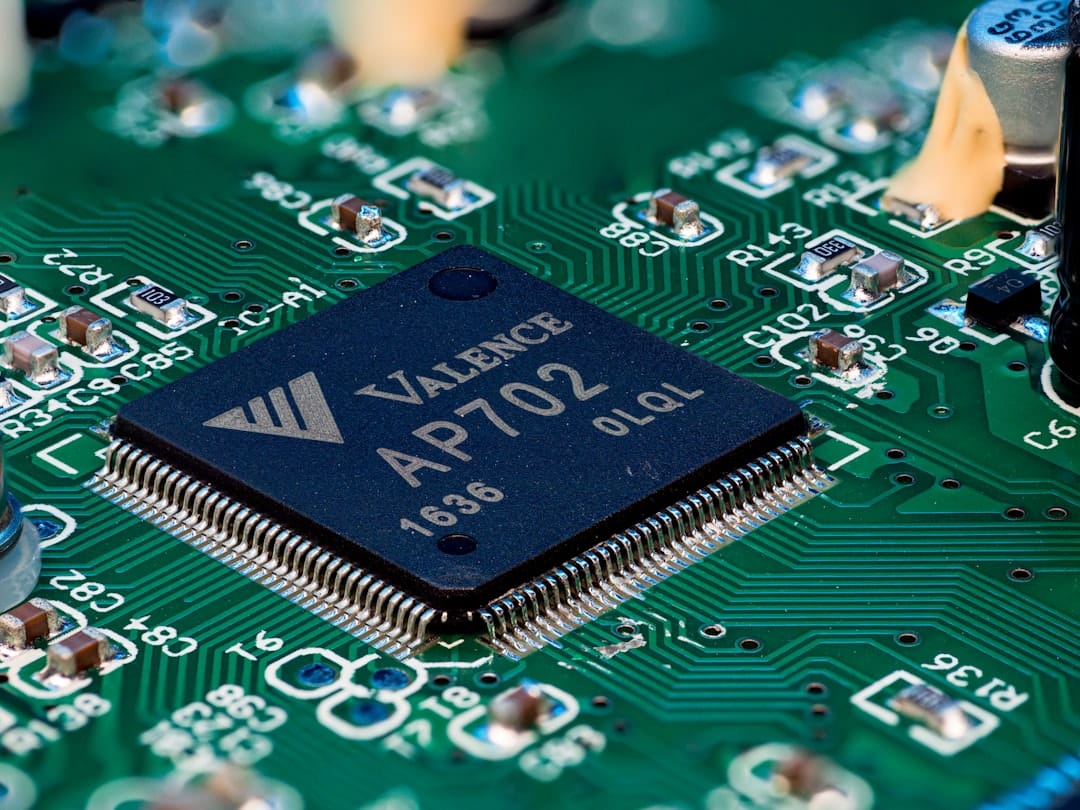
The Internet of Things (IoT) and the Metaverse represent two of the most transformative technological paradigms of the 21st century. The IoT refers to the interconnected network of physical devices that communicate and exchange data over the internet, ranging from everyday household items like smart thermostats to complex industrial machinery. This vast ecosystem enables real-time data collection and analysis, facilitating automation and enhancing user experiences across various sectors.
On the other hand, the Metaverse is an expansive digital universe that merges augmented reality (AR), virtual reality (VR), and the internet, creating immersive environments where users can interact with each other and digital objects in real-time. The convergence of these two domains is not merely a technological advancement; it represents a fundamental shift in how we perceive and interact with both the physical and digital worlds. As we delve deeper into this intersection, it becomes evident that the integration of IoT within the Metaverse has the potential to redefine user experiences, enhance interactivity, and create new economic models.
For instance, imagine a virtual shopping experience where users can try on clothes using AR while their smart mirrors provide real-time feedback based on their preferences and past purchases. This synergy between IoT devices and the Metaverse not only enriches user engagement but also opens up avenues for businesses to innovate their service delivery models. However, this convergence also raises critical questions about security, privacy, and ethical implications that must be addressed as we navigate this uncharted territory.
Key Takeaways
- IoT enhances the metaverse by connecting physical devices to virtual environments, enabling immersive experiences.
- The convergence offers new business opportunities but also presents technical and integration challenges.
- Industries can leverage this fusion for improved operations, customer engagement, and innovative services.
- Security and privacy risks increase as more devices and data become interconnected within the metaverse.
- Ethical considerations are crucial to ensure responsible development and use of IoT-metaverse technologies.
The Role of IoT in the Metaverse
The role of IoT in the Metaverse is multifaceted, serving as a backbone that supports various functionalities within this digital realm. One of the most significant contributions of IoT is its ability to provide real-time data that enhances user interactions. For example, smart home devices can relay information about a user’s preferences and habits, allowing for a more personalized experience in virtual environments.
When a user enters a virtual space, their IoT-enabled devices can communicate with the Metaverse platform to adjust settings such as lighting, temperature, or even music based on their previous interactions. This seamless integration creates a more immersive experience that feels tailored to individual users. Moreover, IoT devices can facilitate interactions between users in the Metaverse by enabling them to share real-world data in real-time.
For instance, fitness trackers can allow users to engage in virtual workouts together while sharing health metrics like heart rate or calories burned. This not only fosters community engagement but also encourages healthy competition among users. Additionally, IoT sensors embedded in physical spaces can enhance augmented reality experiences by providing contextual information about the environment.
For example, when users visit a historical site in the Metaverse, IoT devices can deliver real-time data about the location’s history or significance, enriching their understanding and engagement with the virtual content.
Opportunities and Challenges of Convergence

The convergence of IoT and the Metaverse presents a plethora of opportunities for innovation across various sectors. One notable opportunity lies in the realm of smart cities, where IoT devices can be integrated into urban planning within the Metaverse. City planners can simulate urban environments using real-time data from IoT sensors to visualize traffic patterns, energy consumption, and public safety measures.
This allows for more informed decision-making and efficient resource allocation, ultimately leading to improved quality of life for residents. Furthermore, businesses can leverage this convergence to create new revenue streams through virtual marketplaces that utilize IoT data for targeted advertising and personalized offerings. However, this convergence is not without its challenges.
With numerous manufacturers producing IoT devices and various Metaverse platforms emerging, ensuring seamless communication between these systems is crucial yet complex. Additionally, as more devices become interconnected, the potential for system failures or cyberattacks increases.
The reliance on IoT data for critical functions within the Metaverse raises concerns about data integrity and reliability. Addressing these challenges requires collaboration among stakeholders, including technology providers, policymakers, and industry leaders, to establish standards that promote compatibility and security.
Impact on Industries and Businesses
The impact of integrating IoT with the Metaverse is profound across multiple industries, fundamentally altering how businesses operate and engage with customers. In retail, for instance, brands can create immersive shopping experiences that blend physical and digital elements. Customers can explore virtual stores stocked with real products while receiving personalized recommendations based on their IoT-enabled shopping habits.
This not only enhances customer satisfaction but also drives sales through targeted marketing strategies that leverage real-time data analytics. In manufacturing, the convergence allows for enhanced operational efficiency through digital twins—virtual replicas of physical assets created using IoT data. These digital twins enable manufacturers to monitor equipment performance in real-time, predict maintenance needs, and optimize production processes within a virtual environment.
By simulating various scenarios in the Metaverse, companies can identify potential bottlenecks or inefficiencies before they occur in the physical world, ultimately reducing costs and improving productivity.
Security and Privacy Concerns
| Metric | Description | Current Value / Status | Projected Growth / Impact |
|---|---|---|---|
| Number of IoT Devices Connected | Total global IoT devices connected to networks | 14.4 billion (2023) | Expected to reach 30.9 billion by 2030 |
| Metaverse Market Size | Global market valuation of metaverse platforms and services | Estimated 60 billion | Projected to exceed 800 billion by 2030 |
| Latency Requirements | Network latency needed for seamless IoT-metaverse interaction | Below 20 milliseconds | 5G and 6G technologies aim to reduce latency to under 1 millisecond |
| Data Generated by IoT Devices | Amount of data produced daily by IoT devices | Approx. 79.4 zettabytes per year | Data volume expected to double every 3 years |
| User Engagement in Metaverse | Average daily time spent by users in metaverse environments | 1.5 hours per user | Projected to increase to 3 hours by 2028 |
| Security Incidents | Number of reported security breaches involving IoT and metaverse platforms | Over 1,200 incidents in 2023 | Increasing focus on AI-driven security solutions to reduce incidents by 40% by 2027 |
| Energy Consumption | Energy used by IoT devices and metaverse data centers | Estimated 200 terawatt-hours annually | Efforts underway to improve energy efficiency by 30% by 2030 |
As with any technological advancement, the integration of IoT into the Metaverse raises significant security and privacy concerns that must be addressed proactively. The sheer volume of data generated by interconnected devices creates vulnerabilities that malicious actors could exploit. For instance, if a user’s smart home devices are compromised, an attacker could gain access to sensitive information or even manipulate those devices to cause harm.
In a Metaverse context, such breaches could lead to unauthorized access to virtual assets or personal information shared within immersive environments. Moreover, privacy concerns are amplified as users navigate through interconnected digital spaces that collect vast amounts of personal data. The potential for surveillance increases as businesses seek to gather insights into user behavior for targeted advertising or service improvements.
Striking a balance between enhancing user experiences through data utilization while safeguarding individual privacy rights is paramount. Implementing robust encryption methods, establishing clear data usage policies, and providing users with control over their information are essential steps toward building trust in this evolving landscape.
Future Possibilities and Innovations

Looking ahead, the future possibilities arising from the convergence of IoT and the Metaverse are both exciting and transformative. One potential innovation lies in the development of fully immersive training environments for various professions. For example, medical professionals could utilize VR simulations powered by real-time data from IoT medical devices to practice surgical procedures in a risk-free environment.
This hands-on approach could significantly enhance skill acquisition and retention while reducing training costs. Additionally, advancements in artificial intelligence (AI) could further enrich user experiences within the Metaverse by enabling more sophisticated interactions with IoT devices. Imagine virtual assistants that not only respond to voice commands but also anticipate user needs based on historical data collected from various IoT sources.
Such AI-driven interactions could streamline workflows across industries while providing users with personalized support tailored to their preferences.
Ethical Considerations in the Convergence
As we explore the intersection of IoT and the Metaverse, ethical considerations become increasingly important in shaping how these technologies are developed and deployed. One pressing issue is ensuring equitable access to these innovations across different demographics. As immersive technologies become more prevalent, there is a risk that marginalized communities may be left behind due to lack of access to necessary devices or high-speed internet connectivity.
Addressing this digital divide is crucial for fostering inclusivity within the Metaverse. Furthermore, ethical dilemmas surrounding data ownership and consent must be navigated carefully. Users should have clear visibility into how their data is collected, used, and shared within interconnected systems.
Establishing transparent policies that prioritize user autonomy will be essential in building trust among consumers as they engage with both IoT devices and Metaverse platforms.
Navigating the Intersection of IoT and the Metaverse
The convergence of IoT and the Metaverse represents a frontier filled with potential for innovation across various sectors while simultaneously posing significant challenges that must be addressed thoughtfully. As we continue to explore this intersection, it is imperative for stakeholders—including technologists, policymakers, businesses, and consumers—to collaborate in shaping a future that prioritizes security, privacy, ethical considerations, and equitable access. By doing so, we can harness the transformative power of these technologies to create enriched experiences that enhance our lives while navigating the complexities inherent in this new digital landscape.
For instance, the Samsung Galaxy Tab S8 showcases powerful features that can facilitate seamless interactions within the Metaverse, making it a relevant topic for those interested in the intersection of technology and immersive environments.
FAQs
What is the Internet of Things (IoT)?
The Internet of Things (IoT) refers to a network of interconnected physical devices embedded with sensors, software, and other technologies that enable them to collect and exchange data over the internet.
What is the Metaverse?
The Metaverse is a collective virtual shared space, created by the convergence of virtually enhanced physical reality and persistent virtual environments, where users can interact with digital objects and other users in real-time.
How do IoT and the Metaverse converge?
IoT and the Metaverse converge by integrating real-world data from IoT devices into virtual environments, enabling more immersive, interactive, and context-aware experiences within the Metaverse.
What are the benefits of combining IoT with the Metaverse?
Combining IoT with the Metaverse can enhance user experiences through real-time data integration, improve virtual simulations, enable smarter environments, and facilitate new applications in areas like smart cities, healthcare, and entertainment.
What challenges exist in merging IoT with the Metaverse?
Challenges include ensuring data privacy and security, managing large volumes of data, achieving interoperability between diverse devices and platforms, and addressing latency and bandwidth requirements for real-time interactions.
Can IoT devices influence virtual environments in the Metaverse?
Yes, IoT devices can provide real-time data inputs that influence virtual environments, such as adjusting virtual settings based on physical conditions or enabling avatars to interact with real-world objects.
What industries can benefit from the convergence of IoT and the Metaverse?
Industries such as healthcare, manufacturing, retail, entertainment, smart cities, and education can benefit by leveraging enhanced data-driven virtual experiences and improved operational efficiencies.
Is the convergence of IoT and the Metaverse currently in use?
While still emerging, several pilot projects and applications are exploring the integration of IoT data into Metaverse platforms, with ongoing development aimed at broader adoption in the near future.
How does data security factor into the IoT and Metaverse convergence?
Data security is critical, as integrating IoT devices with the Metaverse increases exposure to cyber threats; robust encryption, authentication, and privacy measures are essential to protect user data and system integrity.
What role does artificial intelligence (AI) play in the convergence of IoT and the Metaverse?
AI helps process and analyze the vast amounts of data generated by IoT devices, enabling intelligent decision-making, automation, and enhanced user interactions within the Metaverse.