

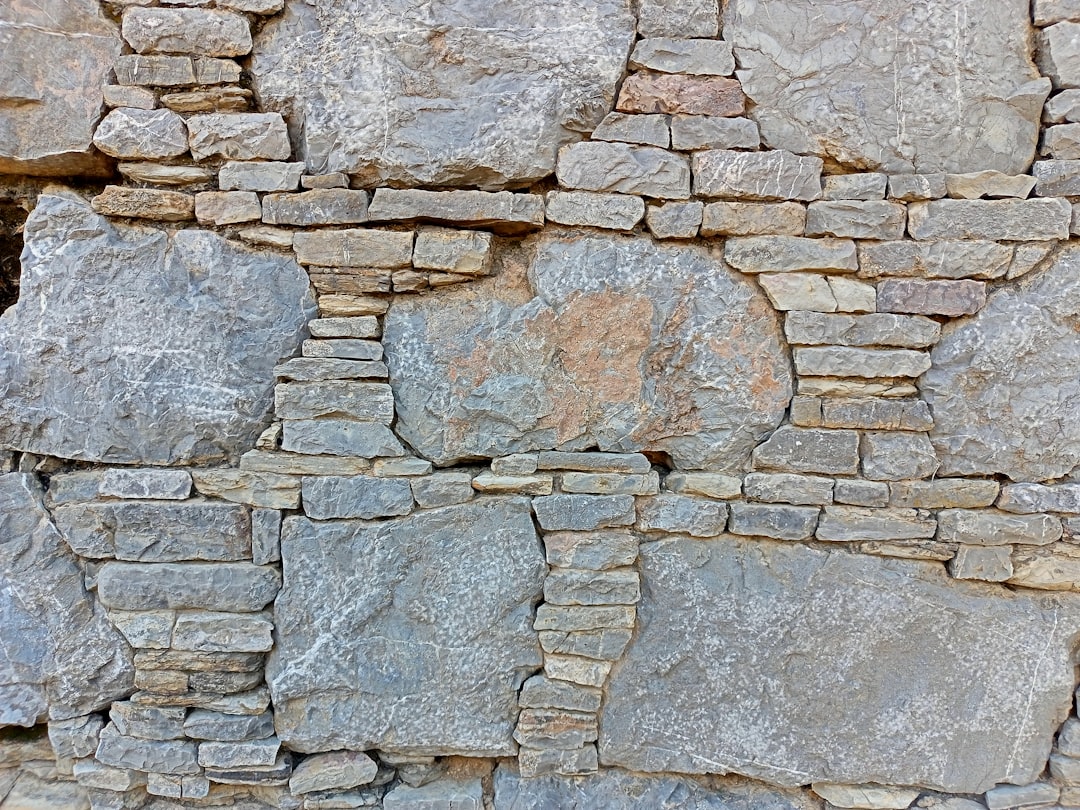
Digital heritage refers to the preservation and representation of cultural heritage through digital means. This encompasses a wide range of artifacts, including historical documents, photographs, architectural designs, and even entire landscapes that have cultural significance. As technology advances, the methods of documenting and preserving these elements have evolved, allowing for more interactive and immersive experiences. Digital heritage not only serves as a repository of knowledge but also as a bridge connecting past civilizations with contemporary society. By utilizing digital tools, researchers and historians can create a more comprehensive understanding of cultural narratives that might otherwise be lost to time.
The rise of digital heritage has been particularly significant in the context of globalization and rapid urbanization. As cities expand and populations grow, many historical sites face threats from development, neglect, and environmental changes. Digital heritage initiatives aim to counteract these threats by creating virtual representations of sites that may no longer exist in their original form. This approach not only aids in preservation but also enhances public engagement with history, allowing individuals to explore and learn about their cultural heritage in innovative ways. The integration of technology into heritage preservation is reshaping how we interact with our past and understand our identity.
Digital heritage initiatives are increasingly utilizing advanced technologies to preserve and reconstruct lost cities, particularly through virtual reality (VR) applications. A related article that explores the intersection of technology and preservation is available at this link: Ideas R Us: Software Free Studio3 to SVG Converter. This resource discusses how software tools can aid in the conversion and preservation of digital artifacts, which complements the efforts of reconstructing historical sites in VR, ensuring that cultural heritage is not only preserved but also made accessible to future generations.
Key Takeaways
- Digital heritage plays a crucial role in preserving cultural and historical knowledge.
- Virtual reality offers innovative methods to reconstruct and experience lost cities.
- Reconstructing lost cities in VR faces technical, historical, and ethical challenges.
- Successful VR case studies demonstrate the potential for immersive historical education.
- Ethical considerations are essential to ensure respectful and accurate digital preservation.
The Importance of Preserving Lost Cities
The preservation of lost cities is crucial for several reasons, primarily related to cultural identity, historical knowledge, and educational opportunities. Lost cities often hold significant archaeological and historical value, providing insights into the social, political, and economic structures of past civilizations. By studying these remnants, researchers can piece together narratives that inform our understanding of human development and societal evolution. The loss of such sites can lead to a diminished understanding of history, as well as a disconnection from cultural roots.
Moreover, preserving lost cities can foster a sense of identity among communities. Many modern societies are built upon the foundations of ancient civilizations, and recognizing this lineage can strengthen cultural pride and continuity. When communities engage with their historical narratives, they are more likely to appreciate their heritage and advocate for its preservation. This connection can also promote tourism, as visitors are often drawn to sites with rich histories. Thus, the preservation of lost cities not only serves academic purposes but also has tangible benefits for local economies and community cohesion.
Utilizing Virtual Reality for Reconstruction
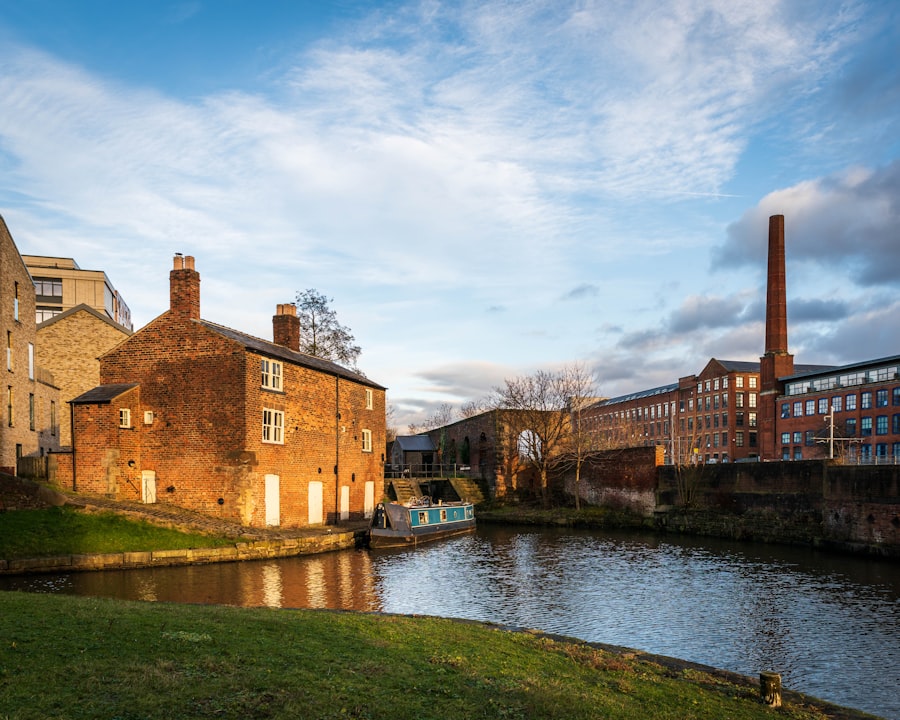
Virtual reality (VR) has emerged as a powerful tool for reconstructing lost cities, offering immersive experiences that traditional methods cannot provide. By creating detailed 3D models based on archaeological data, historians and archaeologists can transport users to these ancient environments, allowing them to explore streets, buildings, and public spaces as they might have appeared centuries ago. This technology enables a more engaging form of storytelling that can captivate audiences and enhance their understanding of historical contexts.
The use of VR in reconstructing lost cities also facilitates collaboration among various disciplines. Architects, historians, archaeologists, and artists can work together to create accurate representations that reflect both the physical attributes of the sites and the cultural practices of their inhabitants. This interdisciplinary approach not only enriches the reconstruction process but also ensures that multiple perspectives are considered in the portrayal of these historical environments. As a result, VR becomes a platform for dialogue and exploration, fostering a deeper appreciation for the complexities of human history.
Challenges in Reconstructing Lost Cities in VR
Despite its potential, reconstructing lost cities in virtual reality presents several challenges. One significant issue is the availability and accuracy of data. Archaeological sites often yield incomplete information due to erosion, destruction, or limited excavation efforts. This lack of comprehensive data can hinder the creation of accurate models, leading to representations that may misinform users about the actual historical context. Researchers must navigate these gaps carefully, balancing artistic interpretation with scholarly rigor to produce credible reconstructions.
Another challenge lies in the technological limitations associated with VR development. Creating high-quality virtual environments requires substantial resources, including skilled personnel and advanced software tools. Additionally, ensuring accessibility for diverse audiences is crucial; not everyone has access to VR equipment or the technical skills to navigate complex virtual spaces. Developers must consider these factors when designing experiences that aim to educate and engage a broad range of users. Addressing these challenges is essential for maximizing the impact of VR reconstructions in the field of digital heritage.
In the realm of digital heritage, the innovative use of virtual reality for reconstructing lost cities has gained significant attention for its potential in preservation efforts. A fascinating article that delves into the latest advancements in technology can be found here, where it explores how immersive experiences can enhance our understanding of historical sites. This approach not only aids in the conservation of cultural heritage but also engages a broader audience in appreciating the significance of these ancient locations. For those interested in the intersection of technology and history, the insights provided in the article are invaluable. You can read more about it in this related article.
Case Studies of Successful VR Reconstructions
| Metric | Description | Example Value | Unit |
|---|---|---|---|
| Number of Lost Cities Digitally Reconstructed | Total count of ancient or lost cities recreated in VR environments | 15 | Cities |
| Average Reconstruction Time | Time taken to digitally reconstruct a city from archaeological data | 8 | Months |
| Data Sources Used | Types of data integrated for reconstruction (e.g., LIDAR, Photogrammetry, Historical Maps) | 3 | Types |
| VR User Engagement | Average time users spend exploring reconstructed cities in VR | 45 | Minutes per session |
| Preservation Accuracy | Degree to which the VR reconstruction matches historical and archaeological records | 92 | Percent (%) |
| Number of Collaborating Institutions | Universities, museums, and research centers involved in projects | 10 | Institutions |
| VR Platform Compatibility | Number of VR hardware platforms supported (e.g., Oculus, HTC Vive, Valve Index) | 4 | Platforms |
| Public Accessibility | Percentage of reconstructions available for public use or education | 75 | Percent (%) |
Several successful case studies illustrate the potential of virtual reality in reconstructing lost cities. One notable example is the reconstruction of Pompeii, which was buried under volcanic ash in 79 AD. Using advanced imaging techniques and archaeological data, researchers have created an immersive VR experience that allows users to explore the city as it was before the eruption. This project not only provides insights into daily life in ancient Rome but also highlights the importance of preserving such sites for future generations.
Another significant case is the virtual reconstruction of the ancient city of Carthage in Tunisia. Through collaboration between historians and technologists, a detailed 3D model was developed that showcases key structures such as temples, harbors, and residential areas. This project has been instrumental in educating both locals and tourists about Carthage’s historical significance while promoting interest in archaeological research. These case studies demonstrate how VR can effectively bring lost cities back to life, fostering a deeper understanding of our shared heritage.
In the realm of digital heritage, the innovative use of virtual reality for reconstructing lost cities has opened up new avenues for preservation and education. A fascinating article that explores the intersection of technology and heritage can be found here, where it discusses how advancements in devices like the Samsung Galaxy Chromebook 4 are enhancing the experience of digital reconstruction. By leveraging such technology, researchers and enthusiasts alike can delve deeper into the rich histories of ancient civilizations, ensuring that their legacies are not forgotten.
The Future of Digital Heritage and VR Preservation
The future of digital heritage is likely to be shaped by ongoing advancements in technology and an increasing recognition of its importance in cultural preservation. As VR technology continues to evolve, we can expect more sophisticated reconstructions that offer even greater levels of interactivity and realism. Innovations such as augmented reality (AR) may also play a role in enhancing user experiences by overlaying digital information onto physical sites, allowing visitors to engage with history in real-time.
Furthermore, as awareness grows regarding the fragility of cultural heritage sites due to climate change and urban development, there will be an increased emphasis on digital preservation methods. Institutions may prioritize funding for digital heritage projects that utilize VR and other technologies to safeguard historical narratives for future generations. Collaborative efforts among governments, academic institutions, and private organizations will be essential in driving these initiatives forward, ensuring that our understanding of history remains dynamic and accessible.
Ethical Considerations in Digital Heritage
As digital heritage projects expand, ethical considerations become increasingly important.
One major concern is the representation of cultures that may not have had a voice in the reconstruction process.
It is essential for creators to engage with local communities and stakeholders when developing VR experiences related to their heritage. This collaboration helps ensure that representations are respectful and accurate while honoring the perspectives of those whose histories are being portrayed.
Additionally, issues surrounding ownership and access must be addressed. Digital heritage projects often involve sensitive materials that may belong to specific communities or cultures. Establishing clear guidelines regarding intellectual property rights and access to digital resources is crucial for fostering trust between researchers and communities. By prioritizing ethical practices in digital heritage initiatives, we can create more inclusive narratives that reflect the diverse tapestry of human history.
The Impact of VR Preservation on Future Generations
The integration of virtual reality into digital heritage preservation has the potential to significantly impact future generations’ understanding of history and culture. By providing immersive experiences that bring lost cities back to life, VR can foster a deeper appreciation for our shared past while encouraging curiosity about different cultures. As technology continues to advance, these experiences will likely become more accessible and engaging, allowing broader audiences to connect with their heritage.
Ultimately, the preservation of lost cities through digital means serves not only as a safeguard against historical erasure but also as an educational tool that can inspire future generations. By engaging with history in innovative ways, individuals can develop a greater sense of identity and responsibility toward preserving cultural heritage for years to come. The ongoing efforts in this field will play a crucial role in shaping how we understand our past and navigate our collective future.
FAQs
What is digital heritage in the context of lost cities?
Digital heritage refers to the use of digital technologies, such as 3D modeling and virtual reality (VR), to document, preserve, and reconstruct historical sites and lost cities. This approach helps safeguard cultural heritage by creating detailed virtual representations that can be studied and experienced even if the physical sites are damaged or inaccessible.
How does VR help in reconstructing lost cities?
Virtual reality allows researchers and the public to immerse themselves in accurate, interactive 3D reconstructions of lost cities. By combining archaeological data, historical records, and advanced visualization techniques, VR recreates the spatial and cultural context of these sites, enabling exploration and education without physical restoration.
What technologies are commonly used in digital heritage projects?
Common technologies include 3D laser scanning (LiDAR), photogrammetry, geographic information systems (GIS), and VR platforms. These tools capture precise measurements and images of existing ruins or artifacts, which are then processed to build detailed digital models for reconstruction and preservation.
Why is preserving lost cities digitally important?
Digital preservation protects cultural heritage from threats like natural disasters, urban development, and decay over time. It also democratizes access to historical sites, allowing people worldwide to experience and learn about lost cities, fostering greater appreciation and support for heritage conservation.
Who benefits from digital reconstructions of lost cities?
Archaeologists, historians, educators, students, and the general public benefit from digital reconstructions. Researchers gain new insights through virtual analysis, educators can create engaging learning experiences, and the public can explore and connect with cultural heritage that might otherwise be inaccessible.