

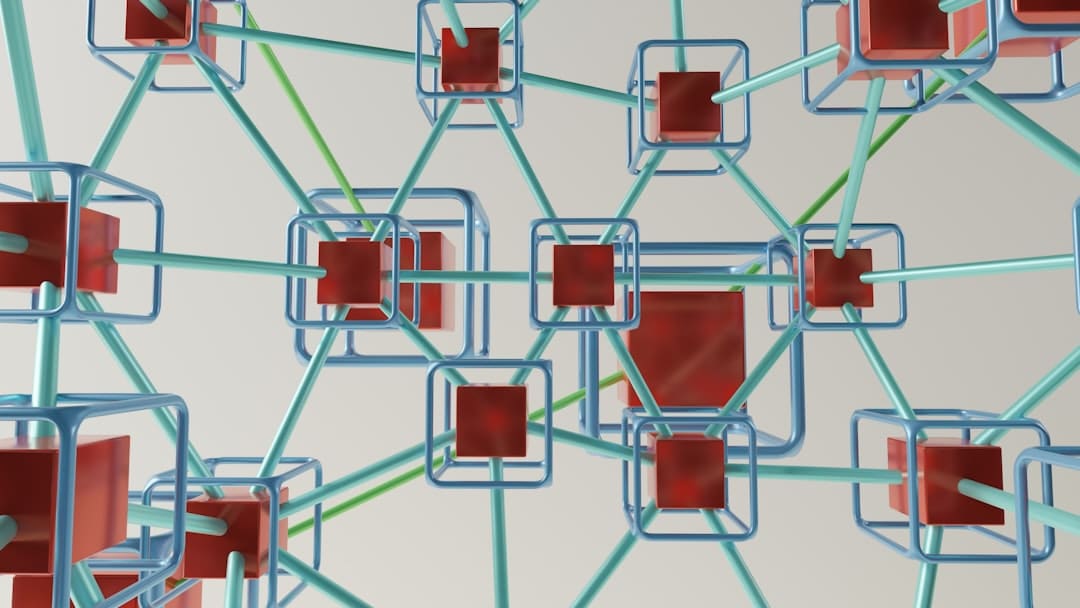
Decentralized social graphs represent a shift in how online relationships and connections are structured. Unlike traditional social networks, which rely on centralized servers to manage user data and interactions, decentralized social graphs distribute this information across a network of nodes. This architecture allows users to maintain control over their data and connections, reducing the risk of censorship and data exploitation by a single entity. The concept is rooted in the principles of decentralization, which advocate for a more democratic and user-centric approach to online interactions.
At the core of decentralized social graphs is the idea that users should own their social connections. This ownership extends beyond mere access to data; it encompasses the ability to manage, share, and even monetize one’s relationships. By leveraging decentralized technologies, users can create a more resilient and transparent social network that aligns with their values. This model not only enhances user autonomy but also fosters innovation in how social interactions are facilitated online.
In the evolving landscape of online interactions, the concept of decentralized social graphs is gaining traction as a means to empower users by allowing them to own their connections and data. A related article that delves into the implications of user autonomy in digital spaces can be found at Screpy Reviews 2023, which discusses various tools and platforms that prioritize user control and privacy, aligning with the principles of decentralized networks. This exploration highlights the importance of fostering environments where individuals can manage their online relationships without the constraints imposed by traditional social media platforms.
Key Takeaways
- Decentralized social graphs give users control over their online connections, enhancing privacy and ownership.
- Blockchain technology underpins decentralized social graphs, ensuring security and transparency.
- Users benefit from increased empowerment and data portability across platforms.
- Privacy and security are central challenges addressed by decentralized social graph designs.
- Despite challenges, decentralized social graphs represent the future of social networking with growing adoption opportunities.
The Benefits of Owning Your Connections Online
Owning one’s connections online offers several advantages that traditional social networks often overlook.
One significant benefit is the enhanced control users have over their personal data.
In centralized systems, user information is typically stored on corporate servers, making it vulnerable to breaches and misuse. In contrast, decentralized social graphs allow individuals to store their data securely on their devices or in distributed networks, minimizing the risk of unauthorized access.
Another advantage is the potential for greater privacy. Users can choose what information to share and with whom, reducing the likelihood of unwanted exposure. This level of control can lead to more meaningful interactions, as users can engage with others based on mutual interests rather than algorithm-driven suggestions. Furthermore, owning connections can empower users to curate their online experiences, fostering communities that reflect their values and preferences.
How Decentralized Social Graphs Empower Users
Decentralized social graphs empower users by providing them with tools to manage their online identities and relationships effectively. Users can create profiles that reflect their true selves without the constraints imposed by centralized platforms. This freedom encourages authenticity and allows individuals to connect with others who share similar interests or goals. As a result, decentralized networks can cultivate more genuine interactions, leading to stronger community bonds.
Moreover, decentralized social graphs facilitate interoperability between different platforms. Users can move their connections and content across various services without losing their social capital. This flexibility contrasts sharply with traditional networks, where switching platforms often means starting from scratch. By enabling seamless transitions between services, decentralized social graphs encourage innovation and competition among platforms, ultimately benefiting users.
The Role of Blockchain Technology in Decentralized Social Graphs
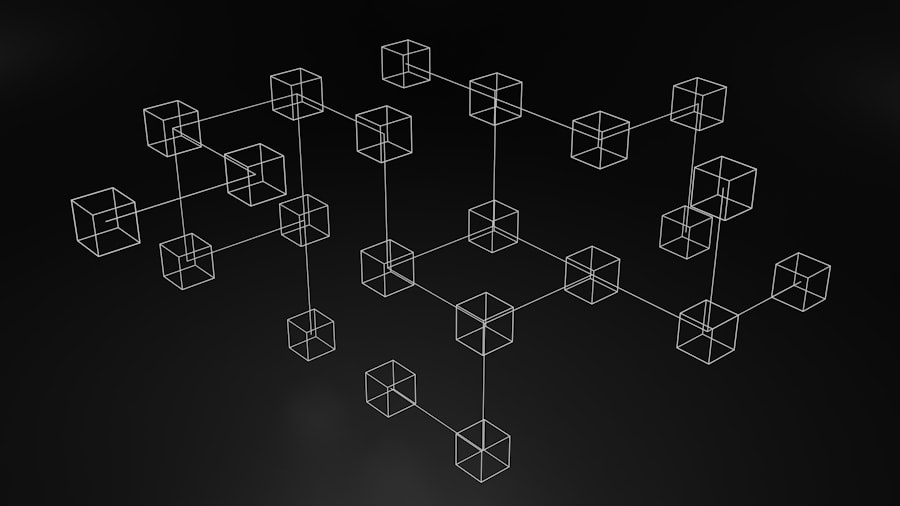
Blockchain technology plays a crucial role in the development and functionality of decentralized social graphs. By utilizing blockchain’s distributed ledger system, these networks can ensure transparency and security in user interactions. Each connection and transaction is recorded on the blockchain, creating an immutable history that can be audited by users. This transparency fosters trust among participants, as they can verify the authenticity of connections and content.
Additionally, blockchain enables the creation of smart contracts that automate various processes within decentralized social graphs. For instance, users can establish agreements regarding data sharing or monetization without relying on intermediaries. This capability not only streamlines interactions but also opens up new revenue streams for content creators and service providers. As blockchain technology continues to evolve, its integration into decentralized social graphs is likely to enhance their functionality and appeal.
Decentralized social graphs are revolutionizing the way we think about online connections and personal data ownership. As individuals seek more control over their digital identities, understanding the tools available for creative expression becomes essential. For those interested in exploring innovative software that can enhance their online presence, a related article discusses the best options for 2D animation, which can be a powerful medium for storytelling and engagement. You can read more about it in this insightful piece on here.
The Future of Decentralized Social Graphs
The future of decentralized social graphs appears promising as more individuals seek alternatives to traditional social networks. As awareness of data privacy issues grows, users are increasingly inclined to explore platforms that prioritize ownership and control over their connections. This trend may lead to a proliferation of decentralized applications (dApps) that cater to diverse interests and communities.
Furthermore, advancements in technology will likely enhance the functionality of decentralized social graphs. Innovations in blockchain scalability, interoperability, and user experience will contribute to the development of more robust platforms.
As these technologies mature, they may attract a broader audience, including those who have previously been hesitant to adopt decentralized solutions.
Challenges and Limitations of Decentralized Social Graphs
Despite their potential benefits, decentralized social graphs face several challenges and limitations that must be addressed for widespread adoption. One significant hurdle is the complexity of user experience. Many decentralized platforms require a certain level of technical knowledge to navigate effectively, which can deter less tech-savvy individuals from participating. Simplifying user interfaces and providing educational resources will be essential for fostering broader engagement.
Additionally, the lack of established standards for decentralized social graphs poses challenges for interoperability between different platforms. Without common protocols, users may find it difficult to transfer their connections or content across services seamlessly. Developing industry-wide standards will be crucial for ensuring that decentralized social graphs can function cohesively and provide a seamless experience for users.
How to Get Started with Decentralized Social Graphs
Getting started with decentralized social graphs involves several steps that can help users navigate this emerging landscape effectively. First, individuals should familiarize themselves with the various platforms available in the decentralized space. Researching different options will allow users to identify services that align with their interests and values.
Once a suitable platform is chosen, users should create an account and begin building their profiles. This process often involves connecting with others who share similar interests or goals within the network. Engaging with communities and participating in discussions can enhance the overall experience and foster meaningful connections.
In conclusion, decentralized social graphs represent a significant evolution in how individuals interact online. By prioritizing user ownership and control over connections, these networks offer a compelling alternative to traditional social media platforms. While challenges remain, the potential benefits of enhanced privacy, security, and empowerment make decentralized social graphs an area worth exploring for those seeking a more equitable online experience.
FAQs
What is a decentralized social graph?
A decentralized social graph is a network structure where users control their own social connections and data, rather than relying on a central platform or company to manage and store this information.
How does owning your connections online benefit users?
Owning your connections online gives users greater privacy, control over their data, and the ability to move or share their social information across different platforms without losing their network.
What technologies enable decentralized social graphs?
Technologies such as blockchain, peer-to-peer networks, and decentralized identifiers (DIDs) enable the creation and management of decentralized social graphs by allowing secure, user-controlled data storage and verification.
Are decentralized social graphs compatible with existing social media platforms?
Decentralized social graphs can be designed to interoperate with existing platforms through open standards and protocols, allowing users to maintain their connections across multiple services without being locked into one provider.
What challenges exist in implementing decentralized social graphs?
Challenges include ensuring data security and privacy, achieving widespread adoption, creating user-friendly interfaces, and developing standards that enable interoperability between different decentralized systems.