

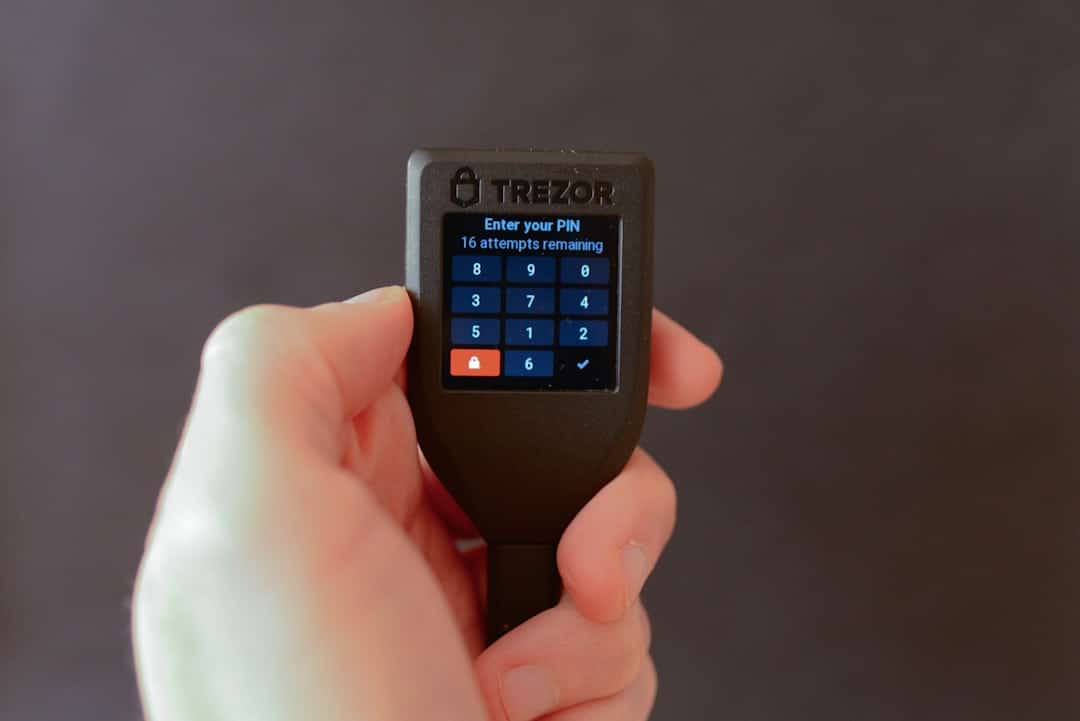
The concept of cryptocurrency wallets has undergone significant transformation since the inception of Bitcoin in 2009. Initially, wallets were simple software applications that allowed users to store, send, and receive digital currencies. These early wallets were often basic and lacked robust security features, making them vulnerable to hacking and theft. As the cryptocurrency market expanded and more digital assets emerged, the need for more sophisticated wallet solutions became apparent. This led to the development of various types of wallets, including hardware wallets, mobile wallets, and web-based wallets, each designed to cater to different user needs and preferences.
Over time, the focus on security intensified, prompting innovations in wallet technology. Hardware wallets emerged as a secure alternative, storing private keys offline and providing a higher level of protection against cyber threats. Meanwhile, software wallets began incorporating advanced encryption techniques and multi-signature functionalities to enhance security. The evolution of crypto wallets reflects not only technological advancements but also the growing awareness among users about the importance of safeguarding their digital assets. As the landscape continues to evolve, new solutions are being developed to address emerging challenges in the realm of cryptocurrency storage and management.
As the cryptocurrency landscape continues to evolve, the shift towards seedless recovery methods using Multi-Party Computation (MPC) is gaining traction among crypto wallet users. This innovative approach enhances security by eliminating the need for traditional seed phrases, which can be vulnerable to theft or loss. For those interested in exploring the latest advancements in technology, including tools that can support architects in their design processes, you might find this article on the best laptops for architects insightful. Check it out here: com/the-best-laptop-for-architects/’>The Best Laptop for Architects.
Key Takeaways
- Crypto wallets have evolved from simple key storage to advanced security solutions incorporating seedless recovery methods.
- Seedless recovery eliminates the need for traditional seed phrases, enhancing user convenience and security.
- Multi-Party Computation (MPC) plays a crucial role by distributing key management across multiple parties to prevent single points of failure.
- Combining seedless recovery with MPC offers benefits like improved security, reduced risk of key loss, and easier account recovery.
- Despite advantages, challenges such as complexity, trust assumptions, and implementation hurdles remain in adopting seedless recovery with MPC.
Understanding Seedless Recovery
Seedless recovery is a relatively new concept in the world of cryptocurrency wallets that aims to simplify the process of recovering lost or inaccessible wallets. Traditionally, users have relied on seed phrases—typically a series of 12 to 24 words—that serve as a backup for their wallet. If a user loses access to their wallet, they can use this seed phrase to restore it. However, this method has its drawbacks; users may forget their seed phrases or lose them altogether, leading to permanent loss of access to their funds.
Seedless recovery seeks to eliminate these issues by utilizing alternative methods for wallet recovery. Instead of relying on a single seed phrase, this approach often involves distributing key shares among multiple parties or devices. This means that even if one party loses access to their share, the wallet can still be recovered using the remaining shares. By decentralizing the recovery process, seedless recovery enhances security and reduces the risk of total loss due to human error or negligence. This innovative approach is gaining traction as users seek more reliable and user-friendly methods for managing their cryptocurrency assets.
The Role of Multi-Party Computation (MPC) in Crypto Wallet Security
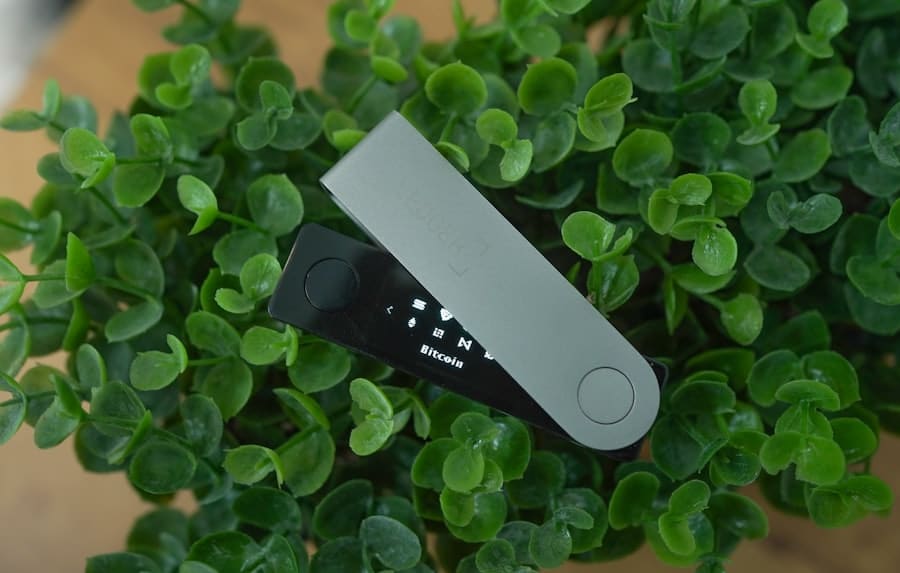
Multi-Party Computation (MPC) is a cryptographic technique that plays a crucial role in enhancing the security of crypto wallets. It allows multiple parties to jointly compute a function over their inputs while keeping those inputs private. In the context of cryptocurrency wallets, MPC can be used to generate and manage private keys without ever exposing them to any single party involved in the computation process. This significantly reduces the risk of key compromise, as no individual has access to the complete key at any given time.
The application of MPC in crypto wallets addresses several security concerns associated with traditional wallet management. For instance, it mitigates the risks associated with centralized key storage, where a single point of failure can lead to significant losses. By distributing key shares across multiple parties or devices, MPC ensures that even if one component is compromised, the overall security of the wallet remains intact. This decentralized approach not only enhances security but also aligns with the core principles of cryptocurrencies, which emphasize trustlessness and decentralization.
Benefits of Seedless Recovery with MPC
The combination of seedless recovery and Multi-Party Computation (MPC) offers several advantages for users seeking secure and efficient ways to manage their cryptocurrency assets. One of the primary benefits is enhanced security. By eliminating the reliance on a single seed phrase and distributing key shares among multiple parties, users can significantly reduce the risk of losing access to their funds due to human error or malicious attacks. This decentralized approach ensures that even if one component is compromised, the overall integrity of the wallet remains intact.
Another notable benefit is improved user experience. Traditional recovery methods often involve complex processes that can be daunting for less tech-savvy users. Seedless recovery simplifies this process by allowing users to recover their wallets through familiar interfaces without needing to remember lengthy seed phrases. This accessibility can encourage broader adoption of cryptocurrencies among individuals who may have previously been deterred by the perceived complexity of wallet management. Furthermore, as more users embrace digital currencies, solutions like seedless recovery with MPC will likely play a pivotal role in fostering confidence in cryptocurrency usage.
As the cryptocurrency landscape evolves, the concept of seedless recovery using Multi-Party Computation (MPC) is gaining traction among crypto wallet users. This innovative approach enhances security by eliminating the need for traditional seed phrases, which can be vulnerable to theft or loss. For those interested in exploring related technologies that improve data management and security, a recent article discusses the best software to clone HDD to SSD, highlighting tools that ensure data integrity during transitions.
You can read more about it in this informative piece on health management watches.
Implementing Seedless Recovery with MPC
Implementing seedless recovery using Multi-Party Computation (MPC) involves several key steps that require careful planning and execution. First, developers must design a robust architecture that facilitates secure key generation and management through MPC protocols. This includes defining how key shares will be distributed among participants and establishing rules for how these shares can be combined during recovery processes.
Next, user education becomes paramount. To ensure successful adoption of seedless recovery solutions, users must understand how these systems work and what steps they need to take in case they need to recover their wallets. Providing clear documentation and user-friendly interfaces can help demystify the process and encourage users to engage with these advanced security features confidently.
Finally, ongoing maintenance and updates are crucial for ensuring the long-term effectiveness of seedless recovery systems. As technology evolves and new threats emerge, developers must remain vigilant in updating their protocols and addressing any vulnerabilities that may arise over time. By prioritizing security and user experience throughout implementation, developers can create effective seedless recovery solutions that meet the needs of modern cryptocurrency users.
The Future of Crypto Wallet Security
The future of crypto wallet security is likely to be shaped by ongoing advancements in technology and an increasing focus on user-centric solutions. As cryptocurrencies continue to gain mainstream acceptance, the demand for secure wallet options will only grow. Innovations such as seedless recovery with Multi-Party Computation (MPC) represent just one facet of this evolving landscape, highlighting the importance of balancing security with usability.
Moreover, regulatory developments may also influence how crypto wallets are designed and operated in the future. As governments around the world establish clearer guidelines for cryptocurrency usage and security standards, wallet providers will need to adapt their offerings accordingly. This could lead to greater standardization in wallet security practices while also fostering competition among providers striving to deliver superior solutions.
Ultimately, as technology continues to advance and user needs evolve, crypto wallet security will likely become more sophisticated and accessible. The integration of innovative approaches like seedless recovery with MPC will play a vital role in shaping a secure environment for cryptocurrency transactions and storage.
Choosing the Right Crypto Wallet for You
Selecting an appropriate crypto wallet involves careful consideration of various factors tailored to individual needs and preferences. Users should first assess their level of experience with cryptocurrencies; beginners may prefer user-friendly software wallets that offer straightforward interfaces and essential features without overwhelming complexity. In contrast, more experienced users might seek advanced options such as hardware wallets or those utilizing Multi-Party Computation (MPC) for enhanced security.
Security features should also be a top priority when choosing a wallet. Users should look for options that incorporate strong encryption methods, two-factor authentication, and backup solutions like seedless recovery if they want added peace of mind regarding asset protection. Additionally, it’s essential to consider compatibility with different cryptocurrencies; some wallets support a wide range of digital assets while others may be limited to specific coins or tokens.
Ultimately, choosing the right crypto wallet requires balancing security, usability, and compatibility based on individual needs. By conducting thorough research and evaluating available options carefully, users can make informed decisions that align with their goals in managing cryptocurrency assets effectively.
FAQs
What is a crypto wallet?
A crypto wallet is a digital tool that allows users to store, send, and receive cryptocurrencies. It manages private keys, which are essential for accessing and controlling crypto assets on the blockchain.
What does seed recovery mean in crypto wallets?
Seed recovery refers to the process of restoring access to a crypto wallet using a seed phrase—a series of words generated when the wallet is created. This phrase acts as a backup to recover private keys if the wallet is lost or damaged.
What are the limitations of traditional seed phrase recovery?
Traditional seed phrases can be vulnerable to theft, loss, or human error. If someone obtains the seed phrase, they can access the wallet and its funds. Additionally, users may find seed phrases difficult to manage securely.
What is MPC in the context of crypto wallets?
MPC stands for Multi-Party Computation, a cryptographic technique that allows multiple parties to jointly compute a function without revealing their individual inputs. In crypto wallets, MPC enables secure key management without relying on a single seed phrase.
How does seedless recovery with MPC work?
Seedless recovery with MPC distributes the private key generation and signing process across multiple parties or devices. Instead of a single seed phrase, the wallet’s security depends on multiple shares, reducing the risk of a single point of failure.
What are the benefits of moving to seedless recovery with MPC?
Seedless recovery with MPC enhances security by eliminating the need for a vulnerable seed phrase, reduces the risk of theft or loss, and can improve user experience by simplifying wallet recovery processes.
Are MPC-based wallets widely available?
MPC-based wallets are becoming increasingly available as the technology matures. Several crypto wallet providers and platforms have started integrating MPC to offer enhanced security and seedless recovery options.
Is seedless recovery with MPC suitable for all users?
While MPC offers significant security advantages, it may involve more complex setup or require trust in multiple parties or devices. Users should evaluate their security needs and technical comfort before choosing an MPC-based wallet.
Can seedless recovery with MPC prevent all types of wallet loss?
While MPC reduces risks associated with seed phrase loss or theft, it does not eliminate all risks. Users must still follow best practices for device security and backup procedures to protect their crypto assets.
How does seedless recovery impact wallet backup strategies?
With seedless recovery, backup strategies shift from memorizing or securely storing a seed phrase to managing multiple key shares or devices. This can provide more flexible and secure recovery options but requires careful coordination.