

Community solar projects are initiatives that allow multiple participants to invest in or benefit from a shared solar energy system. These projects are designed to make solar energy more accessible to individuals and organizations that may not have the means or opportunity to install solar panels on their own properties. Community solar can take various forms, including solar farms, where large arrays of solar panels are installed on a piece of land, or smaller installations that serve a specific community or neighborhood. The energy generated by these systems is typically fed into the local grid, and participants receive credits or payments based on their share of the energy produced.
The concept of community solar is rooted in the idea of collective ownership and shared benefits. It allows people who may be renters, those with shaded roofs, or those who cannot afford the upfront costs of solar installations to participate in the transition to renewable energy. By pooling resources, community solar projects can achieve economies of scale, making solar energy more affordable and efficient. This model not only promotes sustainability but also fosters a sense of community among participants who share a common goal of reducing their carbon footprint and supporting clean energy initiatives.
Community solar projects are an innovative way to harness renewable energy without the need for individual roof panels, allowing participants to benefit from solar power regardless of their living situation. For those interested in exploring more about cutting-edge technology and its impact on energy consumption, a related article can be found here: Unlock the Power of the Galaxy with the Samsung Galaxy S21. This article delves into how advancements in technology, like smart devices, can enhance our interaction with energy systems and promote sustainability.
Key Takeaways
- Community solar projects allow multiple participants to share the benefits of a single solar array.
- Participants subscribe to a portion of the solar energy produced and receive credits on their electricity bills.
- Benefits include cost savings, increased access to solar energy, and environmental impact reduction.
- Getting involved typically involves subscribing through local utilities or community organizations.
- Community solar offers a more accessible alternative to rooftop solar, especially for renters and those with unsuitable roofs.
How do Community Solar Projects work?
Community solar projects operate through a subscription model, where individuals or businesses can sign up to receive a portion of the energy produced by the solar installation. Participants typically pay a monthly fee or make an upfront investment, which grants them access to the energy generated by the solar panels. The energy produced is then credited to their utility bills, allowing them to save on energy costs while supporting renewable energy generation.
The operational structure of community solar projects can vary. In some cases, a nonprofit organization or a private company manages the project, while in others, it may be a cooperative model where participants have a say in decision-making processes. The energy produced is usually measured in kilowatt-hours (kWh), and participants receive credits based on their share of the total output. This arrangement allows for flexibility, as participants can often choose how much energy they want to subscribe to, making it easier for them to align their investment with their energy needs.
Benefits of Community Solar Projects

Community solar projects offer several advantages that contribute to their growing popularity. One significant benefit is increased access to renewable energy for individuals who may not have suitable rooftops for solar panels. This inclusivity allows a broader segment of the population to participate in the clean energy transition, promoting environmental sustainability and reducing reliance on fossil fuels.
Additionally, community solar projects can lead to cost savings for participants. By sharing the costs associated with installation and maintenance, individuals can benefit from lower rates compared to traditional rooftop solar systems. Furthermore, these projects often provide predictable energy costs, shielding participants from fluctuations in utility rates. The financial benefits extend beyond individual participants; local economies can also thrive as community solar projects create jobs in installation, maintenance, and management.
How to get involved in a Community Solar Project
Getting involved in a community solar project typically begins with researching available options in one’s area. Many regions have established community solar programs, often facilitated by local utilities or nonprofit organizations. Interested individuals can start by checking with their utility provider to see if they offer community solar subscriptions or if there are any local initiatives underway.
Once potential participants identify a project that aligns with their interests, they can review the terms and conditions associated with participation. This may include understanding the financial commitments required, such as upfront payments or monthly fees, as well as the expected savings on utility bills. After selecting a project, individuals can complete the necessary paperwork to enroll and begin benefiting from the shared solar energy produced by the installation.
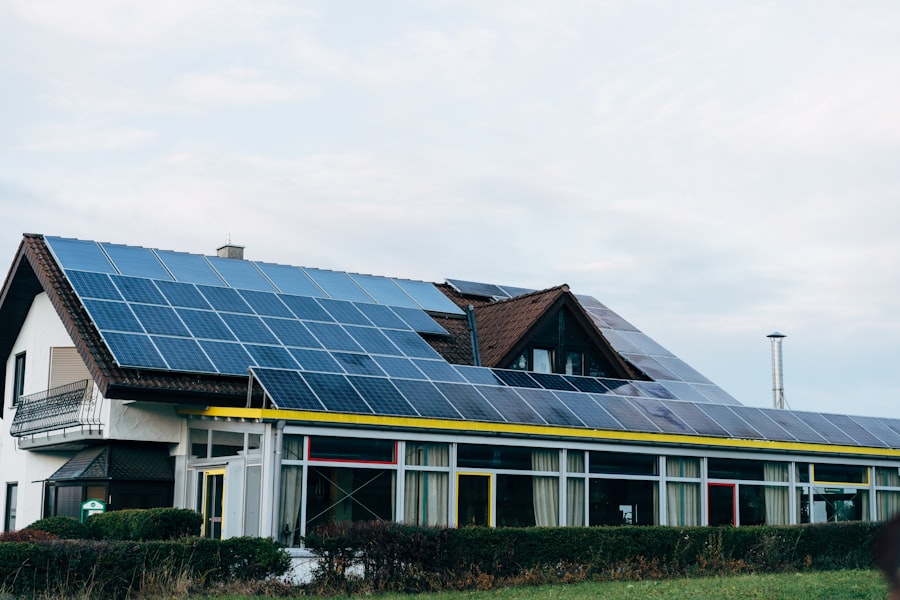
When comparing community solar projects to rooftop solar installations, several key differences emerge. Rooftop solar systems are typically installed on individual homes or businesses, allowing property owners to generate their own electricity directly from sunlight. This model provides autonomy over energy production but requires significant upfront investment and may not be feasible for everyone due to factors like roof orientation or shading.
In contrast, community solar projects offer a more inclusive approach by allowing individuals without suitable rooftops to participate in renewable energy generation. Participants in community solar do not need to worry about installation costs or maintenance responsibilities, as these are typically handled by project developers. While rooftop solar can provide immediate savings on electricity bills for homeowners, community solar projects can offer similar benefits without the need for physical infrastructure on individual properties.
Community solar projects are an innovative way to harness renewable energy without the need for individual roof panels, allowing more people to participate in the clean energy movement. These initiatives enable communities to share the benefits of solar power, making it accessible to those who may not have suitable rooftops or financial means to install solar systems. For those interested in exploring how various niches can be leveraged for sustainable practices, a related article discusses the best niche for affiliate marketing in TikTok, which can provide insights into promoting eco-friendly initiatives effectively. You can read more about it here.
Examples of successful Community Solar Projects
| Metric | Description | Typical Value/Range | Unit |
|---|---|---|---|
| Project Size | Capacity of the solar project | 50 – 500 | kW to MW |
| Number of Participants | Households or businesses sharing the solar energy | 10 – 1000 | Participants |
| Average Energy Production | Annual energy generated by the project | 100,000 – 1,000,000 | kWh/year |
| Subscription Cost | Monthly fee for participants to access solar energy | 20 – 50 | Currency units/month |
| Energy Savings | Percentage reduction in electricity bills for participants | 10 – 30 | % |
| Carbon Emission Reduction | Estimated CO2 emissions avoided annually | 50 – 500 | Metric tons/year |
| Project Lifespan | Expected operational duration of the solar project | 20 – 30 | Years |
| Location | Typical sites for community solar installations | Open fields, rooftops, parking lots | N/A |
Several successful community solar projects have emerged across various regions, showcasing the potential of this model. One notable example is the Solar Garden program in Minnesota, which has become a national leader in community solar development. This program allows residents and businesses to subscribe to local solar gardens and receive credits on their utility bills based on their share of the energy produced. The initiative has led to significant growth in renewable energy adoption and has served as a model for other states looking to implement similar programs.
Another example is the Co-op Solar program in Colorado, which enables members of local cooperatives to invest in shared solar installations. This program not only provides access to renewable energy but also fosters community engagement and education around sustainable practices. Participants benefit from reduced energy costs while supporting local economies and contributing to environmental goals.
Challenges and limitations of Community Solar Projects
Despite their advantages, community solar projects face several challenges and limitations that can hinder their growth. One significant barrier is regulatory complexity; different states have varying laws and policies regarding community solar development. Navigating these regulations can be cumbersome for project developers and may slow down the implementation process.
Additionally, financing remains a critical issue for many community solar initiatives. Securing funding for large-scale installations can be challenging, particularly in regions where financial incentives for renewable energy are limited. Without adequate funding mechanisms, projects may struggle to attract participants or achieve financial viability. Furthermore, public awareness and understanding of community solar remain limited in some areas, which can impede participation rates and overall project success.
The future of Community Solar Projects
The future of community solar projects appears promising as interest in renewable energy continues to grow. With increasing awareness of climate change and its impacts, more individuals and communities are seeking ways to reduce their carbon footprints and transition to sustainable energy sources. As technology advances and costs associated with solar installations decrease, community solar is likely to become an even more attractive option for many.
Moreover, ongoing policy developments at both state and federal levels may further support the expansion of community solar initiatives. Incentives such as tax credits and grants could encourage investment in these projects, making them more financially viable for developers and participants alike. As communities recognize the benefits of collective action in addressing climate change, community solar projects may play a crucial role in shaping a more sustainable energy landscape for future generations.
FAQs
What is a community solar project?
A community solar project is a shared solar power installation that allows multiple participants to benefit from solar energy without having to install panels on their own property. Participants typically buy or lease a portion of the solar array and receive credits on their electricity bills for the energy produced.
How do community solar projects work?
Community solar projects generate electricity from a centralized solar array. The energy produced is fed into the local grid, and participants receive credits proportional to their share of the project. These credits reduce their electricity bills, effectively allowing them to use solar energy without installing panels on their roofs.
Who can participate in community solar projects?
Anyone who pays an electricity bill and lives within the service area of the community solar project can typically participate. This includes renters, homeowners without suitable roofs for solar panels, and those who want to support renewable energy but cannot install solar panels themselves.
What are the benefits of community solar projects?
Community solar projects provide access to clean, renewable energy without the need for rooftop installations. They can lower electricity costs, increase energy independence, and reduce carbon footprints. Additionally, they make solar energy accessible to people who might not qualify for traditional solar programs.
Are there any costs or commitments involved in joining a community solar project?
Yes, participants usually pay an upfront fee or monthly subscription to buy or lease a portion of the solar array. The specific costs and contract terms vary by project. It is important to review the agreement carefully to understand any fees, contract length, and cancellation policies.