

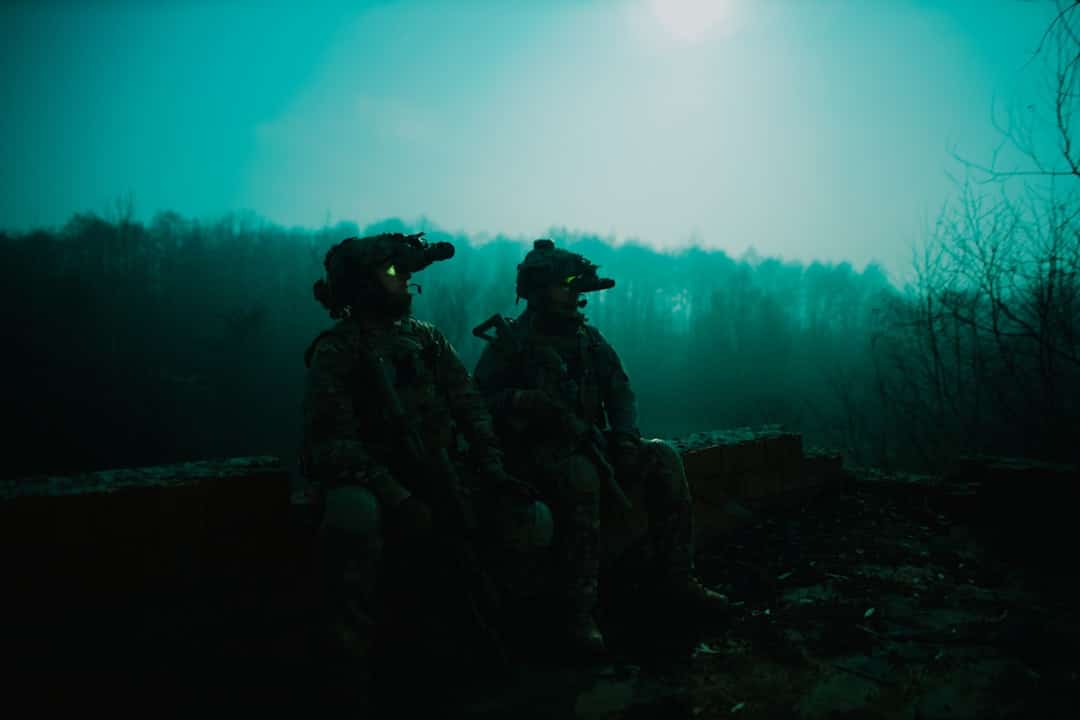
Wearable technology has become increasingly integrated into military and first responder operations, fundamentally changing operational procedures and capabilities. These devices include smartwatches, body cameras, physiological monitoring systems, and augmented reality displays that provide real-time data collection and analysis to improve situational awareness and operational effectiveness. Military organizations have historically driven technological advancement, and wearable device implementation follows this pattern.
These systems deliver critical operational information while enabling enhanced communication and coordination capabilities in high-risk operational environments. First responder agencies, including fire departments, emergency medical services, and law enforcement, utilize wearable technology to reduce response times and improve decision-making accuracy. Firefighters equipped with sensor-enabled helmets receive real-time environmental data including temperature readings, air quality measurements, and structural integrity assessments.
Emergency medical personnel employ wearable monitoring devices to continuously track patient vital signs during transport and treatment. The integration of advanced technology with operational requirements in these sectors demonstrates the significant impact of wearable systems on performance optimization and personnel safety enhancement.
Key Takeaways
- Wearables enhance situational awareness and communication for military and first responders.
- They improve safety and operational efficiency through real-time data monitoring.
- Challenges include technical limitations, data security, and user acceptance.
- Successful case studies demonstrate improved mission outcomes and responder health monitoring.
- Future developments focus on advanced sensors, AI integration, and addressing ethical/privacy concerns.
Benefits of Wearables in Military and First Responder Operations
The benefits of wearables in military and first responder operations are manifold, significantly impacting both individual performance and collective mission success. One of the primary advantages is the enhancement of situational awareness. Wearable devices can provide real-time data feeds that inform personnel about their environment, including potential threats or changes in conditions.
For example, soldiers equipped with heads-up displays can access navigation data, enemy positions, and mission-critical information without diverting their attention from their surroundings. This seamless integration of information allows for quicker decision-making and improved tactical responses. Moreover, wearables contribute to health monitoring and safety management.
In high-stress environments, understanding physiological responses is crucial. Wearable health monitors can track heart rates, body temperature, and other vital signs, alerting users to potential health issues before they escalate. For instance, during intense physical exertion, a soldier’s heart rate may spike dangerously high; a wearable device can notify them to take necessary precautions.
In the context of first responders, such monitoring can be lifesaving. A paramedic experiencing fatigue or stress can receive alerts that prompt them to take breaks or seek assistance, ultimately ensuring better patient care.
Challenges and Limitations of Wearables in Military and First Responder Operations

Despite the numerous advantages that wearables offer, several challenges and limitations must be addressed to maximize their effectiveness in military and first responder operations. One significant concern is the reliability of technology in extreme conditions. Military operations often occur in harsh environments where devices may be exposed to dust, moisture, or extreme temperatures.
If a wearable device fails due to environmental factors, it could jeopardize the safety of personnel relying on it for critical information. Another challenge lies in the integration of wearables with existing systems and protocols. Many military units and first responder organizations have established workflows that may not easily accommodate new technologies.
The introduction of wearables requires comprehensive training and adaptation to ensure that personnel can effectively utilize these tools without disrupting established procedures. Additionally, there is the risk of information overload; if wearables provide too much data without proper context or prioritization, users may struggle to discern what is most relevant during high-pressure situations.
Case Studies of Successful Implementation of Wearables in Military and First Responder Operations
Several case studies illustrate the successful implementation of wearables in military and first responder contexts, showcasing their potential to enhance operational effectiveness. One notable example is the U.S. Army’s use of the Integrated Visual Augmentation System (IVAS), which incorporates augmented reality technology into a soldier’s helmet.
This system provides soldiers with real-time battlefield information, including navigation aids and enemy locations, directly within their line of sight. Early trials have demonstrated that soldiers equipped with IVAS can make faster decisions and maintain better situational awareness compared to those without such technology. In the realm of first responders, the Los Angeles Fire Department has implemented wearable technology to improve firefighter safety and efficiency.
The department has equipped firefighters with smart helmets that feature built-in cameras and communication systems. These helmets allow for real-time video streaming back to command centers, enabling incident commanders to assess situations more accurately and allocate resources effectively. The feedback from firefighters has been overwhelmingly positive; they report feeling more connected to their teams and better informed about evolving conditions on the ground.
Impact of Wearables on Performance and Safety in Military and First Responder Operations
| Metric | Military Applications | First Responder Applications | Impact/Benefit |
|---|---|---|---|
| Wearable Devices Used | Smart helmets, biometric sensors, GPS trackers | Health monitors, location trackers, communication devices | Enhanced situational awareness and communication |
| Health Monitoring Parameters | Heart rate, body temperature, hydration levels | Heart rate, oxygen saturation, stress levels | Real-time health status for early intervention |
| Operational Duration | Up to 72 hours continuous monitoring | Up to 48 hours continuous monitoring | Extended mission support without device recharge |
| Communication Range | Up to 5 km in urban environments | Up to 3 km in disaster zones | Reliable communication in challenging conditions |
| Data Transmission Latency | Less than 100 ms | Less than 150 ms | Near real-time data sharing for quick decision-making |
| Battery Life | 24-48 hours depending on usage | 12-24 hours depending on usage | Supports long shifts and reduces downtime |
| Environmental Resistance | Waterproof, dustproof, shock-resistant | Waterproof, heat-resistant, impact-resistant | Durability in harsh operational environments |
| Number of Users Tested | 500+ soldiers in field trials | 300+ first responders in emergency drills | Validated effectiveness and usability |
The impact of wearables on performance and safety in military and first responder operations is profound. By providing immediate access to critical information, these devices enhance decision-making capabilities under pressure. For instance, soldiers equipped with wearable technology can receive updates on enemy movements or changes in mission parameters without needing to consult maps or other resources that could distract them from their immediate environment.
This capability not only improves individual performance but also fosters better coordination among team members. Safety is another paramount concern addressed by wearables. In high-risk scenarios, such as firefighting or emergency medical response, real-time health monitoring can be lifesaving.
Wearable devices that track vital signs can alert personnel to dangerous physiological changes before they become critical issues. For example, if a firefighter’s heart rate exceeds safe levels during an operation, an alert can prompt them to take a break or hydrate before continuing their work. This proactive approach to health management not only protects individual responders but also ensures that teams remain effective throughout their missions.
Future Trends and Developments in Wearables for Military and First Responder Operations

As technology continues to advance at a rapid pace, the future of wearables in military and first responder operations looks promising.
AI can enhance data analysis capabilities, allowing wearables to provide predictive insights based on real-time data collection.
For instance, AI algorithms could analyze a soldier’s physiological data alongside environmental factors to predict fatigue levels or potential health risks during missions.
As various agencies adopt different technologies, ensuring that these devices can communicate effectively with one another will be crucial for coordinated responses during emergencies or military operations.
Future wearables may incorporate standardized protocols that allow seamless data sharing across platforms, enhancing collaboration among different units or agencies.
Ethical and Privacy Considerations in the Use of Wearables in Military and First Responder Operations
The deployment of wearables in military and first responder operations raises important ethical and privacy considerations that must be carefully navigated. One primary concern is the collection and storage of sensitive data generated by these devices. Wearables often track personal health information, location data, and operational details that could be misused if not properly protected.
Ensuring robust cybersecurity measures are in place is essential to safeguard this information from unauthorized access or breaches. Additionally, there are ethical implications surrounding surveillance capabilities inherent in many wearable technologies. For instance, body cameras worn by law enforcement officers can provide valuable accountability but also raise concerns about privacy for both officers and civilians.
Striking a balance between transparency and privacy rights is critical as agencies implement these technologies. Clear policies governing data usage, retention periods, and access rights must be established to maintain public trust while leveraging the benefits of wearable technology.
Conclusion and Recommendations for the Use of Wearables in Military and First Responder Operations
The integration of wearable technology into military and first responder operations presents a transformative opportunity to enhance performance, safety, and operational efficiency. However, it is essential for organizations to approach this integration thoughtfully, addressing challenges related to reliability, training, interoperability, ethical considerations, and privacy concerns. To maximize the benefits of wearables while mitigating risks, agencies should invest in comprehensive training programs that equip personnel with the skills needed to effectively utilize these technologies.
Furthermore, establishing clear guidelines for data management will be crucial in maintaining public trust while leveraging the advantages offered by wearables. As technology continues to evolve, ongoing collaboration between developers, military leaders, first responders, and policymakers will be necessary to ensure that wearable innovations align with operational needs while respecting ethical boundaries. By embracing these recommendations, military units and first responder organizations can harness the full potential of wearable technology to improve outcomes in critical situations.
In exploring the advancements in technology for military and first responder operations, the article on the iPhone 14 Pro highlights how modern devices are enhancing communication and situational awareness in critical environments. The integration of powerful features in smartphones, such as improved cameras and processing capabilities, can complement wearable technology by providing real-time data and connectivity. For more insights, you can read the article here:
, integration with AI for predictive analytics, and more ergonomic designs for comfort and usability.</p>
<h3>Can wearables be customized for specific military or first responder needs?</h3>
<p>Yes, many wearable devices can be tailored with specialized sensors, software applications, and communication features to meet the unique requirements of different missions and operational environments.</p>
<div class="clear"></div> </div>
<footer class="entry-meta">
<div class="entry-tax"><span>Tags: No tags</span></div>
<div class="aux-single-post-share">
<div class="aux-tooltip-socials aux-tooltip-dark aux-socials aux-icon-left aux-medium aux-tooltip-social-no-text" >
<span class="aux-icon auxicon-share" ></span>
</div>
</div>
</footer>
</div>
<nav class="aux-next-prev-posts nav-skin-thumb-arrow">
<section class="np-prev-section has-nav-thumb" >
<a href="https://enicomp.com/exploring-the-impact-of-quantum-dot-technology-on-displays/">
<div class="np-arrow">
<div class="aux-hover-slide aux-arrow-nav aux-outline">
<span class="aux-svg-arrow aux-medium-left"></span>
<span class="aux-hover-arrow aux-svg-arrow aux-medium-left"></span>
</div>
<img width="80" height="80" src="https://enicomp.com/wp-content/uploads/2025/12/image-490-80x80.jpg" class="auxin-attachment auxin-featured-image attachment-80x80" alt="Photo Displays" /> </div>
<p class="np-nav-text">Previous Post</p>
<h4 class="np-title">Exploring the Impact of Quantum Dot Technology on Displays</h4>
</a>
</section>
<section class="np-next-section has-nav-thumb" >
<a href="https://enicomp.com/case-study-wearables-in-military-and-first-responder-operations-3/">
<div class="np-arrow">
<div class="aux-arrow-nav aux-hover-slide aux-outline">
<span class="aux-svg-arrow aux-medium-right"></span>
<span class="aux-hover-arrow aux-svg-arrow aux-medium-right"></span>
</div>
<img width="80" height="80" src="https://enicomp.com/wp-content/uploads/2025/12/image-493-80x80.jpg" class="auxin-attachment auxin-featured-image attachment-80x80" alt="Photo Military" /> </div>
<p class="np-nav-text">Next Post</p>
<h4 class="np-title">Case Study: Wearables in Military and First Responder Operations</h4>
</a>
</section>
</nav>
</article>
</div><!-- end content -->
</div><!-- end primary -->
<aside class="aux-sidebar aux-sidebar-primary">
<div class="sidebar-inner">
<div class="sidebar-content">
<div class="aux-widget-area"><section id="block-4" class=" aux-open widget-container widget_block">
<h2 class="wp-block-heading">POPULAR</h2>
</section><section id="block-33" class=" aux-open widget-container widget_block">
<h2 class="wp-block-heading">CATEGORIES</h2>
</section><section id="categories-3" class=" aux-open widget-container widget_categories"><h3 class="widget-title">Categories</h3>
<ul>
<li class="cat-item cat-item-162"><a href="https://enicomp.com/category/5g-wireless-communication-technologies/">5G, Wireless & Communication Technologies</a> (178)
<ul class=)