

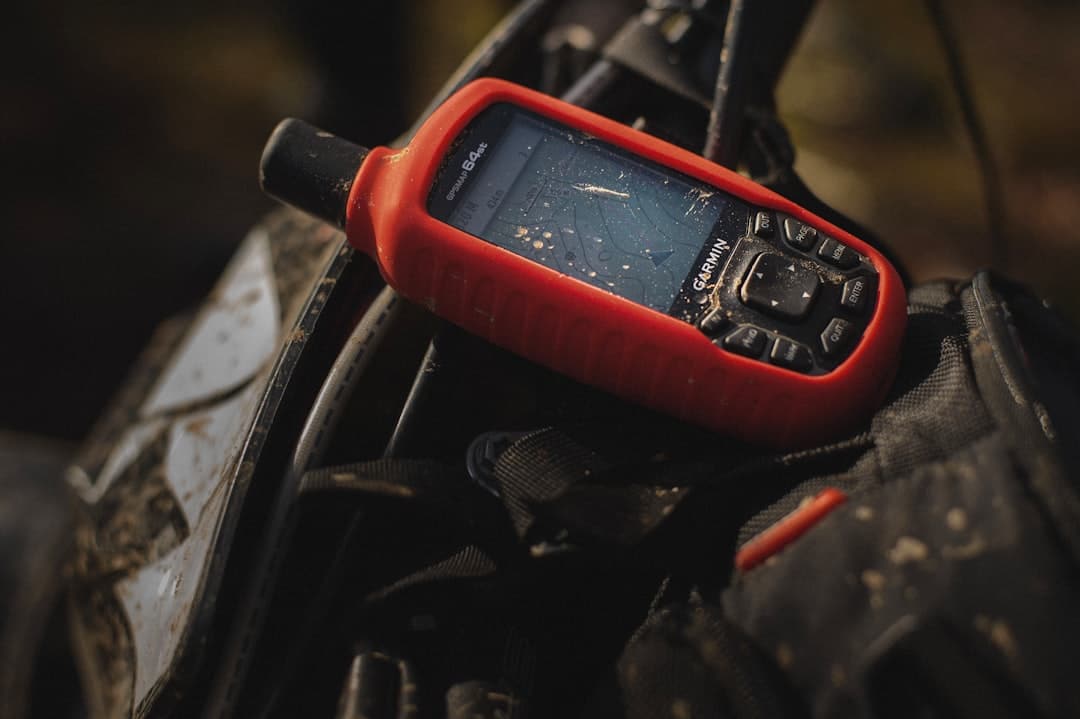
Wearable technology has significantly transformed multiple industries, including extreme sports. Athletes participating in high-risk activities such as rock climbing, snowboarding, and base jumping increasingly utilize wearable devices to improve performance and enhance safety measures. These devices range from smartwatches to specialized sensors that deliver real-time data essential for training and competitive activities.
Technology integration in extreme sports enables athletes to monitor physiological conditions and analyze performance metrics with previously unavailable precision and detail. Wearable technology in extreme sports includes various devices containing sensors that track physiological parameters such as heart rate, body temperature, and oxygen saturation levels. These devices also measure environmental factors including altitude, temperature, and humidity—critical variables for athletes operating in challenging conditions.
As technology advances, device applications continue expanding, providing athletes with detailed insights into performance and health status. This analysis examines the comprehensive role of wearable technology in extreme sports monitoring, including its advantages, limitations, and future development potential.
Key Takeaways
- Wearable technology enhances real-time monitoring and safety in extreme sports.
- Data collected from wearables provides valuable insights for performance improvement.
- Implementation case studies demonstrate practical benefits and challenges of wearable tech.
- Limitations include device durability, data accuracy, and user comfort in extreme conditions.
- Future innovations promise more advanced, integrated, and user-friendly wearable solutions.
The Benefits of Using Wearable Tech in Extreme Sports
The primary advantage of wearable technology in extreme sports lies in its ability to provide real-time feedback. Athletes can receive immediate data on their physiological state, allowing them to make informed decisions during training or competition. For instance, a mountain biker can monitor their heart rate and adjust their effort level accordingly to avoid fatigue or overexertion.
This immediate access to data can be a game-changer, particularly in high-stakes environments where every second counts. Moreover, wearable tech enhances safety by enabling athletes to track their physical limits and environmental conditions. Devices equipped with GPS can provide location tracking, which is essential for athletes venturing into remote areas.
In the event of an accident or emergency, these devices can transmit location data to rescue teams, significantly improving response times. Additionally, some wearables come with features like fall detection or emergency alerts that can automatically notify emergency services if an athlete is incapacitated. This level of safety monitoring is invaluable in extreme sports where the risk of injury is inherently high.
Case Study: Implementation of Wearable Tech in Extreme Sports Monitoring

A notable example of wearable technology’s implementation in extreme sports is the use of smart helmets in snowboarding and skiing. Companies like Livall have developed helmets that integrate Bluetooth technology, allowing riders to listen to music, communicate with peers, and receive navigation assistance through voice commands. These helmets are equipped with sensors that monitor the rider’s speed, altitude, and even the angle of their head during tricks.
This data not only enhances the riding experience but also provides valuable insights into performance metrics. In a practical application, a professional snowboarder might use such a helmet during training sessions to analyze their technique. By reviewing data on speed and angle during jumps, they can identify areas for improvement and adjust their training regimen accordingly.
Furthermore, the helmet’s built-in communication system allows for seamless interaction with coaches or teammates, facilitating real-time feedback and strategy adjustments. This case study exemplifies how wearable technology can be integrated into extreme sports to enhance both performance and safety.
Data Collection and Analysis in Extreme Sports Monitoring
The effectiveness of wearable technology in extreme sports hinges on its ability to collect and analyze vast amounts of data. These devices typically utilize a combination of sensors—such as accelerometers, gyroscopes, and heart rate monitors—to gather information about an athlete’s movements and physiological responses. For instance, a rock climber might wear a device that tracks their grip strength and body position while scaling a wall.
This data can then be analyzed to determine optimal climbing techniques or identify potential areas of weakness. Data analysis plays a crucial role in translating raw data into actionable insights. Advanced algorithms can process the collected information to generate performance reports that highlight trends over time.
For example, an athlete may notice that their heart rate spikes significantly during certain maneuvers, indicating a need for targeted conditioning in those areas. Additionally, machine learning techniques can be employed to predict performance outcomes based on historical data, allowing athletes to tailor their training programs more effectively. The integration of data collection and analysis not only enhances individual performance but also contributes to the broader understanding of athletic capabilities in extreme sports.
Challenges and Limitations of Wearable Tech in Extreme Sports Monitoring
| Metric | Description | Value | Unit | Notes |
|---|---|---|---|---|
| Heart Rate Monitoring Accuracy | Precision of wearable sensors in tracking heart rate during extreme sports | 95 | % | Compared to medical-grade ECG |
| GPS Tracking Precision | Accuracy of location tracking in rugged terrain | 3 | meters | Average deviation from actual position |
| Battery Life | Duration wearable device operates under continuous use | 18 | hours | Under active monitoring mode |
| Impact Detection Sensitivity | Ability to detect falls or collisions | 92 | % | True positive rate in simulated impacts |
| Data Transmission Latency | Time delay in sending data to monitoring system | 150 | milliseconds | Using Bluetooth Low Energy |
| Environmental Resistance | Device’s ability to withstand water, dust, and temperature extremes | IP68 | Rating | Waterproof up to 1.5m for 30 minutes |
| User Adoption Rate | Percentage of athletes using wearable tech in study | 78 | % | Among surveyed extreme sports participants |
| Average Response Time | Time taken for emergency response after incident detection | 5 | minutes | Improved by wearable alert system |
Despite the numerous advantages of wearable technology in extreme sports monitoring, several challenges and limitations persist. One significant issue is the accuracy and reliability of the data collected by these devices. In high-intensity environments where rapid movements occur, sensors may struggle to provide precise measurements.
For instance, a device designed to track heart rate may be less effective during activities that involve sudden changes in motion or position, leading to potential inaccuracies in the data. Another challenge is the durability and functionality of wearable devices under extreme conditions. Many athletes operate in environments characterized by harsh weather conditions—such as snow, rain, or extreme temperatures—that can affect the performance of electronic devices.
Water resistance and battery life are critical factors that need to be addressed for wearables to be effective in extreme sports settings. Additionally, the potential for device malfunction or failure during critical moments poses a risk that athletes must consider when relying on technology for safety and performance monitoring.
Future Developments and Innovations in Wearable Tech for Extreme Sports
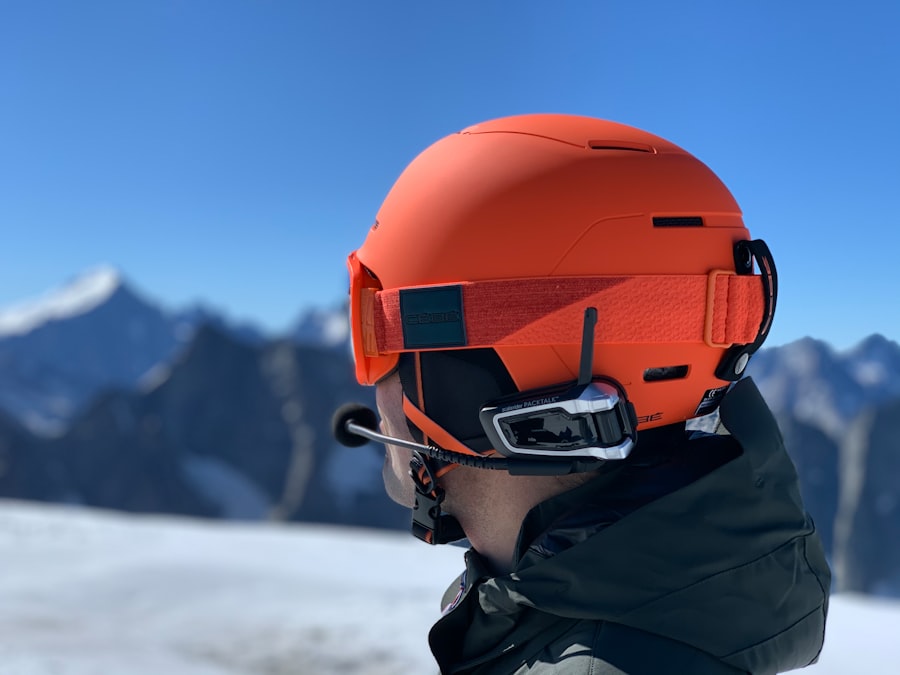
The future of wearable technology in extreme sports is poised for significant advancements as research and development continue to push the boundaries of what is possible. One promising area is the integration of artificial intelligence (AI) into wearable devices. AI algorithms can analyze data patterns more efficiently than traditional methods, providing athletes with deeper insights into their performance metrics.
For example, AI could help predict injury risks by analyzing an athlete’s movement patterns over time and identifying deviations that may indicate potential problems. Moreover, advancements in materials science may lead to the development of lighter, more durable wearables that can withstand extreme conditions without compromising functionality. Flexible electronics could enable the creation of clothing embedded with sensors that monitor physiological parameters without the bulkiness associated with traditional devices.
This innovation would allow athletes greater freedom of movement while still benefiting from continuous monitoring.
The Impact of Wearable Tech on Performance and Safety in Extreme Sports
The impact of wearable technology on performance and safety in extreme sports cannot be overstated. By providing athletes with real-time data on their physiological state and environmental conditions, these devices empower them to make informed decisions that enhance both their performance and safety. For instance, a skydiver equipped with a wearable device that monitors altitude can receive alerts when they reach critical heights, ensuring they deploy their parachute at the appropriate time.
Furthermore, the ability to analyze performance data over time fosters a culture of continuous improvement among athletes. By identifying trends and patterns in their training regimens, athletes can optimize their strategies for better outcomes. This data-driven approach not only enhances individual performance but also contributes to the overall evolution of training methodologies within extreme sports communities.
The Future of Wearable Tech in Extreme Sports Monitoring
As wearable technology continues to evolve, its role in extreme sports monitoring will likely expand further. The integration of advanced analytics, AI capabilities, and innovative materials will enhance the functionality and reliability of these devices. Athletes will benefit from more accurate data collection methods that provide deeper insights into their performance while ensuring their safety during high-risk activities.
The ongoing development of wearable tech promises not only to improve individual athletic performance but also to foster a greater understanding of human capabilities in extreme environments. As these technologies become more accessible and user-friendly, we can expect an increasing number of athletes to embrace them as essential tools for training and competition. The future holds exciting possibilities for wearable technology in extreme sports monitoring, paving the way for safer practices and enhanced athletic achievements.
In the realm of extreme sports monitoring, wearable technology has become a game-changer, providing athletes with real-time data to enhance their performance and safety. For those interested in exploring how technology is revolutionizing various fields, a related article on the best software for 3D printing can be found com/best-software-for-3d-printing/’>here.
This article delves into innovative software solutions that are shaping the future of design and manufacturing, much like wearable tech is transforming the landscape of extreme sports.
FAQs
What is wearable technology in extreme sports?
Wearable technology in extreme sports refers to electronic devices worn on the body that monitor various physical and environmental parameters. These devices track metrics such as heart rate, GPS location, altitude, speed, and other vital signs to enhance performance, safety, and training.
How does wearable tech improve safety in extreme sports?
Wearable tech improves safety by providing real-time data on an athlete’s condition and surroundings. Features like fall detection, GPS tracking, and emergency alerts enable quick response in case of accidents. Monitoring vital signs also helps prevent overexertion and related injuries.
What types of wearable devices are commonly used in extreme sports?
Common wearable devices include smartwatches, fitness trackers, GPS trackers, heart rate monitors, and specialized sensors embedded in clothing or helmets. These devices are designed to withstand harsh conditions and provide accurate data during intense physical activity.
Can wearable technology enhance athletic performance in extreme sports?
Yes, wearable technology can enhance performance by providing athletes with detailed feedback on their physical condition, technique, and environmental factors. This data helps in optimizing training routines, improving endurance, and making informed decisions during competitions.
What challenges are associated with using wearable tech in extreme sports?
Challenges include device durability under extreme conditions, battery life limitations, data accuracy, and potential interference with the athlete’s movement. Additionally, ensuring reliable connectivity in remote locations can be difficult.
How is data from wearable devices used in extreme sports monitoring?
Data collected is analyzed to assess performance trends, detect health risks, and improve training programs. Coaches and athletes use this information to make strategic adjustments and enhance overall safety and effectiveness.
Are there privacy concerns related to wearable tech in extreme sports?
Yes, privacy concerns arise from the collection and sharing of personal health and location data. It is important for users to understand data policies and ensure that their information is securely stored and shared only with authorized parties.
What future developments are expected in wearable technology for extreme sports?
Future developments may include more advanced sensors, improved battery life, enhanced data analytics using AI, and better integration with other devices and platforms. These advancements aim to provide more comprehensive monitoring and personalized feedback for athletes.