

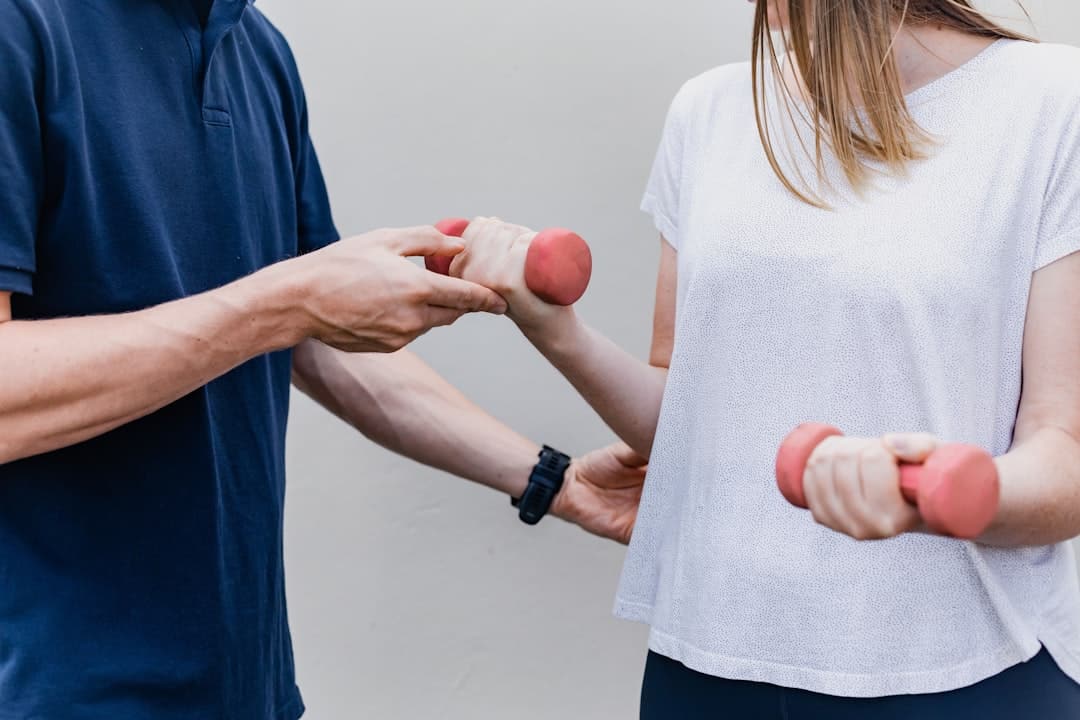
Virtual Reality (VR) has emerged as a transformative technology across various fields, and its application in rehabilitation is particularly noteworthy. By immersing patients in a computer-generated environment, VR offers a unique platform for therapeutic interventions that can enhance recovery processes. The integration of VR into rehabilitation practices is not merely a trend; it represents a paradigm shift in how healthcare professionals approach patient care, especially for those recovering from debilitating conditions such as strokes.
The immersive nature of VR allows for engaging and interactive experiences that can motivate patients, making rehabilitation exercises more enjoyable and less monotonous. The potential of VR in rehabilitation extends beyond mere entertainment; it harnesses the principles of neuroplasticity, which is the brain’s ability to reorganize itself by forming new neural connections. This is particularly relevant in stroke recovery, where patients often need to relearn motor skills and cognitive functions that may have been impaired.
As technology continues to evolve, the possibilities for VR in rehabilitation are expanding, paving the way for innovative treatment modalities that could redefine patient outcomes.
Key Takeaways
- VR technology offers innovative approaches to enhance stroke rehabilitation outcomes.
- Stroke significantly impairs motor and cognitive functions, necessitating effective rehabilitation methods.
- VR provides immersive, engaging therapy that can improve patient motivation and recovery rates.
- Case studies demonstrate practical applications and positive patient responses to VR-based rehab.
- Ongoing research aims to address challenges and expand VR’s role in personalized stroke rehabilitation.
The Impact of Stroke on Patients
Stroke is a leading cause of long-term disability worldwide, affecting millions of individuals each year. The condition occurs when blood flow to the brain is interrupted, resulting in the death of brain cells and subsequent loss of function in various bodily systems. The aftermath of a stroke can be devastating, with patients often experiencing a range of physical, cognitive, and emotional challenges.
Common physical impairments include weakness or paralysis on one side of the body, difficulties with balance and coordination, and problems with speech and swallowing. These challenges can significantly hinder a patient’s ability to perform daily activities, leading to a loss of independence.
Many stroke survivors grapple with feelings of frustration, anxiety, and depression as they navigate their recovery journey. The emotional toll can be exacerbated by social isolation, as patients may find it difficult to engage with friends and family or return to work. Cognitive impairments such as memory loss, difficulty concentrating, and impaired judgment can further complicate recovery efforts.
Understanding the multifaceted impact of stroke on patients is crucial for developing effective rehabilitation strategies that address not only physical deficits but also emotional and cognitive needs.
The Role of VR in Stroke Rehabilitation

Virtual Reality has the potential to revolutionize stroke rehabilitation by providing tailored therapeutic experiences that cater to individual patient needs. One of the primary advantages of VR is its ability to create immersive environments that mimic real-life situations, allowing patients to practice essential skills in a safe space. For instance, a patient recovering from a stroke may engage in VR scenarios that simulate walking through a grocery store or navigating a busy street.
These simulations can help patients regain confidence in their abilities while also improving their motor skills through repetitive practice. Moreover, VR can facilitate real-time feedback and performance tracking, which are critical components of effective rehabilitation. Patients can receive immediate information about their movements and progress, enabling them to adjust their efforts accordingly.
This instant feedback loop not only enhances learning but also fosters a sense of accomplishment as patients witness their improvements over time. Additionally, VR can be programmed to adapt to the patient’s skill level, gradually increasing the difficulty of tasks as they progress. This personalized approach ensures that rehabilitation remains challenging yet achievable, promoting sustained engagement and motivation.
Case Study: Implementing VR in Stroke Rehabilitation
A notable case study highlighting the implementation of VR in stroke rehabilitation involved a clinical trial conducted at a leading rehabilitation center. The study aimed to assess the efficacy of a VR-based intervention compared to traditional rehabilitation methods for stroke survivors. Participants were divided into two groups: one received conventional therapy focused on physical exercises and occupational tasks, while the other engaged in VR-based activities designed to improve motor skills and cognitive functions.
The results were striking. Patients who participated in the VR group demonstrated significant improvements in upper limb function and overall mobility compared to those undergoing traditional therapy. For instance, assessments using standardized scales showed that VR participants had greater gains in their ability to perform daily activities independently.
Furthermore, qualitative feedback from patients indicated that they found the VR sessions more enjoyable and less tedious than conventional exercises. Many reported feeling more motivated to participate in their rehabilitation due to the engaging nature of the virtual environments.
Benefits and Challenges of Using VR in Rehabilitation
| Metric | Before VR Rehabilitation | After VR Rehabilitation | Improvement (%) |
|---|---|---|---|
| Motor Function Score (Fugl-Meyer Assessment) | 35 | 55 | 57% |
| Balance Test Score (Berg Balance Scale) | 30 | 45 | 50% |
| Upper Limb Dexterity (Box and Block Test – blocks/min) | 12 | 22 | 83% |
| Patient Engagement Level (Self-reported scale 1-10) | 4 | 8 | 100% |
| Session Attendance Rate (%) | 70 | 90 | 29% |
The benefits of incorporating VR into rehabilitation practices are manifold. One significant advantage is the increased engagement it fosters among patients. Traditional rehabilitation exercises can often feel repetitive and uninspiring, leading to decreased motivation and adherence to therapy regimens.
In contrast, VR offers an interactive experience that captivates patients’ attention and encourages them to participate actively in their recovery process. This heightened engagement can lead to improved outcomes as patients are more likely to invest time and effort into their rehabilitation. However, despite its promising potential, the integration of VR into rehabilitation is not without challenges.
One major hurdle is the accessibility of technology; not all rehabilitation centers are equipped with the necessary hardware or software to implement VR programs effectively. Additionally, there may be a learning curve for both patients and therapists as they adapt to using new technologies. Some patients may experience discomfort or motion sickness when using VR headsets, which could hinder their participation.
Furthermore, there is a need for rigorous research to establish standardized protocols for VR interventions in rehabilitation settings, ensuring that they are evidence-based and tailored to meet diverse patient needs.
Patient Experience and Outcomes

The patient experience in VR-based rehabilitation is often characterized by increased motivation and satisfaction compared to traditional methods. Many individuals report feeling more engaged during therapy sessions when using VR technology, as it allows them to immerse themselves in various scenarios that mimic real-life challenges. This sense of immersion can lead to enhanced focus and determination as patients work towards regaining lost skills.
For example, a patient practicing hand movements in a virtual kitchen may find it easier to relate their exercises to everyday tasks, thereby reinforcing the relevance of their rehabilitation efforts. Outcomes from studies involving VR in stroke rehabilitation have shown promising results not only in physical recovery but also in psychological well-being. Patients often express feelings of accomplishment as they navigate through virtual environments and achieve specific goals set within the program.
This sense of achievement can boost self-esteem and foster a positive outlook on recovery. Additionally, social interaction features within some VR platforms allow patients to connect with others undergoing similar experiences, further enhancing their support network during rehabilitation.
Future Implications and Research in VR Rehabilitation
As technology continues to advance, the future implications for VR in rehabilitation are vast and exciting. Ongoing research is essential to explore new applications of VR across various patient populations beyond stroke survivors. For instance, individuals recovering from traumatic brain injuries or orthopedic surgeries could benefit from similar immersive experiences tailored to their specific needs.
Furthermore, integrating artificial intelligence into VR systems could enable personalized therapy regimens that adapt dynamically based on real-time performance data. Future studies should also focus on long-term outcomes associated with VR interventions in rehabilitation settings. While initial results are promising, understanding how these technologies impact recovery over extended periods will be crucial for establishing best practices.
Additionally, exploring cost-effectiveness will be vital for widespread adoption; as healthcare systems face increasing financial pressures, demonstrating that VR can provide significant value compared to traditional methods will be essential for securing funding and resources.
The Potential of VR in Stroke Rehabilitation
The potential of Virtual Reality in stroke rehabilitation is immense, offering innovative solutions that address both physical and psychological aspects of recovery. By creating engaging environments that promote active participation and skill development, VR has the capacity to enhance patient outcomes significantly. As research continues to unfold and technology advances further, it is likely that we will see an increasing integration of VR into standard rehabilitation practices.
The journey toward fully realizing the benefits of VR in stroke rehabilitation will require collaboration among healthcare professionals, researchers, and technology developers. By working together to overcome existing challenges and harnessing the power of this transformative technology, we can pave the way for more effective and personalized rehabilitation strategies that empower stroke survivors on their path to recovery.
In exploring innovative rehabilitation methods for stroke patients, the case study on the use of VR technology highlights significant advancements in therapeutic practices. For those interested in understanding the broader implications of technology in various fields, a related article on how to choose the right laptop for students can provide insights into the importance of technology in education and rehabilitation. You can read more about it here: How to Choose Laptop for Students.
FAQs
What is the role of VR in stroke rehabilitation?
Virtual Reality (VR) is used in stroke rehabilitation to create immersive, interactive environments that help patients perform therapeutic exercises. It enhances motivation, provides real-time feedback, and allows for repetitive practice, which is crucial for motor recovery after a stroke.
How does VR therapy benefit stroke patients compared to traditional methods?
VR therapy offers engaging and customizable exercises that can be tailored to individual patient needs. It often results in higher patient motivation and adherence, provides precise tracking of progress, and can simulate real-life scenarios to improve functional outcomes more effectively than some traditional therapies.
Is VR rehabilitation suitable for all stroke patients?
While VR rehabilitation can be beneficial for many stroke patients, suitability depends on the patient’s cognitive status, severity of impairment, and tolerance for VR technology. A healthcare professional should assess each patient to determine if VR therapy is appropriate.
What types of VR systems are used in stroke rehabilitation?
Both immersive VR systems using headsets and non-immersive systems with screens and motion sensors are used. The choice depends on the rehabilitation goals, patient comfort, and available resources.
Are there any risks or side effects associated with VR rehabilitation?
Some patients may experience motion sickness, dizziness, or eye strain during VR sessions. These side effects are generally mild and can be managed by adjusting session length and VR settings.
How is progress measured during VR-based stroke rehabilitation?
Progress is typically measured through performance metrics within the VR system, such as accuracy, speed, and range of motion, as well as clinical assessments conducted by therapists to evaluate functional improvements.
Can VR rehabilitation be used at home?
Yes, some VR rehabilitation programs are designed for home use, allowing patients to continue therapy outside clinical settings. However, remote monitoring by healthcare professionals is recommended to ensure safety and effectiveness.
What evidence supports the effectiveness of VR in stroke rehabilitation?
Numerous studies and clinical trials have demonstrated that VR can improve motor function, balance, and cognitive abilities in stroke patients, often showing comparable or superior results to conventional therapy methods.
How long do VR rehabilitation sessions typically last?
Session length varies but generally ranges from 20 to 60 minutes, depending on the patient’s endurance and therapy goals. Frequency and duration are tailored to individual rehabilitation plans.
Is specialized training required for therapists to use VR in stroke rehabilitation?
Yes, therapists usually receive training to effectively integrate VR technology into rehabilitation programs, ensuring they can operate the systems and interpret data to optimize patient outcomes.