

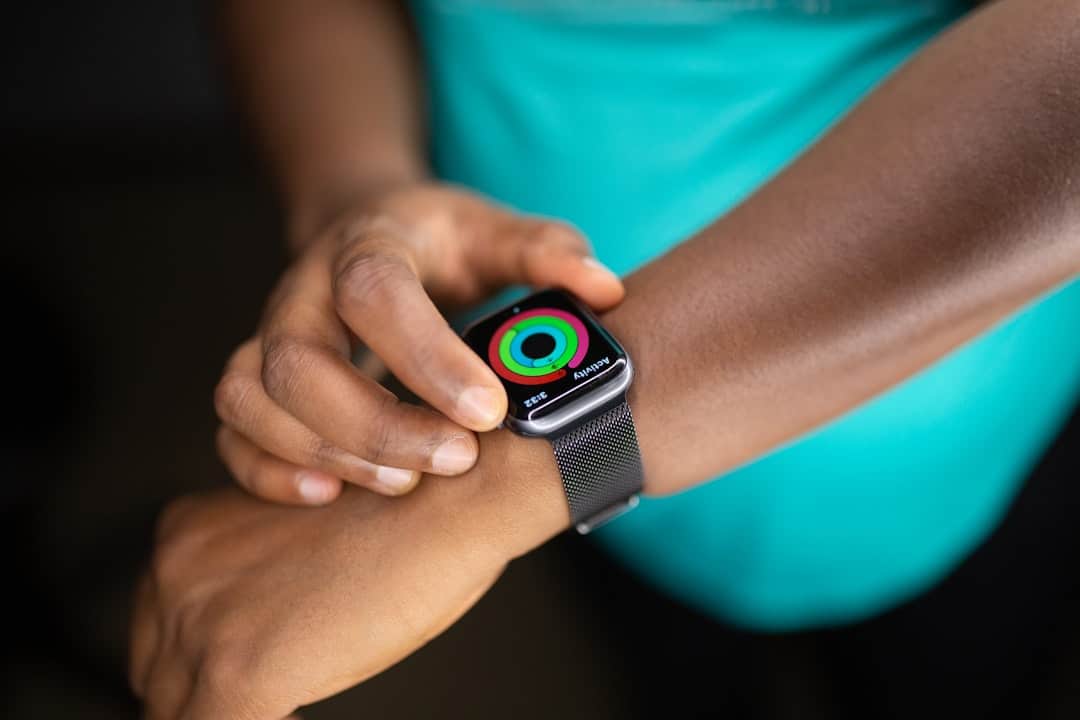
Corporate wellness programs have become an integral element of contemporary organizational strategy, driven by increased awareness of employee health and well-being impacts on business performance. These initiatives encompass systematic approaches to promoting healthier employee behaviors, controlling healthcare expenditures, and improving workplace productivity. Corporate wellness programs typically include physical fitness activities, mental health support services, nutrition education, and stress reduction training.
Organizations across various industries have increasingly adopted comprehensive wellness strategies as part of their human resources management approach.
Studies demonstrate that companies implementing wellness initiatives report decreased employee absenteeism rates, reduced healthcare insurance costs, and enhanced employee engagement scores.
Additionally, organizations with healthy workforces typically demonstrate higher productivity levels and increased innovation capacity, directly contributing to competitive advantage and financial performance. Corporate wellness programs represent a strategic human capital investment that generates quantifiable returns on investment rather than simply following workplace trends.
Key Takeaways
- Fitness trackers play a crucial role in enhancing corporate wellness programs by monitoring and promoting employee health.
- Implementing fitness trackers can lead to measurable improvements in employee health and overall wellness.
- Employee engagement and motivation increase significantly when fitness trackers are integrated into wellness initiatives.
- Addressing challenges such as privacy concerns and technology adoption is essential for successful integration of fitness trackers.
- Future trends point towards more personalized and innovative fitness tracker features to further boost corporate wellness efforts.
The Role of Fitness Trackers in Corporate Wellness
Fitness trackers have revolutionized the way individuals approach health and fitness, providing real-time data and insights that empower users to make informed decisions about their physical activity. In the context of corporate wellness programs, these devices serve as powerful tools that facilitate engagement and accountability among employees. By tracking metrics such as steps taken, calories burned, heart rate, and sleep patterns, fitness trackers enable employees to monitor their progress and set achievable health goals.
The integration of fitness trackers into corporate wellness initiatives can enhance participation rates significantly. Many organizations have adopted gamification strategies that leverage the competitive nature of fitness tracking. Employees can participate in challenges, compete against colleagues, and earn rewards for achieving specific milestones.
This not only fosters a sense of community but also encourages individuals to take ownership of their health journeys. The data collected from these devices can also be analyzed by employers to identify trends and tailor wellness programs to better meet the needs of their workforce.
Case Study: Implementation of Fitness Trackers in a Corporate Wellness Program

A notable example of successful implementation of fitness trackers in a corporate wellness program can be observed at a large technology firm, Tech Innovations Inc. Faced with rising healthcare costs and declining employee engagement, the company decided to launch a comprehensive wellness initiative that included the distribution of fitness trackers to all employees. The program was designed to encourage physical activity and promote a culture of health within the organization.
Upon launching the program, Tech Innovations Inc. provided employees with wearable fitness devices that tracked their daily activity levels. The company also established a dedicated wellness portal where employees could log their activities, participate in challenges, and access educational resources on nutrition and mental well-being.
To further incentivize participation, the organization offered rewards such as gift cards and extra vacation days for employees who met specific fitness goals. This multifaceted approach not only increased awareness about personal health but also fostered camaraderie among employees as they shared their progress and supported one another in achieving their fitness objectives.
Results and Impact of Fitness Trackers on Employee Health and Wellness
The implementation of fitness trackers at Tech Innovations Inc. yielded impressive results within the first year. Employee participation in the wellness program soared to over 75%, with many individuals reporting significant improvements in their physical activity levels.
On average, employees increased their daily step count by 30%, leading to enhanced cardiovascular health and overall fitness. Additionally, the program contributed to a noticeable decline in healthcare claims related to lifestyle-related illnesses, demonstrating a direct correlation between increased physical activity and reduced medical expenses. Beyond physical health benefits, the program also had a profound impact on employee morale and job satisfaction.
Employees reported feeling more motivated and engaged at work, attributing this newfound energy to their increased activity levels. The sense of community fostered by shared fitness goals created stronger interpersonal relationships among colleagues, leading to improved teamwork and collaboration. Furthermore, management noted a decrease in turnover rates as employees felt more valued and supported by the organization’s commitment to their well-being.
Employee Engagement and Motivation through Fitness Trackers
| Metric | Before Fitness Trackers | After Fitness Trackers | Improvement |
|---|---|---|---|
| Employee Participation Rate | 45% | 78% | +33% |
| Average Daily Steps | 4,200 | 7,800 | +3,600 steps |
| Employee Sick Days per Year | 8.5 days | 5.2 days | -3.3 days |
| Employee Reported Stress Levels (Scale 1-10) | 6.8 | 4.3 | -2.5 |
| Corporate Wellness Program ROI | 1.5x | 3.2x | +1.7x |
Fitness trackers play a crucial role in enhancing employee engagement by providing tangible metrics that individuals can use to track their progress over time. The ability to visualize improvements in physical activity can serve as a powerful motivator for employees striving to achieve their health goals. Many individuals find that seeing their daily step count or calories burned provides an immediate sense of accomplishment, encouraging them to push themselves further.
Moreover, the social aspect of fitness tracking cannot be overlooked. Many devices allow users to connect with friends or colleagues, fostering a sense of accountability and friendly competition. Employees can share their achievements on social media or within the company’s wellness platform, creating an environment where health and fitness are celebrated collectively.
This social interaction not only enhances motivation but also reinforces the idea that wellness is a shared journey rather than an individual endeavor.
Challenges and Solutions in Integrating Fitness Trackers into Corporate Wellness Programs

Despite the numerous benefits associated with integrating fitness trackers into corporate wellness programs, several challenges can arise during implementation. One significant hurdle is ensuring data privacy and security. Employees may be hesitant to share personal health information with their employers due to concerns about how that data will be used or stored.
To address this issue, organizations must establish clear policies regarding data usage and ensure that employees feel confident that their information will remain confidential. Another challenge is ensuring sustained engagement over time. While initial enthusiasm for fitness trackers may be high, maintaining long-term participation can be difficult as employees return to their daily routines.
To combat this issue, companies should regularly refresh their wellness initiatives by introducing new challenges or incentives that keep employees motivated. Additionally, providing ongoing education about the benefits of physical activity and offering support through wellness coaches or peer groups can help sustain interest in the program.
Best Practices for Using Fitness Trackers in Corporate Wellness Programs
To maximize the effectiveness of fitness trackers within corporate wellness programs, organizations should adhere to several best practices. First and foremost, it is essential to select devices that are user-friendly and compatible with various operating systems to accommodate all employees’ preferences. Providing training sessions on how to use these devices effectively can also enhance user experience and encourage participation.
Incorporating regular feedback mechanisms is another best practice that can help organizations gauge the effectiveness of their wellness initiatives. Surveys or focus groups can provide valuable insights into employee experiences with fitness trackers and identify areas for improvement. Additionally, creating a supportive environment where employees feel comfortable discussing their health journeys can foster a culture of wellness within the organization.
Future Trends and Innovations in Corporate Wellness Programs with Fitness Trackers
As technology continues to evolve, so too will the landscape of corporate wellness programs incorporating fitness trackers. One emerging trend is the integration of artificial intelligence (AI) into wearable devices, allowing for more personalized health recommendations based on individual data patterns. This could lead to tailored fitness plans that adapt over time as users progress toward their goals.
Moreover, advancements in telehealth services are likely to complement fitness tracking initiatives by providing employees with access to virtual consultations with healthcare professionals. This holistic approach could further enhance employee well-being by addressing both physical and mental health needs simultaneously. As organizations continue to prioritize employee wellness in an increasingly competitive job market, the innovative use of fitness trackers will undoubtedly play a pivotal role in shaping the future of corporate wellness programs.
In exploring the impact of fitness trackers on corporate wellness programs, it’s interesting to consider how technology in general can enhance workplace productivity and employee satisfaction. A related article that delves into the role of technology in business is titled “Discover the Best Laptop for Remote Work Today,” which discusses essential tools that can support a healthy work-life balance. You can read more about it here.
FAQs
What are fitness trackers?
Fitness trackers are wearable devices that monitor and record various health-related metrics such as steps taken, heart rate, calories burned, sleep patterns, and physical activity levels.
How do fitness trackers support corporate wellness programs?
Fitness trackers encourage employees to engage in regular physical activity by providing real-time feedback, setting goals, and tracking progress. This can lead to improved health, increased motivation, and higher participation rates in wellness initiatives.
What benefits do companies gain from using fitness trackers in wellness programs?
Companies can experience reduced healthcare costs, improved employee productivity, decreased absenteeism, and enhanced employee morale by integrating fitness trackers into their wellness programs.
Are fitness trackers effective in promoting long-term health behavior changes?
When combined with supportive wellness strategies such as coaching, incentives, and social support, fitness trackers can effectively motivate employees to adopt and maintain healthier lifestyle habits over time.
What types of data do fitness trackers collect in corporate wellness programs?
They typically collect data on physical activity (steps, distance), heart rate, sleep quality, calories burned, and sometimes stress levels, which can be aggregated to assess overall employee wellness trends.
How is employee privacy protected when using fitness trackers at work?
Employers must ensure compliance with privacy laws by obtaining informed consent, anonymizing data, and limiting access to personal health information to protect employee confidentiality.
Can fitness trackers be integrated with other wellness program tools?
Yes, many fitness trackers can sync with wellness platforms and apps, allowing for seamless data integration, personalized feedback, and comprehensive health management.
What challenges might companies face when implementing fitness trackers in wellness programs?
Challenges include ensuring employee engagement, addressing privacy concerns, managing data security, and providing equitable access to devices for all employees.
Do fitness trackers accommodate employees with different fitness levels?
Yes, fitness trackers can be customized to set personalized goals and track progress suitable for varying fitness levels, making them inclusive tools for diverse employee populations.
How can companies encourage employees to use fitness trackers consistently?
Employers can promote consistent use by offering incentives, creating team challenges, providing education on benefits, and integrating tracker data into broader wellness initiatives.