

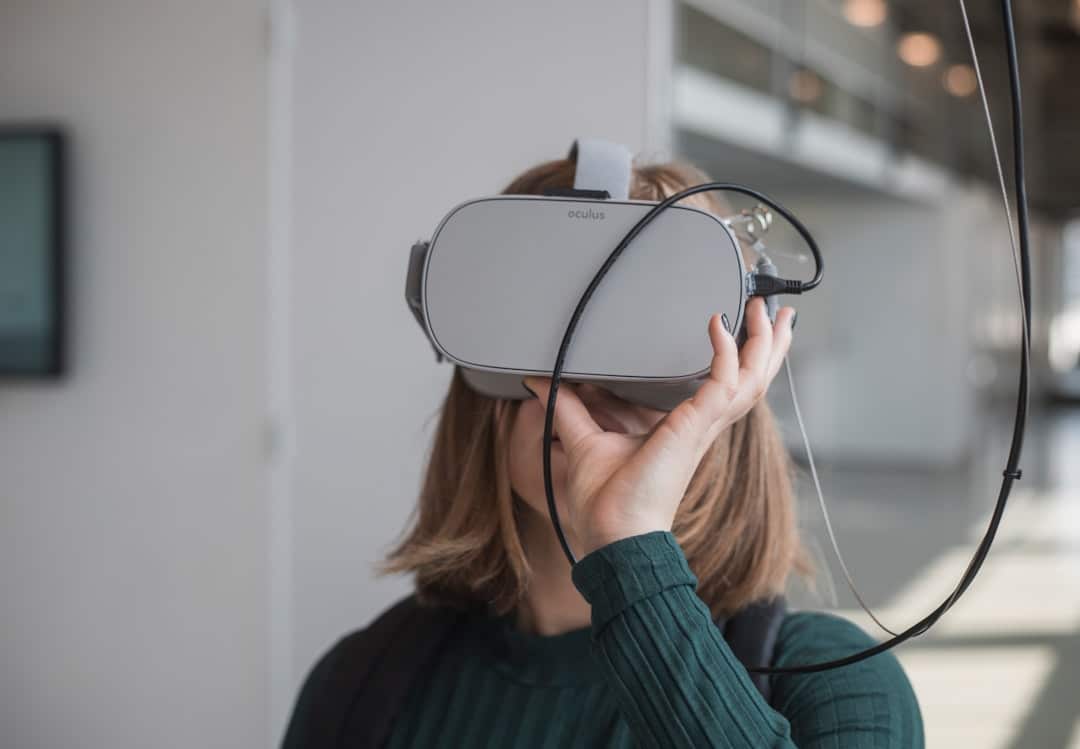
Consumer tech events have become pivotal gatherings in the technology landscape, serving as platforms where innovation meets consumer interest. These events, ranging from large-scale expos like CES (Consumer Electronics Show) to more niche gatherings such as Mobile World Congress, showcase the latest advancements in technology and provide a stage for companies to unveil their newest products. The atmosphere is often electric, filled with anticipation as industry leaders, startups, and tech enthusiasts converge to witness groundbreaking innovations.
The significance of these events extends beyond mere product launches; they are a reflection of the evolving relationship between technology and consumers, highlighting trends that shape the market. The evolution of consumer tech events can be traced back to the early days of computing when small gatherings were held to discuss emerging technologies. Over the decades, these events have transformed into massive spectacles that attract global attention.
They serve not only as a venue for product announcements but also as a barometer for industry trends and consumer preferences. As technology continues to permeate every aspect of daily life, the importance of these events has only grown, making them essential for understanding the future trajectory of consumer technology.
Key Takeaways
- Consumer tech events significantly boost global buzz by showcasing innovation and attracting media attention.
- Successful events leverage strategic planning, engaging presentations, and high-profile product launches.
- Social media plays a crucial role in amplifying event reach and real-time audience engagement.
- These events foster innovation and collaboration among industry players, driving technological advancements.
- Emerging trends indicate increasing virtual participation and enhanced interactive experiences at consumer tech events.
Impact of Consumer Tech Events on Global Buzz
The impact of consumer tech events on global buzz is profound, often setting the tone for industry discussions and consumer expectations for the year ahead. When a major company unveils a new product at an event like CES, it generates significant media coverage and social media chatter, creating a ripple effect that influences public perception and market dynamics. The excitement surrounding these announcements can lead to increased consumer interest and anticipation, which in turn drives sales and shapes market trends.
For instance, when Apple introduces a new iPhone model, the buzz generated can lead to long lines at retail stores and a surge in online pre-orders, demonstrating how these events can directly impact consumer behavior. Moreover, the global reach of consumer tech events amplifies their influence. With attendees and viewers from around the world, the discussions and innovations presented at these gatherings can transcend geographical boundaries.
This international exposure allows companies to tap into diverse markets and adapt their strategies based on global consumer feedback. The buzz generated at these events often leads to discussions in various media outlets, blogs, and forums, further extending their reach and impact. As a result, consumer tech events play a crucial role in shaping not only industry narratives but also consumer perceptions on a global scale.
Case Study Analysis: Successful Consumer Tech Events

Examining successful consumer tech events provides valuable insights into what makes these gatherings impactful. One notable example is the annual CES held in Las Vegas, which has consistently attracted thousands of exhibitors and attendees from around the globe. In 2020, CES showcased over 4,500 exhibitors and drew more than 170,000 attendees, highlighting its status as a premier event in the tech calendar.
The event’s success can be attributed to its ability to adapt to changing industry trends and consumer interests. For instance, in recent years, CES has placed a strong emphasis on emerging technologies such as artificial intelligence (AI), smart home devices, and sustainability solutions, reflecting the growing consumer demand for innovative and eco-friendly products.
Apple’s ability to create a sense of exclusivity and excitement around its product launches has made WWDC a highly anticipated event each year. In 2021, despite being held virtually due to the pandemic, the event attracted millions of viewers worldwide. Apple’s strategic focus on enhancing user experience through software updates and new features resonated with developers and consumers alike, showcasing how effective communication and engagement can drive success at consumer tech events.
Key Factors Driving Global Buzz at Consumer Tech Events
Several key factors contribute to the global buzz generated by consumer tech events. First and foremost is the element of surprise and innovation. Companies that unveil groundbreaking products or technologies often capture the attention of both media and consumers.
This level of intrigue not only generated immediate buzz but also positioned Tesla as a leader in electric vehicle innovation. Another critical factor is the strategic use of marketing and public relations by companies participating in these events.
Effective storytelling around product launches can significantly enhance consumer engagement. Brands that craft compelling narratives about their innovations—highlighting how they solve real-world problems or enhance user experiences—tend to generate more buzz. Additionally, partnerships with influencers and industry experts can amplify this effect, as their endorsements lend credibility and reach to product announcements.
The combination of innovative products and strategic marketing creates a potent formula for generating excitement at consumer tech events.
The Role of Social Media in Amplifying Consumer Tech Events
| Metric | Value | Description |
|---|---|---|
| Number of Events | 15 | Total consumer tech events held globally in the last year |
| Average Attendance | 25,000 | Average number of attendees per event |
| Global Media Reach | 1.2 Billion | Estimated number of people reached through media coverage |
| Social Media Mentions | 3.5 Million | Number of mentions across major social platforms during event periods |
| New Product Launches | 120 | Number of new consumer tech products introduced at these events |
| International Exhibitors | 800 | Number of exhibitors from outside the host country |
| Event Duration (days) | 3-5 | Typical length of consumer tech events |
| Post-Event Sales Increase | 18% | Average increase in sales for featured products after events |
Social media has revolutionized how consumer tech events are perceived and experienced by audiences worldwide. Platforms like Twitter, Instagram, and YouTube allow real-time sharing of information, enabling attendees to broadcast their experiences live from the event floor. This immediacy creates a sense of urgency and excitement that traditional media cannot replicate.
For instance, during major product launches at events like CES or WWDC, hashtags trend globally as users share their thoughts, photos, and videos, creating a virtual conversation that extends far beyond the physical venue. Moreover, social media serves as a powerful tool for companies to engage with their audience before, during, and after these events. Pre-event teasers can build anticipation, while live updates during the event keep followers informed about key announcements.
Post-event content—such as highlight reels or behind-the-scenes footage—can sustain interest long after the event concludes. This continuous engagement fosters a community around brands and products, encouraging discussions that can influence consumer perceptions and behaviors.
Consumer Tech Events as a Platform for Innovation and Collaboration

Consumer tech events are not just about showcasing products; they also serve as vital platforms for innovation and collaboration among industry players. These gatherings bring together startups, established companies, investors, and thought leaders who share a common interest in advancing technology. The networking opportunities available at these events can lead to partnerships that drive innovation forward.
For example, many startups use these platforms to pitch their ideas to potential investors or collaborators who can help bring their visions to life. Additionally, workshops and panel discussions at consumer tech events often focus on emerging trends and challenges facing the industry. These sessions provide valuable insights into best practices and future directions for technology development.
By fostering an environment where knowledge is shared freely among participants, consumer tech events contribute to a culture of collaboration that can lead to groundbreaking advancements in technology.
The Influence of Consumer Tech Events on Consumer Behavior
The influence of consumer tech events on consumer behavior is significant and multifaceted. When consumers attend these events or follow them online, they are exposed to new technologies that can alter their purchasing decisions. For instance, witnessing live demonstrations of innovative products can create an emotional connection that drives consumers to seek out those products once they become available in the market.
This phenomenon is particularly evident with products that incorporate cutting-edge features or design elements that resonate with consumers’ desires for novelty and functionality. Furthermore, consumer tech events often set trends that shape market demand. When certain technologies gain traction at these gatherings—such as wearable devices or smart home solutions—consumers are more likely to adopt them in their daily lives.
The buzz generated around these innovations can create a sense of urgency among consumers who want to be part of the latest technological advancements. As a result, companies that effectively leverage consumer tech events can significantly influence buying patterns and preferences.
Future Trends in Consumer Tech Events and Global Buzz
Looking ahead, several trends are likely to shape the future of consumer tech events and their ability to generate global buzz. One prominent trend is the increasing integration of virtual reality (VR) and augmented reality (AR) technologies into event experiences. As these technologies become more accessible, they offer opportunities for immersive product demonstrations that can captivate audiences in ways traditional presentations cannot achieve.
This shift could redefine how consumers interact with new technologies during events. Another trend is the growing emphasis on sustainability within the tech industry. As consumers become more environmentally conscious, tech companies are responding by showcasing eco-friendly innovations at consumer tech events.
This focus not only aligns with changing consumer values but also creates opportunities for brands to differentiate themselves in a crowded marketplace. Events that prioritize sustainability are likely to resonate with audiences seeking responsible consumption options. In conclusion, consumer tech events will continue to play a crucial role in shaping industry narratives and influencing consumer behavior as they evolve alongside technological advancements and societal shifts.
The interplay between innovation, marketing strategies, social media engagement, collaboration opportunities, and changing consumer values will define how these events generate global buzz in the years to come.
In the realm of consumer technology, events play a crucial role in generating excitement and engagement among audiences worldwide. A related article that delves into the latest innovations in tech is the one discussing the features of the Samsung Galaxy Book Odyssey. This device showcases cutting-edge technology that aligns with the trends highlighted in the case study on consumer tech events. For more insights, you can read the article here.
FAQs
What are consumer tech events?
Consumer tech events are gatherings, exhibitions, or conferences where companies showcase the latest technology products and innovations aimed at consumers. These events often include product launches, demonstrations, keynote speeches, and networking opportunities.
Why are consumer tech events important for the global market?
Consumer tech events play a crucial role in driving global buzz by generating media coverage, attracting industry professionals, and influencing consumer interest worldwide. They help companies build brand awareness, create excitement around new products, and foster international business relationships.
How do consumer tech events impact product launches?
These events provide a high-profile platform for companies to unveil new products to a large audience, including press, industry experts, and consumers. The exposure can lead to increased sales, partnerships, and market penetration.
What are some examples of major consumer tech events?
Notable consumer tech events include the Consumer Electronics Show (CES) in Las Vegas, Mobile World Congress (MWC) in Barcelona, and IFA in Berlin. These events attract global participation and media attention.
How do consumer tech events drive innovation?
By bringing together industry leaders, startups, and innovators, these events foster collaboration and competition, encouraging the development of cutting-edge technologies and solutions.
What role does media coverage play in consumer tech events?
Media coverage amplifies the reach of consumer tech events by reporting on new product announcements, trends, and industry insights. This coverage helps generate consumer interest and shapes public perception.
How do consumer tech events influence consumer behavior?
By showcasing the latest technologies and trends, these events inform and excite consumers, often influencing purchasing decisions and adoption of new products.
Are consumer tech events held globally or regionally?
While some consumer tech events are global in scale, attracting participants from around the world, others may focus on regional markets. Both types contribute to driving buzz within their respective audiences.
What challenges do organizers face when hosting consumer tech events?
Organizers must manage logistics, ensure safety, attract exhibitors and attendees, and adapt to changing technologies and market conditions. Additionally, events may face challenges related to virtual participation and global accessibility.
How has the COVID-19 pandemic affected consumer tech events?
The pandemic led to the cancellation or virtualization of many in-person events, accelerating the adoption of digital platforms for presentations and networking. Hybrid event formats have since become more common.