

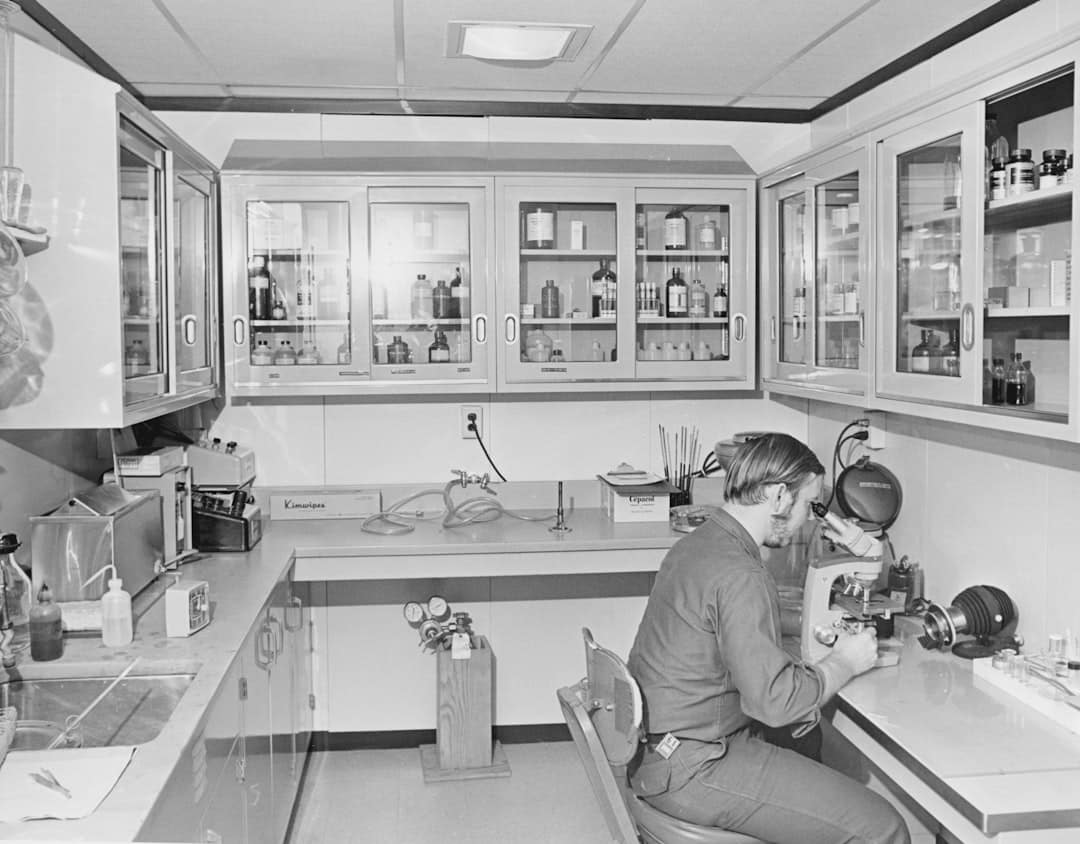
The landscape of cancer research has undergone a transformative shift in recent years, largely driven by advancements in biotechnology. This field, which merges biological sciences with technology, has opened new avenues for understanding the complexities of cancer at a molecular level. The integration of biotechnology into cancer research has not only enhanced our comprehension of tumor biology but has also paved the way for innovative therapeutic strategies.
As we delve into the intricacies of these breakthroughs, it becomes evident that biotechnology is not merely a tool but a catalyst for change in how we approach cancer treatment. The urgency for such advancements is underscored by the staggering statistics surrounding cancer. According to the World Health Organization, cancer is one of the leading causes of death globally, accounting for nearly 10 million deaths in 2020 alone.
The traditional methods of treatment, including chemotherapy and radiation, while effective in certain contexts, often come with significant side effects and limitations. This backdrop sets the stage for biotechnology to emerge as a beacon of hope, offering targeted therapies and personalized medicine that promise to revolutionize patient outcomes.
Key Takeaways
- Biotechnology is revolutionizing cancer treatment through innovative research and advanced therapies.
- Groundbreaking biotech innovations have led to more targeted and effective cancer treatments.
- Biotech breakthroughs significantly improve patient outcomes and quality of life.
- Ongoing challenges include ethical concerns and the need for collaborative research efforts.
- Future directions focus on enhancing biotech partnerships to accelerate cancer treatment advancements.
The Role of Biotechnology in Cancer Treatment
Biotechnology plays a multifaceted role in cancer treatment, encompassing everything from drug development to diagnostic tools.
This precision medicine approach is made possible through biotechnological innovations such as monoclonal antibodies and small molecule inhibitors.
For instance, trastuzumab (Herceptin) is a monoclonal antibody that targets the HER2 protein overexpressed in some breast cancers, demonstrating how biotechnology can tailor treatments to individual patient profiles. Moreover, biotechnology has facilitated the advancement of immunotherapy, which harnesses the body’s immune system to fight cancer. Checkpoint inhibitors, such as pembrolizumab (Keytruda) and nivolumab (Opdivo), exemplify this approach by blocking proteins that inhibit immune responses against tumors.
These therapies have shown remarkable efficacy in various cancers, including melanoma and lung cancer, leading to durable responses in patients who previously had limited options. The ability to manipulate the immune system through biotechnological means represents a paradigm shift in cancer treatment, moving away from one-size-fits-all approaches toward more individualized care.
Case Study: Groundbreaking Biotech Innovations in Cancer Research

One of the most compelling case studies in recent biotech innovations is the development of CAR T-cell therapy. Chimeric Antigen Receptor (CAR) T-cell therapy involves genetically modifying a patient’s T cells to express receptors that specifically target cancer cells. This groundbreaking approach has shown remarkable success in treating certain types of hematological malignancies, such as acute lymphoblastic leukemia (ALL) and certain types of lymphoma.
The process begins with collecting T cells from the patient’s blood, which are then engineered in the laboratory to recognize and attack cancer cells. The success stories surrounding CAR T-cell therapy are profound. For instance, the case of Emily Whitehead, a young girl diagnosed with ALL, highlights the potential of this innovative treatment.
After undergoing CAR T-cell therapy, Emily achieved complete remission and has remained cancer-free for years. Such cases underscore not only the efficacy of this biotechnological approach but also its potential to provide hope where traditional therapies have failed. The rapid development and approval of CAR T-cell therapies by regulatory bodies like the FDA mark a significant milestone in cancer treatment, showcasing how biotechnology can lead to life-saving interventions.
Impact of Biotech Breakthroughs on Cancer Patients
The impact of biotech breakthroughs on cancer patients is profound and multifaceted. One of the most significant benefits is the improvement in survival rates associated with targeted therapies and immunotherapies. For example, patients with metastatic melanoma who were treated with checkpoint inhibitors have experienced unprecedented survival rates compared to those receiving conventional treatments.
This shift not only enhances longevity but also improves the quality of life for patients who may have previously faced grim prognoses. Furthermore, biotechnology has enabled more accurate diagnostics and prognostics, allowing for earlier detection and better monitoring of cancer progression. Liquid biopsies, which analyze circulating tumor DNA (ctDNA) from a patient’s blood sample, exemplify this advancement.
These non-invasive tests can provide real-time insights into tumor dynamics and treatment responses, empowering oncologists to make informed decisions about therapy adjustments. As a result, patients benefit from more personalized treatment plans that are responsive to their unique disease characteristics.
Challenges and Future Directions in Biotech Cancer Research
| Metric | Value | Description |
|---|---|---|
| Number of Clinical Trials | 45 | Ongoing clinical trials focused on novel biotech cancer therapies |
| Average Patient Response Rate | 68% | Percentage of patients showing positive response to new treatments |
| Time to Market (Years) | 5 | Average duration from discovery to regulatory approval |
| Research Funding Allocated | 120 million | Amount invested in biotech cancer research over the past 3 years |
| Breakthrough Technologies | 3 | Number of new biotech platforms developed (e.g., CAR-T, CRISPR, mRNA) |
| Survival Rate Improvement | 25% | Increase in 5-year survival rates due to biotech innovations |
Despite the remarkable progress made in biotech cancer research, several challenges remain that must be addressed to fully realize its potential. One significant hurdle is the high cost associated with many biotechnological therapies. For instance, CAR T-cell therapy can exceed $373,000 per patient, raising concerns about accessibility and equity in treatment options.
As these therapies become more prevalent, it is crucial for stakeholders to explore ways to reduce costs without compromising quality or efficacy. Additionally, there are scientific challenges related to tumor heterogeneity and resistance mechanisms that can limit the effectiveness of targeted therapies. Cancers are not monolithic; they can evolve and adapt over time, leading to treatment resistance.
Ongoing research is focused on understanding these mechanisms better and developing combination therapies that can overcome resistance and improve patient outcomes. The future direction of biotech cancer research will likely involve integrating artificial intelligence and machine learning to analyze vast datasets, enabling researchers to identify novel therapeutic targets and predict treatment responses more accurately.
Ethical Considerations in Biotech Cancer Research

As biotechnology continues to advance in cancer research and treatment, ethical considerations become increasingly important. One major concern revolves around genetic modifications involved in therapies like CAR T-cell treatment. The manipulation of a patient’s genetic material raises questions about long-term effects and potential unintended consequences.
Regulatory frameworks must evolve alongside these technologies to ensure patient safety while fostering innovation. Moreover, issues related to informed consent are paramount in clinical trials involving novel biotechnological interventions. Patients must be adequately informed about the risks and benefits associated with experimental treatments, particularly when dealing with complex therapies that may have unforeseen side effects.
Ensuring that patients understand their options and are empowered to make informed decisions is essential for maintaining trust in the healthcare system.
Collaboration and Partnerships in Biotech Cancer Research
Collaboration among various stakeholders is vital for advancing biotech cancer research effectively. Academic institutions, pharmaceutical companies, government agencies, and non-profit organizations must work together to share knowledge, resources, and expertise. Collaborative initiatives such as public-private partnerships can accelerate the development of new therapies by pooling funding and facilitating access to cutting-edge technologies.
One notable example is the Accelerating Medicines Partnership (AMP), a collaboration between the National Institutes of Health (NIH), FDA, and several pharmaceutical companies aimed at speeding up drug development for diseases like cancer. By fostering an environment of collaboration, these partnerships can enhance innovation and streamline the translation of research findings into clinical applications. Such cooperative efforts are essential for addressing complex challenges in cancer research and ensuring that breakthroughs reach patients more swiftly.
The Promise of Biotech in Advancing Cancer Treatment
The promise of biotechnology in advancing cancer treatment is immense and continues to unfold as research progresses.
The integration of biotechnological innovations into clinical practice has already transformed the landscape of oncology, offering targeted therapies that improve outcomes while minimizing side effects.
As we look ahead, it is crucial to navigate the challenges associated with these advancements thoughtfully while prioritizing ethical considerations and fostering collaboration among stakeholders. The future of cancer treatment lies at the intersection of technology and biology, where continued investment in biotech research will undoubtedly yield new strategies for combating this pervasive disease. The journey toward more effective cancer therapies is ongoing, but with each step forward, we move closer to a world where cancer can be managed more effectively or even cured altogether.
In the realm of cancer research, the recent case study on biotech breakthroughs highlights significant advancements in treatment methodologies. For those interested in exploring how technology intersects with various fields, a related article on the latest marketing technologies can provide insights into how these innovations are communicated and promoted. You can read more about it in the article on marketing technologies for 2023.
FAQs
What are biotech breakthroughs in cancer research?
Biotech breakthroughs in cancer research refer to significant advancements made using biotechnology tools and techniques to better understand, diagnose, and treat cancer. These include developments in genetic engineering, immunotherapy, targeted drug delivery, and molecular diagnostics.
How do biotech innovations improve cancer treatment?
Biotech innovations improve cancer treatment by enabling more precise targeting of cancer cells, reducing side effects, enhancing the effectiveness of therapies, and allowing for personalized medicine approaches based on a patient’s genetic profile.
What role does genetic engineering play in cancer research?
Genetic engineering allows scientists to modify genes to study cancer development, create models for testing drugs, and develop gene therapies that can correct or inhibit cancer-causing mutations.
What is immunotherapy and how is it related to biotech breakthroughs?
Immunotherapy is a type of cancer treatment that uses the body’s immune system to fight cancer. Biotech breakthroughs have led to the development of immune checkpoint inhibitors, CAR-T cell therapies, and cancer vaccines that enhance immune response against tumors.
Are there any recent examples of successful biotech cancer treatments?
Yes, recent examples include CAR-T cell therapies approved for certain blood cancers, targeted therapies like PARP inhibitors for ovarian and breast cancers, and advances in liquid biopsy techniques for early cancer detection.
How do biotech companies contribute to cancer research?
Biotech companies contribute by developing new drugs, diagnostic tools, and treatment platforms. They often collaborate with academic institutions and healthcare providers to translate research findings into clinical applications.
What challenges remain in biotech cancer research?
Challenges include understanding cancer’s complexity and heterogeneity, overcoming drug resistance, ensuring treatments are affordable and accessible, and addressing ethical concerns related to genetic manipulation.
How does personalized medicine relate to biotech breakthroughs in cancer?
Personalized medicine uses genetic and molecular information from a patient’s tumor to tailor treatments specifically for them. Biotech breakthroughs have enabled the identification of biomarkers and development of targeted therapies that support this approach.
Can biotech breakthroughs help in early cancer detection?
Yes, advances such as liquid biopsies and molecular imaging techniques allow for earlier and less invasive detection of cancer, improving the chances of successful treatment.
What is the future outlook for biotech in cancer research?
The future outlook is promising, with ongoing research focused on improving immunotherapies, developing novel gene-editing techniques, enhancing diagnostic accuracy, and creating more effective and less toxic treatments.