

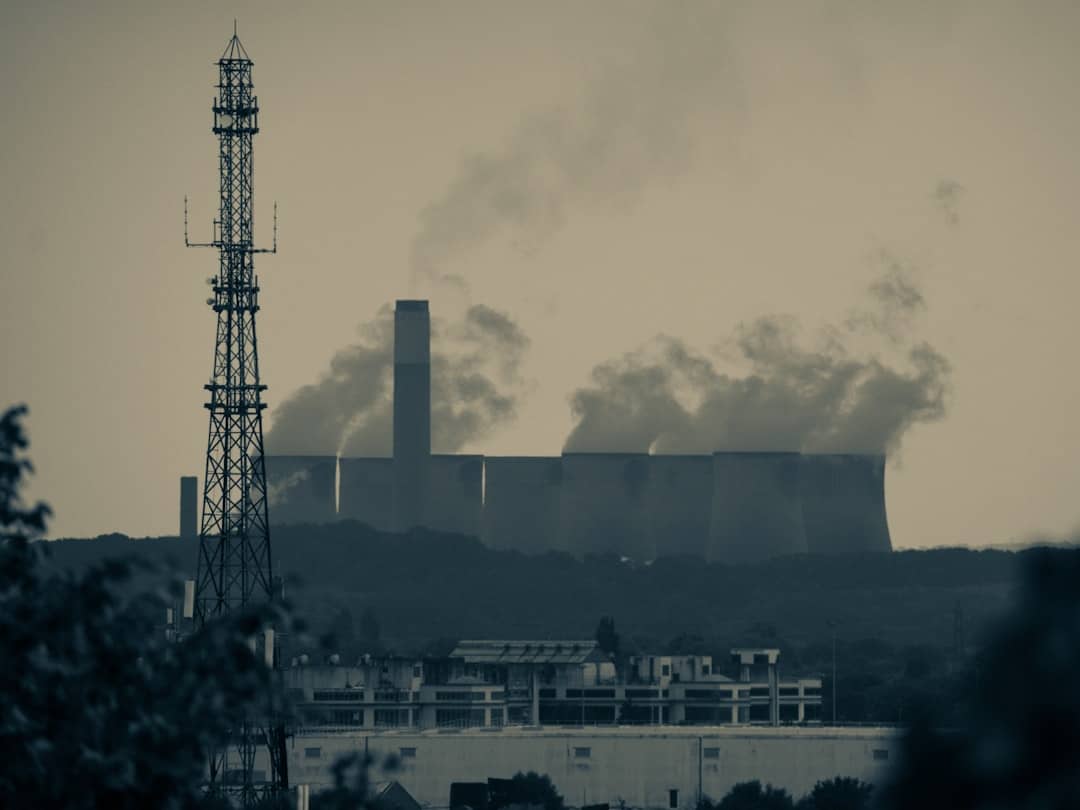
Carbon Capture and Storage (CCS) is an emerging technology aimed at mitigating climate change by reducing carbon dioxide (CO2) emissions from industrial processes and energy production. As global temperatures rise and the impacts of climate change become increasingly evident, the need for effective solutions to curb greenhouse gas emissions has gained urgency.
CCS offers a way to capture CO2 produced from sources such as power plants and industrial facilities, preventing it from entering the atmosphere.
This technology is seen as a critical component in achieving international climate goals, particularly in the context of the Paris Agreement, which aims to limit global warming to well below 2 degrees Celsius.
The concept of CCS is not entirely new; it has been researched and developed over several decades. However, its implementation has gained momentum in recent years due to increasing awareness of climate issues and the need for sustainable energy solutions. By capturing CO2 emissions at their source and storing them safely underground, CCS can play a significant role in transitioning to a low-carbon economy. This technology is particularly relevant for industries that are hard to decarbonize, such as cement and steel production, where alternative methods of reducing emissions are limited.
Carbon Capture and Storage (CCS) technologies are gaining significant attention as a crucial solution for mitigating climate change by reducing carbon dioxide emissions from industrial sources. For a deeper understanding of the implications and advancements in this field, you may find the article on the top astrology software for PC and Mac interesting, as it highlights the importance of technology in various sectors. While it may seem unrelated at first glance, both topics emphasize the role of innovative solutions in addressing contemporary challenges. You can read more about it here: Top 10 Best Astrology Software for PC and Mac 2023.
Key Takeaways
- Carbon Capture and Storage (CCS) involves capturing CO2 emissions from sources and storing them underground to reduce atmospheric pollution.
- CCS technologies include pre-combustion, post-combustion, and oxy-fuel combustion methods for capturing carbon dioxide.
- Captured CO2 is stored in geological formations such as depleted oil and gas fields or deep saline aquifers.
- CCS offers environmental benefits by mitigating climate change but faces challenges like high costs and infrastructure needs.
- Ongoing advancements and supportive policies are crucial for expanding CCS applications and maximizing its future potential.
How Carbon Capture and Storage (CCS) Works
The process of carbon capture and storage involves three main steps: capturing CO2 from emission sources, transporting it to a storage site, and securely storing it underground. The first step, capturing CO2, can be achieved through various methods, including pre-combustion capture, post-combustion capture, and oxy-fuel combustion. Each method has its own advantages and is suited to different types of facilities. For instance, post-combustion capture is commonly used in existing power plants, where CO2 is separated from flue gases after combustion.
Once captured, the CO2 must be transported to a suitable storage site. This transportation typically occurs via pipelines, although it can also be done using ships or trucks in certain cases. The choice of transportation method depends on factors such as distance, volume of CO2, and geographical considerations. The infrastructure for transporting CO2 is still developing in many regions, which presents challenges for widespread adoption of CCS technology.
The final step involves storing the captured CO2 in geological formations deep underground. Suitable storage sites include depleted oil and gas fields, deep saline aquifers, and unmineable coal seams. These formations must have specific geological characteristics to ensure that the CO2 remains trapped and does not leak back into the atmosphere. Monitoring and verification processes are essential to ensure the integrity of storage sites over time.
Types of Carbon Capture Technologies
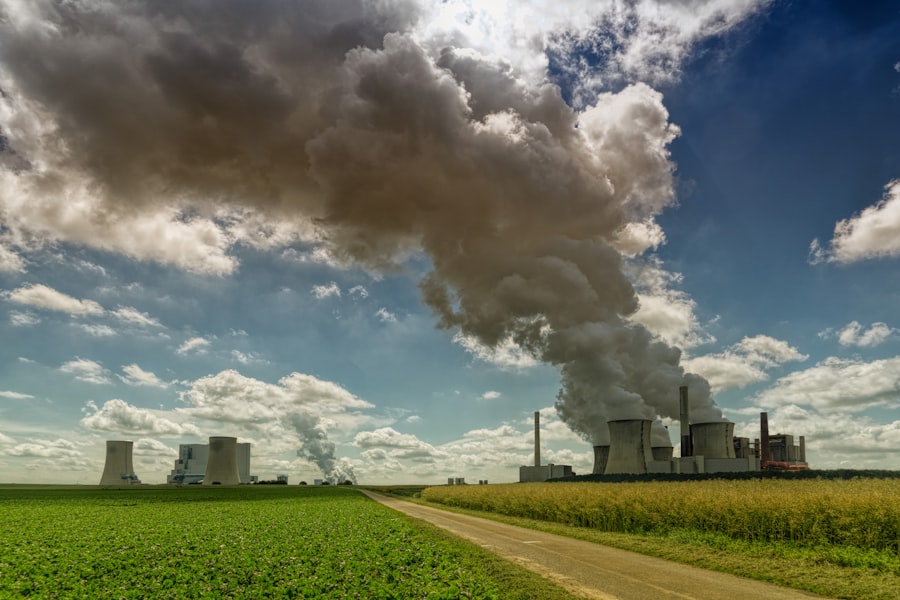
There are several types of carbon capture technologies, each designed to address specific emission sources and operational contexts. Pre-combustion capture involves removing CO2 before fossil fuels are burned. This method is often used in integrated gasification combined cycle (IGCC) power plants, where coal or natural gas is converted into hydrogen and CO2. The hydrogen can then be used as a clean fuel, while the CO2 is captured for storage.
Post-combustion capture is one of the most widely implemented technologies today. It involves capturing CO2 from the flue gases produced after fossil fuels are burned. This method can be retrofitted to existing power plants and industrial facilities, making it a practical option for reducing emissions from established infrastructure. Various solvents and sorbents are used in this process to absorb CO2 from the exhaust gases.
Oxy-fuel combustion is another innovative approach that burns fossil fuels in a mixture of pure oxygen instead of air. This results in a flue gas that is primarily composed of CO2 and water vapor, making it easier to separate and capture the CO2. While this technology shows promise, it requires significant modifications to existing combustion systems and is still under development.
Methods of Carbon Storage

Once CO2 is captured, it must be stored securely to prevent its release into the atmosphere. Geological storage is the most common method employed for this purpose. Depleted oil and gas reservoirs are often considered ideal storage sites because they have already demonstrated their ability to contain hydrocarbons over millions of years. These formations can provide a reliable means of storing large volumes of CO2.
Deep saline aquifers are another potential storage option. These underground formations contain salty water and are typically located at depths greater than 800 meters. The high pressure and temperature conditions found in these aquifers can help keep CO2 in a supercritical state, which enhances its storage capacity. However, the geological characteristics of these formations must be thoroughly assessed to ensure they can safely contain CO2 over the long term.
Unmineable coal seams also present an opportunity for carbon storage. In this method, CO2 is injected into coal seams where it can adsorb onto the coal surface, displacing methane that can be captured for use as an energy source. This dual benefit makes coal seam storage an attractive option in certain regions.
Carbon Capture and Storage (CCS) technologies are gaining significant attention as a viable solution to mitigate climate change by reducing greenhouse gas emissions. For those interested in exploring the broader implications of innovative technologies, a related article discusses the latest advancements in various fields, including interior design software. You can read more about it in this insightful piece on the best software for interior design in 2023, which highlights how technology continues to shape our environments. Check it out here.
Benefits and Challenges of Carbon Capture and Storage (CCS)
| CCS Technology | Capture Method | Typical Capture Efficiency | Storage Type | Storage Capacity (Gt CO2) | Energy Penalty (%) | Current Commercial Status |
|---|---|---|---|---|---|---|
| Post-Combustion Capture | Chemical absorption (amine solvents) | 85-95% | Depleted oil/gas reservoirs, saline aquifers | 1000+ | 15-25% | Commercially available |
| Pre-Combustion Capture | Gasification and physical absorption | 80-90% | Depleted reservoirs, saline aquifers | 1000+ | 10-20% | Commercially available in integrated gasification combined cycle plants |
| Oxy-Fuel Combustion | Combustion with pure oxygen | 90-99% | Saline aquifers, depleted reservoirs | 1000+ | 20-30% | Demonstration stage |
| Direct Air Capture (DAC) | Chemical sorbents or solid adsorbents | ~90% | Saline aquifers, mineralization | Variable, potentially very large | 30-40% | Early commercial and pilot projects |
| Storage Monitoring | Seismic surveys, well logging, soil gas monitoring | N/A | N/A | N/A | N/A | Standard practice for all storage sites |
The benefits of carbon capture and storage are multifaceted. One of the primary advantages is its potential to significantly reduce greenhouse gas emissions from major industrial sources. By capturing CO2 before it enters the atmosphere, CCS can help mitigate climate change while allowing continued use of fossil fuels during the transition to renewable energy sources. This technology can also enhance energy security by enabling cleaner use of existing fossil fuel resources.
However, there are several challenges associated with the widespread adoption of CCS technology. One major hurdle is the high cost of implementation, which includes expenses related to capturing, transporting, and storing CO2. These costs can deter investment in CCS projects, particularly in regions where cheaper alternatives exist. Additionally, public perception and acceptance of CCS can vary; concerns about safety, environmental impacts, and long-term storage integrity may hinder progress.
Regulatory frameworks also play a crucial role in shaping the future of CCS. Clear policies and incentives are needed to encourage investment in this technology and facilitate its integration into existing energy systems. Without supportive regulations, the potential benefits of CCS may not be fully realized.
Carbon Capture and Storage (CCS) technologies play a crucial role in mitigating climate change by capturing carbon dioxide emissions from sources like power plants and storing it underground. For those looking to deepen their understanding of how these technologies work and their potential impact on the environment, a related article can provide valuable insights. You can explore more about enhancing your content strategy with advanced tools by visiting this resource, which discusses innovative approaches to content optimization that can complement the discussions surrounding CCS advancements.
Current Applications of Carbon Capture and Storage (CCS)
As of now, several CCS projects are operational around the world, demonstrating the technology’s viability across different sectors. One notable example is the Boundary Dam project in Canada, which captures CO2 from a coal-fired power plant and stores it underground in a nearby geological formation. This project has successfully demonstrated that CCS can be integrated into existing infrastructure while significantly reducing emissions.
In addition to power generation, CCS is being applied in various industrial processes such as cement production and hydrogen manufacturing. The Norcem cement plant in Norway has implemented CCS technology to capture emissions from its operations, showcasing how this technology can be adapted for hard-to-abate sectors. Similarly, hydrogen production facilities are increasingly exploring CCS as a means to produce low-carbon hydrogen while managing associated emissions.
These current applications highlight the versatility of CCS technology across different industries and its potential to contribute to global emission reduction efforts.
Future Potential and Developments in Carbon Capture and Storage (CCS)
The future potential of carbon capture and storage is significant as advancements continue to emerge in both technology and policy frameworks. Ongoing research aims to improve the efficiency and reduce the costs associated with carbon capture processes.
Innovations such as advanced solvents for post-combustion capture or novel materials for adsorption could enhance performance while lowering operational expenses.
Moreover, there is growing interest in integrating CCS with bioenergy production—a concept known as BECCS (Bioenergy with Carbon Capture and Storage). This approach involves capturing CO2 emitted during biomass energy generation, effectively creating negative emissions when biomass absorbs CO2 during its growth phase. The combination of bioenergy with CCS could play a crucial role in achieving net-zero emissions targets.
As governments around the world commit to more ambitious climate goals, policies supporting CCS development are likely to expand. Financial incentives, research funding, and regulatory frameworks that facilitate project deployment will be essential for scaling up CCS technology.
Environmental and Policy Considerations for Carbon Capture and Storage (CCS)
Environmental considerations surrounding carbon capture and storage include potential risks associated with geological storage sites. Ensuring that these sites are geologically stable and capable of containing CO2 over long periods is paramount for preventing leaks that could undermine climate goals. Continuous monitoring systems must be established to track any changes in pressure or composition within storage formations.
Policy considerations also play a critical role in shaping the future landscape of CCS technology. Governments must create clear regulatory frameworks that address liability issues related to long-term storage sites while providing incentives for investment in CCS projects. International collaboration may also be necessary to share best practices and develop standards for safe implementation.
In conclusion, carbon capture and storage represents a promising avenue for addressing climate change by reducing greenhouse gas emissions from various sectors. While challenges remain regarding cost, public acceptance, and regulatory frameworks, ongoing advancements in technology and supportive policies could pave the way for broader adoption of CCS solutions in the coming years. As nations strive toward ambitious climate targets, CCS will likely play an integral role in achieving a sustainable energy future.
FAQs
What is Carbon Capture and Storage (CCS)?
Carbon Capture and Storage (CCS) is a technology designed to capture carbon dioxide (CO2) emissions from sources like power plants and industrial processes, preventing CO2 from entering the atmosphere. The captured CO2 is then transported and stored underground in geological formations.
How does the carbon capture process work?
The carbon capture process typically involves three main steps: capturing CO2 from emission sources using chemical solvents or physical methods, compressing the captured CO2 for transport, and then transporting it via pipelines or ships to storage sites where it is injected into deep underground rock formations.
Where is the captured carbon dioxide stored?
Captured CO2 is stored in deep geological formations such as depleted oil and gas fields, deep saline aquifers, or unmineable coal seams. These formations are chosen for their ability to securely trap CO2 for long periods, preventing its release back into the atmosphere.
What are the main benefits of CCS technologies?
CCS technologies help reduce greenhouse gas emissions, mitigating climate change by preventing CO2 from reaching the atmosphere. They also enable continued use of fossil fuels in a cleaner way and can support the production of low-carbon hydrogen and other industrial processes.
Are there any risks associated with CCS?
While CCS is generally considered safe, potential risks include leakage of stored CO2 from underground reservoirs, which could impact local environments or human health. Proper site selection, monitoring, and regulation are essential to minimize these risks and ensure long-term storage security.