


Blockchain technology has emerged as a significant innovation with applications across multiple industries, particularly in the energy sector. As a distributed ledger system, blockchain provides secure and transparent transaction recording capabilities that address several challenges present in conventional energy infrastructure. Current energy systems typically operate under centralized management structures and face issues including operational inefficiencies, limited transparency, energy theft, billing errors, and complications in incorporating renewable energy sources into existing grids.
The implementation of blockchain in energy systems represents a structural transformation in energy production, distribution, and consumption patterns rather than simply a technological enhancement. The increasing deployment of distributed energy resources (DERs), including solar photovoltaic systems and wind generation facilities, is disrupting traditional centralized energy generation models. This shift has transformed energy consumers into prosumers—entities that both produce and consume electricity—creating new market dynamics.
Blockchain technology enables direct peer-to-peer energy transactions between prosumers, potentially improving grid stability and reliability while supporting the development of innovative energy services. The technology’s capacity to facilitate transparent, secure transactions without intermediaries makes it particularly relevant for managing the complexity of modern energy systems that incorporate multiple renewable sources and bidirectional energy flows. As global efforts to address climate change intensify and the transition to renewable energy sources accelerates, blockchain applications in energy infrastructure are gaining increased attention from industry stakeholders and policymakers.
Key Takeaways
- Blockchain enhances transparency and security in energy supply chains.
- It enables decentralized, peer-to-peer energy trading platforms.
- Smart contracts automate transactions and grid management processes.
- Adoption faces challenges but offers significant opportunities for innovation.
- Successful case studies demonstrate blockchain’s transformative potential in energy grids.
The Role of Blockchain in Energy Trading
Energy trading has traditionally been dominated by large utilities and intermediaries, which can create inefficiencies and limit market access for smaller players. Blockchain technology has the potential to democratize energy trading by enabling direct transactions between producers and consumers. Through decentralized platforms, individuals with excess energy—such as homeowners with solar panels—can sell their surplus directly to neighbors or businesses without the need for a central authority.
This not only reduces transaction costs but also encourages the use of renewable energy sources by providing financial incentives for their adoption. Moreover, blockchain can streamline the trading process by automating transactions through smart contracts.
For instance, if a homeowner agrees to sell excess solar energy to a neighbor at a predetermined price, a smart contract can automatically execute the transaction once the energy is delivered. This level of automation not only enhances efficiency but also increases trust among participants, as all transactions are recorded on an immutable ledger that is accessible to all parties involved.
Improving Transparency and Security in Energy Supply Chain Management
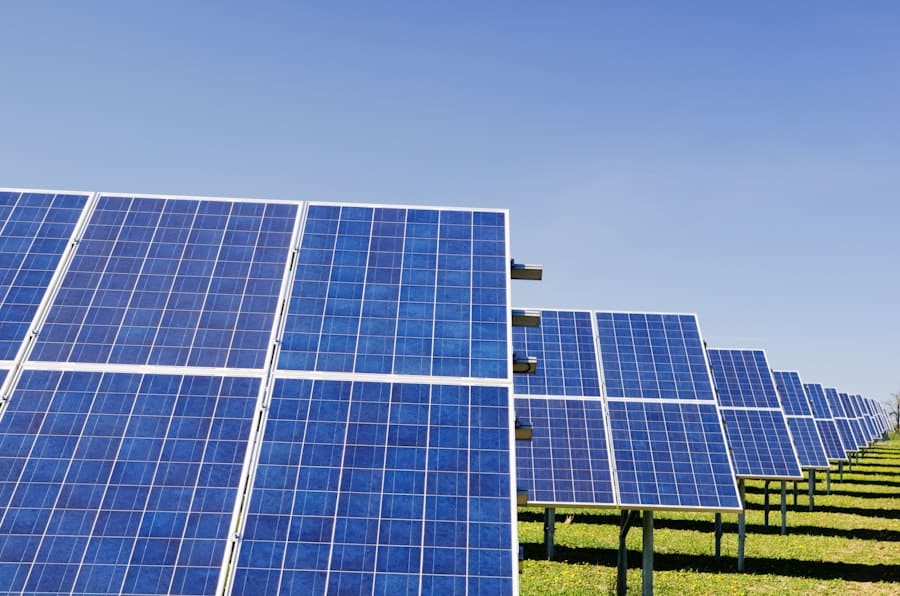
The energy supply chain is often fraught with complexities that can lead to inefficiencies and vulnerabilities. From production to distribution and consumption, each stage involves multiple stakeholders, including producers, distributors, regulators, and consumers. Blockchain technology can significantly enhance transparency within this supply chain by providing a single source of truth that all participants can access.
Each transaction or movement of energy can be recorded on the blockchain, creating an auditable trail that enhances accountability and reduces the potential for fraud. In addition to transparency, blockchain also bolsters security within the energy supply chain. Traditional systems are often vulnerable to cyberattacks and data breaches due to their centralized nature.
By contrast, blockchain operates on a decentralized network where data is distributed across multiple nodes. This makes it significantly more difficult for malicious actors to manipulate or compromise the system. For example, if a hacker were to attempt to alter transaction records in a centralized database, they would only need to breach a single point of entry.
In a blockchain network, however, they would need to gain control over a majority of the nodes simultaneously—a far more challenging task.
Decentralization and Peer-to-Peer Energy Trading
Decentralization is one of the most transformative aspects of blockchain technology in the energy sector. Traditional energy markets are typically centralized, with large utilities controlling production and distribution. This centralization can lead to inefficiencies and limit consumer choice.
Blockchain enables a decentralized approach where individuals can generate their own energy and trade it directly with others in their community. This peer-to-peer (P2P) trading model not only empowers consumers but also promotes local energy resilience. In a P2P trading scenario, individuals can buy and sell energy based on real-time supply and demand dynamics.
For instance, during peak sunlight hours, a homeowner with solar panels may have excess energy that they can sell to neighbors who require additional power. This localized trading reduces reliance on centralized power plants and minimizes transmission losses associated with long-distance electricity transport. Furthermore, P2P trading platforms built on blockchain can facilitate microgrids—small-scale grids that can operate independently or in conjunction with the main grid—enhancing community energy independence and sustainability.
Smart Contracts and Automation in Energy Grids
| Metric | Description | Example Value | Unit |
|---|---|---|---|
| Transaction Speed | Average time to confirm a blockchain transaction in energy trading | 2-5 | seconds |
| Energy Trading Volume | Amount of energy traded via blockchain platforms | 1,000,000 | kWh/month |
| Supply Chain Transparency | Percentage increase in traceability of energy components using blockchain | 85 | % |
| Cost Reduction | Reduction in operational costs due to blockchain implementation | 20-30 | % |
| Smart Contract Usage | Percentage of energy transactions automated via smart contracts | 70 | % |
| Grid Decentralization | Number of decentralized energy producers connected via blockchain | 500+ | producers |
| Data Integrity | Improvement in data accuracy and security in energy supply chain | 99.9 | % |
| Energy Theft Reduction | Decrease in energy theft incidents due to blockchain monitoring | 40 | % |
Smart contracts are a pivotal component of blockchain technology that can revolutionize operations within energy grids. These self-executing contracts automatically enforce agreements between parties based on predefined conditions coded into the blockchain. In the context of energy grids, smart contracts can facilitate various processes such as billing, demand response programs, and grid management.
For example, consider a scenario where an industrial facility agrees to reduce its energy consumption during peak demand periods in exchange for financial incentives. A smart contract can be programmed to monitor real-time energy usage and automatically execute payments when the facility meets its reduction targets. This level of automation not only streamlines operations but also encourages participation in demand response programs that help stabilize the grid during peak times.
Additionally, smart contracts can enhance customer engagement by providing real-time data on energy usage and costs, allowing consumers to make informed decisions about their consumption patterns.
Challenges and Opportunities for Blockchain in Energy Grids

Despite its potential benefits, the integration of blockchain technology into energy grids is not without challenges. One significant hurdle is regulatory uncertainty; many jurisdictions have yet to establish clear guidelines for blockchain applications in the energy sector. This lack of regulatory clarity can deter investment and slow down innovation as companies navigate complex legal landscapes.
Furthermore, interoperability between different blockchain platforms poses another challenge; for blockchain solutions to be effective across various regions and systems, they must be able to communicate seamlessly with one another. On the other hand, these challenges also present opportunities for innovation and collaboration within the industry. As stakeholders recognize the potential of blockchain technology, there is an increasing push for pilot projects and collaborative initiatives aimed at exploring its applications in real-world scenarios.
Industry consortia are forming to develop standards and best practices for blockchain implementation in energy markets. Additionally, advancements in technology—such as improvements in scalability and transaction speed—are continually addressing some of the limitations currently faced by blockchain systems.
Case Studies of Successful Implementation of Blockchain in Energy Grids
Several pioneering projects around the world have successfully implemented blockchain technology within their energy grids, showcasing its potential benefits. One notable example is the Brooklyn Microgrid project in New York City, which allows residents with solar panels to sell excess energy directly to their neighbors using a blockchain-based platform. This initiative not only promotes local renewable energy generation but also fosters community engagement and resilience.
Power Ledger allows users to track their energy consumption and trade surplus solar power with others in their community. The platform has been successfully piloted in various locations across Australia and has garnered interest from international markets looking to replicate its success.
In Europe, the Enerchain project aims to create a decentralized marketplace for wholesale energy trading using blockchain technology. By facilitating direct transactions between buyers and sellers without intermediaries, Enerchain seeks to enhance market efficiency while reducing costs associated with traditional trading methods.
The Future of Blockchain in Energy Grids: Potential Impact and Developments
Looking ahead, the future of blockchain technology in energy grids appears promising as advancements continue to unfold. As more stakeholders recognize the value of decentralized systems and peer-to-peer trading models, we may witness a significant shift towards more democratized energy markets. The integration of artificial intelligence (AI) with blockchain could further enhance grid management by enabling predictive analytics for demand forecasting and optimizing resource allocation.
Moreover, as global efforts intensify towards achieving net-zero emissions targets, blockchain could play a crucial role in tracking carbon credits and facilitating renewable energy certificates (RECs). By providing transparent records of renewable energy generation and consumption, blockchain can help ensure that sustainability claims are verifiable and trustworthy. In conclusion, while challenges remain in terms of regulation and interoperability, the ongoing exploration of blockchain applications within energy grids holds immense potential for transforming how we produce, trade, and consume energy.
As pilot projects continue to demonstrate success and technological advancements pave the way for broader adoption, it is clear that blockchain will play an integral role in shaping the future landscape of the global energy sector.
In exploring the transformative potential of blockchain technology in energy grids, particularly in areas such as trading and supply chain management, it is insightful to consider related advancements in other industries. For instance, the article on the best software for furniture design highlights how innovative technologies are reshaping traditional practices, much like blockchain is doing in the energy sector. You can read more about it in this
 with Electric Vehicles</h4>
</a>
</section>
</nav>
</article>
</div><!-- end content -->
</div><!-- end primary -->
<aside class="aux-sidebar aux-sidebar-primary">
<div class="sidebar-inner">
<div class="sidebar-content">
<div class="aux-widget-area"><section id="block-4" class=" aux-open widget-container widget_block">
<h2 class="wp-block-heading">POPULAR</h2>
</section><section id="block-33" class=" aux-open widget-container widget_block">
<h2 class="wp-block-heading">CATEGORIES</h2>
</section><section id="categories-3" class=" aux-open widget-container widget_categories"><h3 class="widget-title">Categories</h3>
<ul>
<li class="cat-item cat-item-162"><a href="https://enicomp.com/category/5g-wireless-communication-technologies/">5G, Wireless & Communication Technologies</a> (177)
<ul class=)