


Blockchain technology, originally conceived as the backbone of cryptocurrencies like Bitcoin, has emerged as a transformative force across various sectors, including energy. At its core, blockchain is a decentralized ledger that records transactions across multiple computers in a way that ensures the security and transparency of data. This technology has the potential to revolutionize energy grids by enabling more efficient, transparent, and secure transactions among various stakeholders, including producers, consumers, and regulators.
The traditional energy grid is often characterized by centralized control, which can lead to inefficiencies, lack of transparency, and challenges in integrating renewable energy sources. Blockchain offers a solution by facilitating peer-to-peer energy trading, enhancing grid management, and improving overall operational efficiency. The integration of blockchain into energy grids is particularly timely given the global shift towards renewable energy sources.
As countries strive to meet ambitious climate goals, the need for innovative solutions to manage decentralized energy production becomes increasingly critical. Blockchain can help address these challenges by providing a platform for real-time data sharing and transaction processing. This not only enhances the reliability of energy supply but also empowers consumers to take an active role in energy management.
By leveraging blockchain technology, stakeholders can create a more resilient and adaptable energy ecosystem that aligns with the principles of sustainability and decentralization.
Key Takeaways
- Blockchain enhances transparency and security in energy grids through decentralized technology.
- It enables peer-to-peer energy trading, reducing reliance on traditional intermediaries.
- Decentralized energy management improves efficiency and supports renewable energy integration.
- Blockchain streamlines supply chain management, ensuring traceability and reducing fraud.
- Regulatory frameworks and policy development are crucial for widespread blockchain adoption in energy sectors.
Blockchain Applications in Energy Trading
One of the most promising applications of blockchain technology in the energy sector is in the realm of energy trading. Traditional energy markets are often plagued by inefficiencies due to intermediaries, complex pricing structures, and lack of transparency. Blockchain can streamline these processes by enabling direct transactions between producers and consumers.
For instance, peer-to-peer (P2P) energy trading platforms allow individuals with solar panels to sell excess energy directly to their neighbors without the need for a utility company as an intermediary. This not only reduces costs but also fosters a sense of community and encourages the adoption of renewable energy sources. Several pilot projects have demonstrated the viability of blockchain-based energy trading.
One notable example is the Brooklyn Microgrid project in New York City, which allows residents to buy and sell solar energy generated from their rooftops using a blockchain platform. Participants can track their energy transactions in real-time, ensuring transparency and trust among users. This model not only empowers consumers but also contributes to grid stability by promoting localized energy production and consumption.
As more communities explore similar initiatives, the potential for blockchain to reshape energy trading becomes increasingly evident.
Decentralized Energy Management with Blockchain

Decentralized energy management is another area where blockchain technology can make a significant impact. Traditional energy management systems are often centralized, leading to bottlenecks and inefficiencies in data processing and decision-making. By utilizing blockchain, energy management can become more decentralized, allowing for real-time data sharing among all participants in the grid.
This decentralization enables better demand response strategies, where consumers can adjust their energy usage based on real-time pricing signals or grid conditions. For example, smart meters equipped with blockchain technology can provide consumers with detailed insights into their energy consumption patterns. This data can be used to optimize usage during peak hours or when renewable energy generation is high.
Additionally, decentralized energy management systems can facilitate automated demand response programs that incentivize users to reduce consumption during peak demand periods. By aligning consumer behavior with grid needs, blockchain can enhance overall grid reliability and efficiency while promoting sustainable practices.
Improving Energy Supply Chain Management with Blockchain
The energy supply chain is complex, involving multiple stakeholders from production to distribution and consumption.
Blockchain technology can significantly enhance supply chain management by providing a transparent and immutable record of all transactions.
This capability is particularly valuable in tracking renewable energy certificates (RECs) and carbon credits, which are essential for regulatory compliance and sustainability reporting. For instance, consider the process of certifying renewable energy generation. Traditionally, this process involves numerous intermediaries who verify and track the generation of renewable energy certificates.
By implementing a blockchain solution, each certificate can be recorded on a decentralized ledger that is accessible to all stakeholders. This not only reduces administrative costs but also minimizes the risk of fraud or double counting of certificates. Furthermore, blockchain can facilitate real-time tracking of energy flows from generation to consumption, enabling better forecasting and planning for both producers and grid operators.
Challenges and Opportunities of Implementing Blockchain in Energy Grids
| Metric | Description | Example Value | Unit |
|---|---|---|---|
| Transaction Speed | Average time to confirm a blockchain transaction in energy trading | 2-5 | seconds |
| Energy Trading Volume | Amount of energy traded via blockchain platforms | 1,000,000 | kWh/month |
| Supply Chain Transparency | Percentage of supply chain steps recorded on blockchain | 85 | % |
| Cost Reduction | Reduction in operational costs due to blockchain implementation | 15 | % |
| Smart Contract Usage | Percentage of transactions automated via smart contracts | 70 | % |
| Grid Decentralization | Number of decentralized energy producers connected | 500 | producers |
| Data Integrity | Instances of data tampering detected in supply chain | 0 | cases |
| Energy Loss Reduction | Decrease in energy loss due to improved tracking and management | 8 | % |
Despite its potential benefits, the implementation of blockchain technology in energy grids is not without challenges. One significant hurdle is the scalability of blockchain networks. As more transactions are added to the blockchain, the system must be able to handle increased data loads without compromising speed or efficiency.
Current blockchain solutions may struggle with high transaction volumes typical in large-scale energy markets, necessitating further technological advancements. Another challenge lies in regulatory frameworks that govern the energy sector. Many jurisdictions have established regulations that may not accommodate decentralized models of energy trading or management.
Policymakers must navigate these regulatory landscapes carefully to create an environment conducive to innovation while ensuring consumer protection and grid reliability. However, these challenges also present opportunities for collaboration among stakeholders, including technology providers, utilities, regulators, and consumers. By working together to address these issues, the industry can pave the way for a more resilient and efficient energy future.
Case Studies of Successful Blockchain Integration in Energy Grids
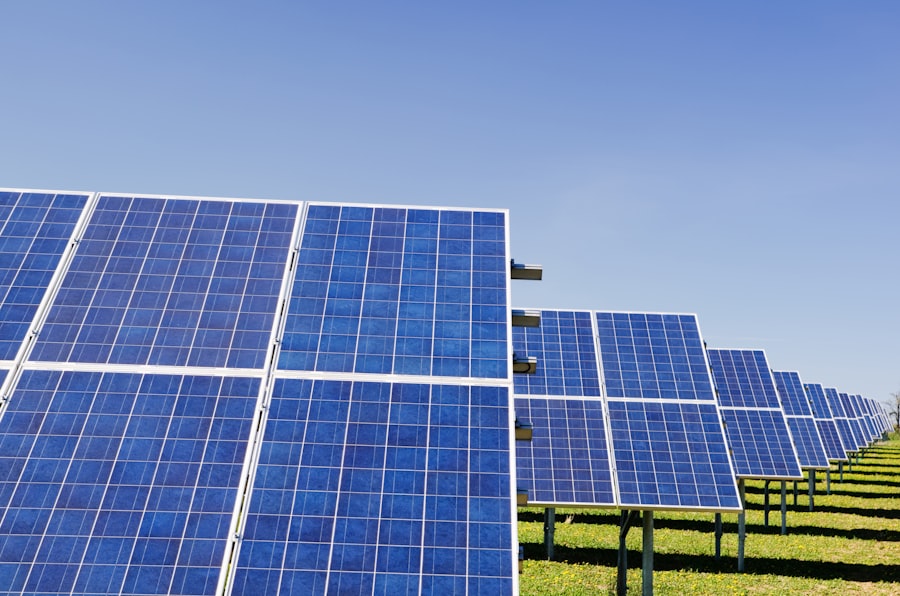
Several case studies illustrate the successful integration of blockchain technology into energy grids around the world. One prominent example is the Power Ledger project in Australia, which enables peer-to-peer energy trading through its blockchain platform. Power Ledger allows users to buy and sell excess solar power directly with one another, creating a decentralized marketplace that empowers consumers while promoting renewable energy adoption.
The platform has been piloted in various communities across Australia and has garnered interest from international markets seeking similar solutions.
The Brooklyn Microgrid initiative allows residents to trade solar power generated from their rooftops using a secure blockchain platform.
Participants can monitor their transactions in real-time while contributing to a more sustainable local energy ecosystem. These case studies demonstrate not only the feasibility of blockchain applications in real-world scenarios but also highlight the potential for scalability as more communities adopt similar models.
Regulatory and Policy Implications of Blockchain in Energy Grids
The integration of blockchain technology into energy grids raises important regulatory and policy considerations that must be addressed to ensure its successful implementation. One key issue is how existing regulations will adapt to accommodate decentralized models of energy trading and management. Traditional regulatory frameworks often assume a centralized utility model, which may not align with the principles of blockchain-based systems that promote peer-to-peer interactions.
Policymakers must consider how to create a regulatory environment that encourages innovation while safeguarding consumer interests and ensuring grid reliability. This may involve revising existing regulations or developing new policies that specifically address blockchain applications in the energy sector. Additionally, collaboration between regulators and industry stakeholders will be crucial in establishing standards for data privacy, security, and interoperability among different blockchain platforms.
Future Outlook for Blockchain Technology in Energy Grids
Looking ahead, the future of blockchain technology in energy grids appears promising as advancements continue to unfold across various dimensions of this innovative solution. As more pilot projects demonstrate success and scalability becomes feasible, we can expect broader adoption of blockchain applications within the energy sector. The ongoing transition towards renewable energy sources will further drive demand for decentralized solutions that enhance efficiency and empower consumers.
Moreover, as regulatory frameworks evolve to accommodate new technologies, we may see increased collaboration among utilities, technology providers, and policymakers aimed at fostering innovation while ensuring grid stability and consumer protection. The potential for blockchain to facilitate real-time data sharing and improve operational efficiencies presents an exciting opportunity for reshaping how we produce, distribute, and consume energy in a sustainable manner. In conclusion, while challenges remain in implementing blockchain technology within energy grids, its transformative potential cannot be overlooked.
The ongoing exploration of decentralized models for energy trading and management signifies a shift towards a more resilient and sustainable future for global energy systems. As stakeholders continue to navigate this evolving landscape, the integration of blockchain technology will likely play a pivotal role in shaping the future of energy grids worldwide.
In exploring the transformative potential of blockchain technology in energy grids, particularly in trading and supply chain management, it is essential to consider the broader implications of digital innovations across various sectors. For instance, the article on how to choose a smartphone for a chief executive highlights the importance of technology in enhancing operational efficiency and decision-making processes. You can read more about it here. This connection underscores the significance of integrating advanced technologies like blockchain not only in energy but also in other critical areas of business management.
FAQs
What is blockchain technology?
Blockchain is a decentralized digital ledger that records transactions across multiple computers in a way that ensures security, transparency, and immutability. It allows data to be stored in blocks that are linked chronologically, making it difficult to alter past records.
How is blockchain used in energy grids?
Blockchain is used in energy grids to facilitate peer-to-peer energy trading, improve transparency in energy transactions, enhance supply chain management, and enable more efficient and secure data sharing among stakeholders in the energy sector.
What are the benefits of using blockchain for energy trading?
Blockchain enables secure, transparent, and real-time trading of energy between producers and consumers without the need for intermediaries. This can reduce transaction costs, increase market efficiency, and empower prosumers (consumers who also produce energy).
How does blockchain improve supply chain management in the energy sector?
Blockchain provides an immutable record of the origin, movement, and ownership of energy resources and equipment. This enhances traceability, reduces fraud, ensures compliance with regulations, and improves coordination among suppliers, manufacturers, and distributors.
Can blockchain help integrate renewable energy sources into the grid?
Yes, blockchain can facilitate the integration of distributed renewable energy sources by enabling transparent tracking of energy generation and consumption, supporting microgrid management, and incentivizing renewable energy production through tokenized rewards.
What challenges exist in implementing blockchain in energy grids?
Challenges include scalability issues, high energy consumption of some blockchain networks, regulatory uncertainties, interoperability with existing systems, and the need for stakeholder collaboration and technological expertise.
Is blockchain technology widely adopted in the energy sector?
While blockchain adoption in energy grids is growing, it is still in the early stages. Several pilot projects and startups are exploring its potential, but widespread implementation requires overcoming technical, regulatory, and market barriers.
How does blockchain ensure security in energy transactions?
Blockchain uses cryptographic techniques to secure data and transactions. Its decentralized nature reduces the risk of single points of failure or cyberattacks, and consensus mechanisms ensure that only valid transactions are recorded.
What role do smart contracts play in blockchain-based energy systems?
Smart contracts are self-executing contracts with the terms directly written into code. In energy systems, they automate processes such as energy trading, billing, and compliance, reducing administrative overhead and increasing efficiency.
Can consumers benefit from blockchain in energy grids?
Yes, consumers can benefit by gaining more control over their energy usage and costs, participating in peer-to-peer energy trading, accessing transparent billing, and supporting sustainable energy practices.