


Bitcoin Ordinals are a technical innovation that enables the inscription and permanent recording of digital data onto individual satoshis—the smallest unit of Bitcoin, equivalent to 0.00000001 BTC. Unlike standard Bitcoin transactions that record only value transfers, Ordinals allow users to attach metadata or unique identifiers directly to specific satoshis, creating non-fungible tokens (NFTs) on the Bitcoin blockchain. Casey Rodarmor introduced this technology in early 2023.
The functionality of Bitcoin Ordinals operates by sequentially numbering each satoshi based on the order in which it was mined, then inscribing arbitrary data—such as images, text, or code—into Bitcoin transactions. This data becomes permanently embedded in the blockchain, making it immutable and verifiable. The inscribed satoshis can then be tracked and transferred, establishing provable ownership and scarcity.
Bitcoin Ordinals expand Bitcoin’s technical capabilities beyond its primary function as a peer-to-peer payment system. The technology enables the creation and trading of digital art and collectibles directly on the Bitcoin network, with ownership verified through the blockchain. Developers have begun exploring additional applications, including decentralized identity systems, digital certificates, and other use cases that leverage the immutability and security properties of Bitcoin’s distributed ledger.
This development has positioned Bitcoin as a platform for diverse digital asset applications beyond currency transactions.
Key Takeaways
- Bitcoin Ordinals enable unique digital inscriptions on individual satoshis, expanding Bitcoin’s functionality beyond simple transactions.
- BRC-20 tokens represent a new class of fungible tokens on Bitcoin, inspired by Ethereum’s ERC-20 standard.
- These innovations could significantly impact Bitcoin’s ecosystem by introducing new use cases but also raise scalability and network congestion concerns.
- Regulatory and compliance challenges are emerging as authorities assess the implications of tokenization on Bitcoin.
- The future of Bitcoin Ordinals and BRC-20 tokens depends on community adoption, technological development, and regulatory clarity.
The Rise of BRC-20 Tokens
BRC-20 tokens have emerged as a groundbreaking development within the Bitcoin ecosystem, drawing inspiration from Ethereum’s ERC-20 token standard. The BRC-20 standard allows developers to create fungible tokens on the Bitcoin blockchain, utilizing the same ordinal inscription mechanism that underpins Bitcoin Ordinals. This innovation has led to a surge in interest and experimentation, as developers seek to harness the power of Bitcoin for token creation and decentralized finance (DeFi) applications.
The rise of BRC-20 tokens is indicative of a broader trend towards expanding Bitcoin’s functionality beyond its original design as a peer-to-peer electronic cash system. By enabling the creation of fungible tokens, BRC-20 facilitates a range of use cases, from decentralized exchanges to liquidity pools and yield farming. This newfound flexibility has attracted attention from both developers and investors, who see the potential for Bitcoin to compete with established smart contract platforms like Ethereum.
As more projects adopt the BRC-20 standard, the landscape of Bitcoin’s ecosystem is evolving rapidly, creating opportunities for innovation and collaboration.
The Potential Impact on Bitcoin’s Ecosystem
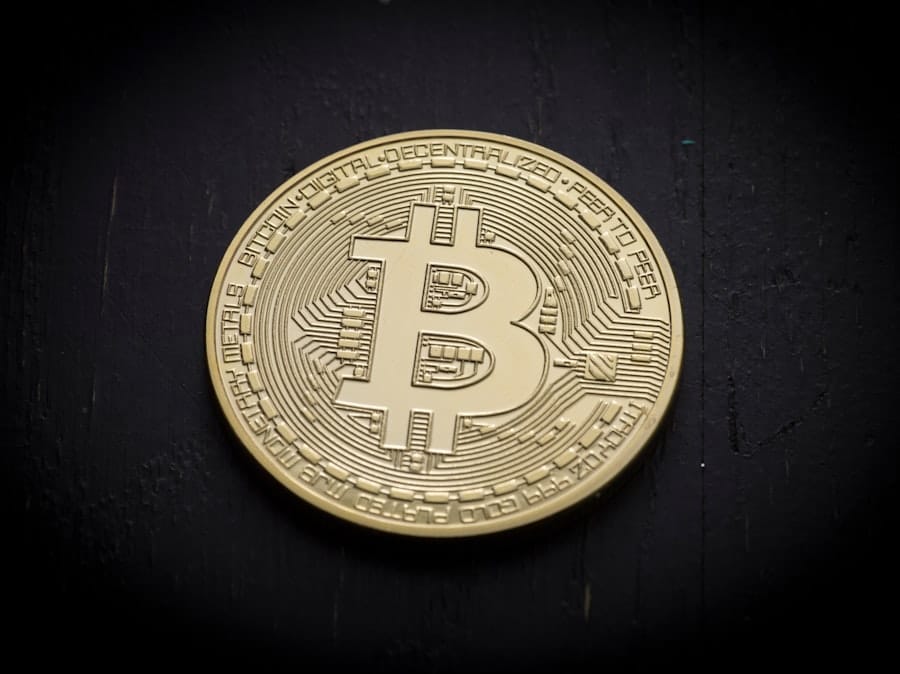
The introduction of Bitcoin Ordinals and BRC-20 tokens has the potential to significantly reshape the Bitcoin ecosystem. Traditionally viewed as a store of value and a medium of exchange, Bitcoin is now being positioned as a platform for digital asset creation and management. This shift could lead to increased adoption among developers and users who are looking for alternatives to Ethereum and other smart contract platforms.
As more projects leverage the capabilities of BRC-20 tokens, we may witness a diversification of use cases that enhance Bitcoin’s overall utility. Moreover, the integration of fungible tokens into the Bitcoin ecosystem could foster greater liquidity and trading opportunities. With BRC-20 tokens, users can engage in token swaps, participate in decentralized finance protocols, and explore new investment strategies that were previously unavailable on the Bitcoin network.
This increased activity could lead to higher transaction volumes and greater engagement within the community, ultimately strengthening Bitcoin’s position in the broader cryptocurrency market. However, this evolution also raises questions about scalability and network congestion, as increased usage may strain the existing infrastructure.
Advantages and Disadvantages of Bitcoin Ordinals and BRC-20 Tokens
The advantages of Bitcoin Ordinals and BRC-20 tokens are manifold. One of the most significant benefits is the ability to leverage Bitcoin’s robust security model. The Bitcoin blockchain is renowned for its resilience against attacks and its decentralized nature, which provides a level of trust that is difficult to replicate on other platforms.
By creating digital assets on this secure foundation, developers can offer users a sense of confidence in their investments. Additionally, the introduction of BRC-20 tokens allows for greater flexibility in asset creation. Developers can design tokens tailored to specific use cases, whether for gaming, social media, or financial applications.
This versatility can lead to innovative projects that push the boundaries of what is possible within the Bitcoin ecosystem. Furthermore, as more users become familiar with these new token standards, we may see an increase in community-driven initiatives that foster collaboration and creativity. However, there are also notable disadvantages associated with Bitcoin Ordinals and BRC-20 tokens.
One primary concern is the potential for network congestion as more users engage with these new functionalities. The Bitcoin network has historically faced challenges related to scalability, particularly during periods of high demand. If BRC-20 tokens gain widespread adoption without adequate solutions to address scalability issues, users may experience slower transaction times and higher fees.
Another challenge lies in the regulatory landscape surrounding these new token standards. As governments around the world grapple with how to classify and regulate cryptocurrencies, projects utilizing BRC-20 tokens may face scrutiny that could hinder their development or adoption. The lack of clear regulatory guidance can create uncertainty for developers and investors alike, potentially stifling innovation in this burgeoning space.
Regulatory Challenges and Compliance Issues
| Metric | Description | Value / Data | Notes |
|---|---|---|---|
| Bitcoin Ordinals | Number of inscribed satoshis with unique data | Over 500,000 | As of mid-2024, growing rapidly |
| BRC-20 Tokens | Number of BRC-20 tokens minted | Approximately 1,200 | Tokens created using ordinal inscriptions |
| Average Inscription Size | Average data size per ordinal inscription | ~4 KB | Varies depending on content type |
| Transaction Fees | Average fee for ordinal inscription transactions | 0.0005 BTC | Higher than standard BTC transactions due to data size |
| Block Space Usage | Percentage of block space used by ordinals | Up to 20% | Impacts block size and miner incentives |
| Market Activity | Daily BRC-20 token transfers | ~10,000 transactions | Indicative of growing ecosystem |
| Wallet Support | Number of wallets supporting ordinals and BRC-20 | 15+ | Includes specialized and mainstream wallets |
| Security Considerations | Risks associated with ordinals and BRC-20 tokens | Moderate | Potential for spam and increased chain bloat |
The regulatory environment surrounding cryptocurrencies is complex and continually evolving.
One significant challenge is determining how these new token standards fit within existing regulatory classifications.
For instance, are BRC-20 tokens considered securities? If so, they may be subject to stringent regulations that could impact their issuance and trading. Moreover, different jurisdictions have varying approaches to cryptocurrency regulation.
In some countries, authorities have embraced innovation by creating favorable regulatory environments for blockchain projects.
This patchwork of regulations creates uncertainty for developers looking to launch projects based on BRC-20 tokens or Ordinals.
Navigating these complexities requires a deep understanding of local laws and regulations, which can be daunting for new entrants in the space. Compliance issues also extend to anti-money laundering (AML) and know-your-customer (KYC) requirements. As decentralized finance (DeFi) applications built on BRC-20 tokens gain popularity, regulators may impose stricter requirements to prevent illicit activities such as money laundering or fraud.
Developers must be proactive in implementing compliance measures to ensure their projects align with regulatory expectations while maintaining user privacy and decentralization principles.
The Future of Bitcoin Ordinals and BRC-20 Tokens

Looking ahead, the future of Bitcoin Ordinals and BRC-20 tokens appears promising yet uncertain. As more developers experiment with these new standards, we can expect an influx of innovative projects that leverage their unique capabilities. The potential for creating diverse digital assets on the Bitcoin blockchain could lead to a vibrant ecosystem where artists, developers, and investors collaborate to push boundaries.
However, challenges remain that could impact their long-term viability. Scalability issues must be addressed to accommodate increased usage without compromising transaction efficiency or user experience. Solutions such as layer-two scaling technologies or improvements to the underlying protocol may be necessary to ensure that Bitcoin can support a growing number of transactions related to Ordinals and BRC-20 tokens.
Additionally, regulatory clarity will play a crucial role in shaping the future landscape of these innovations. As governments establish clearer guidelines for cryptocurrencies and digital assets, developers will be better equipped to navigate compliance challenges while fostering innovation. The balance between regulation and decentralization will be critical in determining how these new token standards evolve within the broader cryptocurrency ecosystem.
Potential Use Cases for BRC-20 Tokens
BRC-20 tokens present a myriad of potential use cases that could revolutionize various industries by leveraging Bitcoin’s security and decentralization features. One prominent application is in decentralized finance (DeFi), where BRC-20 tokens can facilitate lending, borrowing, and trading without intermediaries. By creating liquidity pools or decentralized exchanges using BRC-20 tokens, users can engage in financial activities while retaining control over their assets.
Another exciting use case lies in gaming and virtual worlds. Developers can create in-game currencies or assets as BRC-20 tokens that players can trade or utilize across different platforms. This interoperability could enhance user experiences by allowing players to transfer value seamlessly between games or virtual environments while maintaining ownership over their digital assets.
Furthermore, BRC-20 tokens could play a significant role in social media platforms by enabling content creators to monetize their work directly through tokenized rewards or subscriptions. By integrating BRC-20 tokens into social media ecosystems, creators can receive compensation from their audiences without relying on traditional advertising models or intermediaries.
How to Get Started with Bitcoin Ordinals and BRC-20 Tokens
For those interested in exploring Bitcoin Ordinals and BRC-20 tokens, getting started involves several key steps that require both technical knowledge and an understanding of the broader cryptocurrency landscape. First and foremost, individuals should familiarize themselves with the underlying technology behind Bitcoin Ordinals—specifically how ordinal inscriptions work—and how they differ from traditional transactions on the Bitcoin blockchain. Next, aspiring developers should consider setting up a wallet that supports ordinal inscriptions and BRC-20 token transactions.
Several wallets have emerged that cater specifically to these functionalities, allowing users to manage their inscribed satoshis and fungible tokens seamlessly. It’s essential to choose a wallet that prioritizes security while offering user-friendly features for managing digital assets. Once equipped with a suitable wallet, individuals can begin exploring existing projects built on BRC-20 standards or even consider developing their own tokenized applications.
Engaging with online communities dedicated to Bitcoin Ordinals can provide valuable insights into best practices, ongoing developments, and potential collaborations with other developers interested in this innovative space. In conclusion, as interest in Bitcoin Ordinals and BRC-20 tokens continues to grow, individuals who take proactive steps toward understanding these technologies will be well-positioned to participate in shaping their future within the cryptocurrency ecosystem.
In exploring the innovative landscape of Bitcoin Ordinals and BRC-20 tokens, it’s fascinating to consider how these developments might influence user experience in the broader tech ecosystem. For insights into enhancing user experience, you might find the article on

<ul class=)