

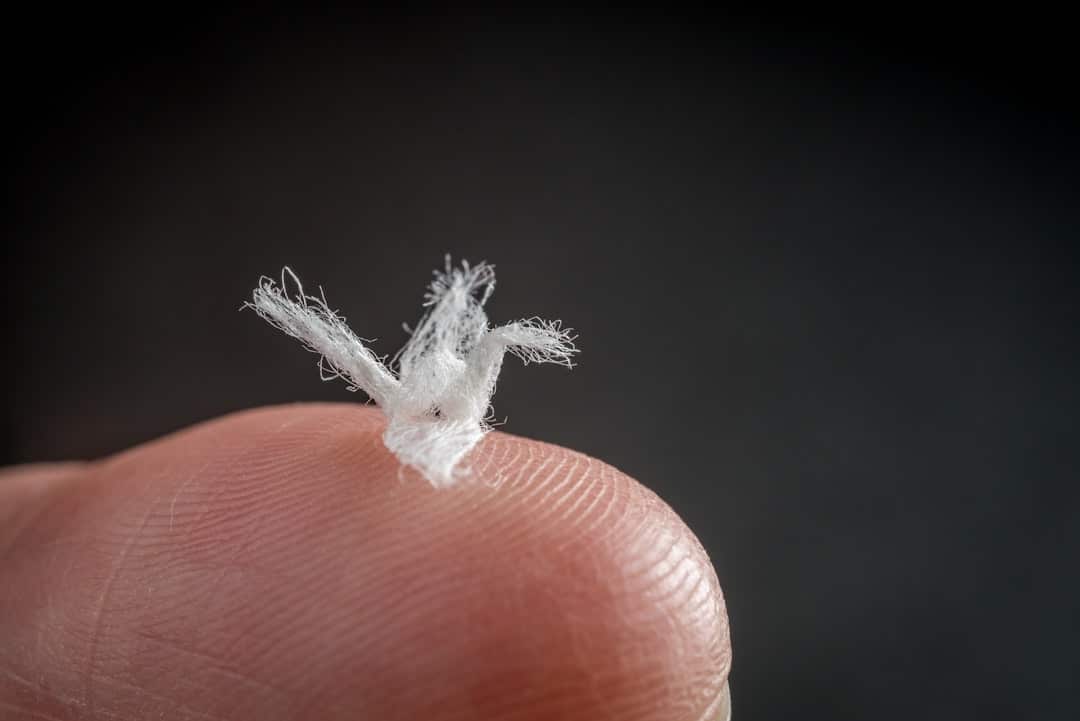
Bioprinting is an innovative technology that combines principles of 3D printing with biological materials to create living tissues and organs. This process involves the layer-by-layer deposition of bioinks, which are composed of living cells and biomaterials, to fabricate complex tissue structures. The potential applications of bioprinting are vast, ranging from regenerative medicine to drug testing, and it represents a significant advancement in the field of tissue engineering. By enabling the creation of tissues that closely mimic natural biological structures, bioprinting holds promise for improving the efficacy and safety of drug development.
The development of bioprinting technology has been driven by the need for more effective methods of testing pharmaceuticals. Traditional drug testing often relies on animal models, which can be ethically contentious and may not accurately predict human responses. Bioprinted tissues offer a more relevant alternative, as they can be designed to replicate human physiology more closely. This capability not only enhances the reliability of drug testing but also addresses some of the ethical concerns associated with animal experimentation. As research in this field progresses, bioprinting is poised to revolutionize how drugs are developed and tested.
Bioprinting 3D tissues for drug testing is a groundbreaking advancement that aims to replace traditional animal testing methods, offering a more ethical and efficient approach to pharmaceutical research. This innovative technology allows for the creation of human-like tissues that can mimic the responses of actual human organs, significantly improving the accuracy of drug efficacy and safety assessments. For further insights into emerging trends in technology and their impact on various industries, you can explore a related article on the latest developments in social media and technology at Top Trends on Instagram 2023.
Key Takeaways
- Bioprinting 3D tissues offers a promising alternative to traditional animal testing in drug development.
- Ethical concerns and scientific limitations challenge the continued use of animal testing.
- Bioprinted tissues provide more accurate, human-relevant models for drug efficacy and toxicity testing.
- Technical and biological challenges remain in perfecting bioprinted tissue complexity and functionality.
- Regulatory frameworks are evolving to address the legal implications of using bioprinted tissues in drug testing.
The Ethical and Scientific Issues with Animal Testing
Animal testing has long been a cornerstone of biomedical research, providing insights into the safety and efficacy of new drugs. However, this practice raises significant ethical concerns regarding the treatment of animals and their welfare. Critics argue that subjecting animals to experimentation can cause unnecessary suffering and that the moral implications of using sentient beings for research should not be overlooked. Additionally, there is growing recognition that animal models do not always accurately predict human responses due to biological differences between species. This discrepancy can lead to ineffective or harmful drugs being approved for human use.
The scientific validity of animal testing is increasingly being questioned as well. Many researchers have pointed out that results obtained from animal studies do not always translate effectively to human patients. Factors such as genetic variability, environmental influences, and differences in metabolism can all contribute to discrepancies in drug responses between animals and humans. As a result, there is a pressing need for alternative methods that can provide more reliable data while minimizing ethical concerns. Bioprinting 3D tissues presents a potential solution by offering a platform for testing drugs in a more human-relevant context.
The Advantages of Bioprinting 3D Tissues for Drug Testing
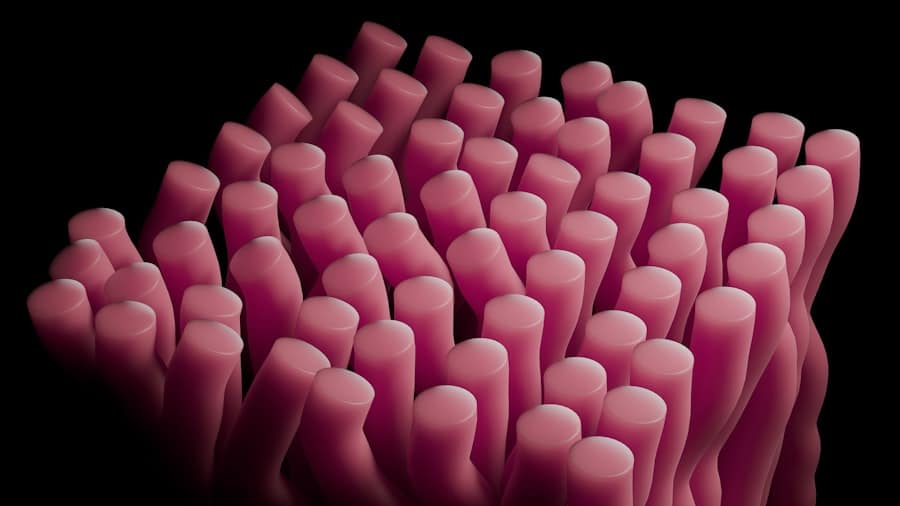
One of the primary advantages of bioprinting 3D tissues is its ability to create models that closely resemble human tissues in terms of structure and function. This similarity allows researchers to conduct drug tests that are more predictive of human responses, potentially leading to better outcomes in clinical trials. By utilizing bioprinted tissues, scientists can assess how drugs interact with specific cell types and study the effects of various compounds on tissue behavior in real-time. This level of detail is often unattainable with traditional animal models.
Moreover, bioprinting offers the possibility of high-throughput screening, where multiple drug candidates can be tested simultaneously on different tissue constructs. This efficiency can significantly accelerate the drug development process, reducing both time and costs associated with bringing new therapies to market. Additionally, bioprinted tissues can be customized to reflect specific patient populations or disease states, allowing for personalized medicine approaches that tailor treatments to individual needs. This adaptability enhances the relevance of drug testing and may lead to more effective therapeutic strategies.
The Challenges of Bioprinting 3D Tissues
Despite its potential advantages, bioprinting 3D tissues faces several challenges that must be addressed before it can be widely adopted in drug testing. One significant hurdle is the complexity of creating functional tissues that mimic the intricate architecture and cellular interactions found in vivo.
Achieving the right balance between cell types, extracellular matrix components, and growth factors is crucial for developing tissues that behave like their natural counterparts.
Researchers are continually working to refine bioink formulations and printing techniques to overcome these limitations.
Another challenge lies in the scalability and reproducibility of bioprinted tissues. While small-scale models may demonstrate promising results, translating these findings to larger constructs suitable for drug testing remains a significant obstacle. Ensuring consistent quality across batches is essential for regulatory approval and clinical application. Additionally, the integration of vascular networks within bioprinted tissues is critical for sustaining cell viability over extended periods, yet this remains a complex engineering problem that researchers are actively trying to solve.
Bioprinting 3D tissues for drug testing is revolutionizing the way we approach pharmaceutical development, offering a promising alternative to traditional animal testing methods. As researchers continue to explore innovative technologies, the integration of smart devices in healthcare is also gaining attention. For instance, a related article discusses how certain smartwatches enhance user experience by allowing them to view pictures directly on their devices. This advancement in wearable technology could potentially play a role in monitoring health metrics during drug trials. To learn more about this, you can read the article here.
Current Applications of Bioprinting 3D Tissues for Drug Testing
| Metric | Value | Unit | Notes |
|---|---|---|---|
| Accuracy of Drug Response Prediction | 85-95 | Percent | Compared to traditional animal models |
| Time to Obtain Results | 1-2 | Weeks | Faster than animal testing which can take months |
| Cost Reduction | 30-50 | Percent | Compared to conventional animal testing expenses |
| Types of Tissues Bioprinted | 5 | Number | Includes liver, heart, skin, kidney, and lung tissues |
| Cell Viability Post-Printing | 90-98 | Percent | Indicates health of cells after bioprinting process |
| Reduction in Animal Use | 60-80 | Percent | Estimated decrease in animal testing due to bioprinting adoption |
| Scaffold Material Biocompatibility | High | Qualitative | Ensures tissue functionality and integration |
| Reproducibility of Tissue Models | 90 | Percent | Consistency across multiple bioprinted samples |
Currently, bioprinting technology is being explored in various applications related to drug testing across multiple fields, including oncology, cardiology, and neurology. In cancer research, for instance, bioprinted tumor models are being developed to study tumor behavior and response to chemotherapy agents. These models allow researchers to investigate how different cancer types react to various treatments in a controlled environment that mimics human physiology.
In addition to cancer research, bioprinted cardiac tissues are being utilized to assess the cardiotoxicity of new drugs. By creating heart tissue constructs that replicate the structure and function of human heart cells, researchers can evaluate how drugs affect cardiac function and identify potential side effects early in the development process. Similarly, bioprinted neural tissues are being explored for studying neurodegenerative diseases and screening drugs aimed at treating conditions such as Alzheimer’s disease. These applications highlight the versatility of bioprinting technology in addressing diverse challenges within drug development.
Bioprinting 3D tissues for drug testing is a groundbreaking advancement that aims to replace traditional animal testing methods, offering a more ethical and efficient approach to pharmaceutical research. This innovative technology not only enhances the accuracy of drug efficacy and safety assessments but also aligns with the growing demand for humane alternatives in scientific studies. For those interested in exploring how technology is reshaping various fields, a related article discusses the best order flow trading software, providing in-depth reviews and analysis that highlight the intersection of technology and practical applications. You can read more about it in this insightful piece on order flow trading software.
The Future of Bioprinting 3D Tissues for Drug Testing
The future of bioprinting 3D tissues for drug testing appears promising as advancements in technology continue to emerge. Ongoing research aims to enhance the complexity and functionality of bioprinted tissues, with a focus on integrating multiple cell types and creating vascularized structures that better mimic human organs. As these technologies evolve, it is likely that bioprinted tissues will become increasingly sophisticated, allowing for more accurate predictions of drug efficacy and safety.
Furthermore, the integration of artificial intelligence (AI) and machine learning into bioprinting processes may streamline tissue design and optimization. By analyzing large datasets from previous experiments, AI algorithms could help identify optimal bioink compositions or printing parameters, accelerating the development of reliable tissue models. As regulatory frameworks adapt to accommodate these innovations, bioprinting could become a standard practice in drug testing, ultimately leading to safer and more effective therapies for patients.
Regulatory and Legal Implications of Bioprinting 3D Tissues
As bioprinting technology advances, regulatory bodies will need to establish guidelines that address the unique challenges posed by this emerging field. Current regulations surrounding drug testing primarily focus on traditional methods involving animal models or in vitro assays; however, bioprinted tissues present a new paradigm that may require tailored regulatory approaches. Ensuring the safety and efficacy of bioprinted tissues will necessitate rigorous validation processes before they can be used in clinical settings.
Legal implications also arise concerning intellectual property rights related to bioprinting technologies and bioinks. As researchers develop proprietary methods or materials for creating bioprinted tissues, questions about ownership and patentability will need to be addressed. Additionally, ethical considerations surrounding the use of human cells in bioprinting will require careful oversight to ensure compliance with existing laws regarding consent and tissue donation.
The Potential of Bioprinting 3D Tissues for Drug Testing
In conclusion, bioprinting 3D tissues represents a significant advancement in drug testing methodologies with the potential to address many limitations associated with traditional approaches. By providing more accurate models that closely mimic human physiology, bioprinted tissues can enhance the reliability of drug efficacy assessments while reducing reliance on animal testing. Despite existing challenges related to complexity, scalability, and regulatory frameworks, ongoing research continues to push the boundaries of what is possible within this field.
As technology progresses and regulatory bodies adapt to these innovations, bioprinting could become an integral part of the drug development process. The ability to create customized tissue models tailored to specific diseases or patient populations may lead to more effective treatments and improved patient outcomes. Ultimately, the potential impact of bioprinting 3D tissues on drug testing could reshape the landscape of pharmaceutical development and pave the way for safer therapies in the future.
FAQs
What is bioprinting in the context of 3D tissue fabrication?
Bioprinting is an advanced manufacturing process that uses 3D printing technology to create living tissues by precisely depositing layers of bioinks containing cells and biomaterials. This technique enables the fabrication of complex tissue structures that mimic natural human tissues.
How does 3D bioprinting contribute to drug testing?
3D bioprinting allows researchers to create realistic human tissue models that can be used to test the efficacy and safety of new drugs. These tissue models provide more accurate biological responses compared to traditional cell cultures or animal models, improving the predictability of drug effects in humans.
Why is bioprinting considered a potential replacement for animal testing?
Bioprinted tissues can replicate human physiology more closely than animal models, reducing the ethical concerns and biological differences associated with animal testing. This technology offers a more humane, cost-effective, and potentially more reliable alternative for evaluating drug toxicity and effectiveness.
What types of tissues can be bioprinted for drug testing purposes?
Various tissues such as skin, liver, heart, and kidney tissues have been successfully bioprinted. These tissues are commonly used in drug testing to assess toxicity, metabolism, and therapeutic effects, as they play critical roles in drug absorption and response.
What are the main challenges facing bioprinting for drug testing?
Challenges include replicating the complex architecture and functionality of native tissues, ensuring cell viability during and after printing, integrating vascular networks for nutrient supply, and standardizing protocols for reproducibility and scalability.
Is bioprinting currently used in commercial drug development?
While still largely in the research and development phase, bioprinting is increasingly being adopted by pharmaceutical companies and research institutions for preclinical drug screening. It complements existing methods and is expected to become more widespread as the technology matures.
How does bioprinting improve the accuracy of drug toxicity testing?
By using human cells and creating three-dimensional tissue structures, bioprinted models better mimic the in vivo environment, leading to more relevant cellular responses to drugs. This reduces false positives and negatives that can occur with traditional 2D cultures or animal models.
What ethical benefits does bioprinting offer over animal testing?
Bioprinting reduces the need for animal experimentation, addressing animal welfare concerns and aligning with the principles of the 3Rs (Replacement, Reduction, Refinement) in scientific research. It promotes more ethical drug development practices.
Can bioprinted tissues be personalized for individual patients?
Yes, bioprinting can use patient-derived cells to create personalized tissue models. This enables tailored drug testing and therapy optimization, potentially improving treatment outcomes and reducing adverse effects.
What future developments are expected in bioprinting for drug testing?
Future advancements may include improved bioinks, enhanced vascularization techniques, integration with microfluidic systems for organ-on-a-chip models, and automation for high-throughput drug screening, all contributing to more effective and efficient drug development processes.