

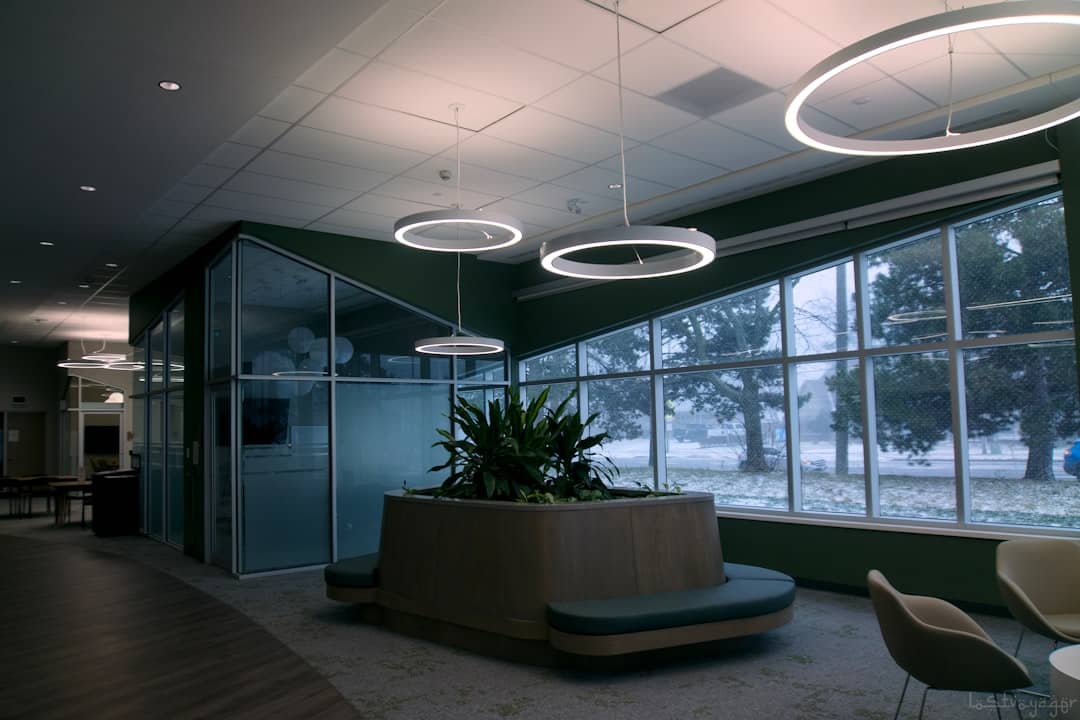
Biophilic design, which emphasizes the connection between humans and nature, has gained traction in various sectors, particularly in tech offices. One of the primary benefits of this design approach is its potential to enhance employee well-being. By incorporating natural elements such as plants, natural light, and organic materials, workplaces can create environments that reduce stress and promote mental health.
Research indicates that exposure to nature can lower cortisol levels, improve mood, and increase overall job satisfaction.
In tech offices, where employees often face high levels of stress due to demanding workloads and tight deadlines, biophilic design can serve as a counterbalance, fostering a more supportive atmosphere.
Additionally, biophilic design can lead to increased productivity. Studies have shown that environments enriched with natural elements can enhance cognitive function and creativity. For tech companies that rely on innovation and problem-solving, this is particularly significant. By creating spaces that stimulate the senses and encourage interaction with nature, organizations can inspire employees to think more creatively and work more efficiently. The integration of biophilic elements not only benefits individual employees but can also contribute to the overall success of the organization by fostering a culture of innovation.
In exploring the concept of Biophilic Design in tech offices, it’s fascinating to see how integrating nature and IoT can enhance employee well-being and productivity.
A related article that delves into the importance of technology in modern workspaces is available at expert guide.
Examples of Successful Biophilic Design in Tech Offices
Metric Description Example Value Impact on Tech Offices Natural Light Exposure Percentage of work hours with access to natural daylight 70% Improves employee mood and productivity Indoor Plant Density Number of plants per 100 square meters 15 plants/100 m² Enhances air quality and reduces stress IoT Environmental Sensors Number of sensors monitoring air quality, temperature, humidity 10 sensors per floor Enables real-time adjustments for optimal comfort Employee Satisfaction Increase Percentage increase in satisfaction after biophilic integration 25% Boosts retention and engagement Energy Savings Reduction in energy consumption due to natural lighting and smart controls 18% Reduces operational costs and environmental footprint Noise Reduction Decibel reduction from natural materials and plant installations 5 dB Improves concentration and reduces fatigue Several tech companies have successfully implemented biophilic design principles in their office spaces, showcasing the potential benefits of this approach. One notable example is Google’s headquarters in Mountain View, California, which features extensive green spaces, living walls, and open-air work areas that encourage interaction with nature. The design promotes collaboration among employees while providing numerous opportunities for relaxation and rejuvenation.
Another example is Microsoft’s campus in Redmond, Washington, which integrates natural landscapes into its architecture. The campus includes walking trails surrounded by trees and gardens, allowing employees to connect with nature during their workday. These design choices not only enhance employee well-being but also reflect the company’s commitment to sustainability and environmental stewardship. Such examples illustrate how biophilic design can be effectively integrated into tech offices to create engaging and productive work environments.
Biophilic design in tech offices is an innovative approach that emphasizes the integration of natural elements to enhance employee well-being and productivity. A fascinating aspect of this trend is how technology, particularly the Internet of Things (IoT), can facilitate this integration by creating smart environments that respond to the needs of the occupants. For those interested in exploring more about the intersection of technology and design, you might find this article on shared hosting services particularly insightful, as it highlights how digital solutions can support various aspects of modern office environments.
Implementing Biophilic Design Principles in Office Renovations
Implementing biophilic design principles in office renovations requires careful planning and consideration of various factors. First, organizations should assess their existing spaces to identify opportunities for incorporating natural elements. This may involve introducing plants, maximizing natural light through window placements or skylights, or using materials that reflect organic textures and colors. Engaging with employees during this process can also provide valuable insights into their preferences and needs regarding workspace design.
Additionally, it is essential to consider the long-term maintenance of biophilic elements within renovated spaces. Choosing low-maintenance plants or incorporating technology for automated care can help ensure that these features remain vibrant and effective over time. Furthermore, organizations should evaluate how these changes align with their overall goals for employee well-being and productivity. By taking a strategic approach to renovations that prioritize biophilic design principles, companies can create environments that support both their workforce and organizational objectives.
Overcoming Challenges in Integrating Nature and Technology
While the integration of nature and technology in office spaces offers numerous benefits, it is not without challenges. One significant hurdle is balancing aesthetic appeal with functionality. Organizations must ensure that biophilic elements do not interfere with technological infrastructure or disrupt workflow patterns. This requires thoughtful planning and collaboration between designers, architects, and IT professionals to create cohesive spaces that meet both aesthetic and operational needs.
Another challenge lies in addressing potential maintenance issues associated with biophilic design features. For instance, indoor plants require care and attention to thrive; without proper maintenance, they may detract from the overall environment rather than enhance it. Organizations must develop strategies for ongoing care or consider incorporating technology solutions that simplify maintenance tasks. By proactively addressing these challenges, companies can successfully integrate nature and technology in ways that enhance employee experiences without compromising functionality.
The Future of Biophilic Design in Tech Offices
The future of biophilic design in tech offices appears promising as organizations increasingly recognize the importance of employee well-being in driving productivity and innovation. As awareness grows regarding the benefits of connecting with nature within workspaces, more companies are likely to adopt biophilic principles in their designs. This trend may lead to a greater emphasis on sustainable practices as organizations seek to create environments that are not only beneficial for employees but also environmentally responsible.
Moreover, advancements in technology will continue to play a crucial role in shaping the future of biophilic design. As IoT devices become more sophisticated and accessible, organizations will have greater opportunities to create responsive environments that adapt to the needs of their occupants. This evolution will likely result in more dynamic office spaces that seamlessly integrate natural elements with cutting-edge technology. Ultimately, the future of biophilic design in tech offices holds the potential for creating healthier, more productive work environments that prioritize both human connection and technological advancement.
FAQs
What is biophilic design?
Biophilic design is an architectural and interior design approach that seeks to connect building occupants more closely to nature. It incorporates natural elements such as plants, natural light, water features, and natural materials to create healthier and more productive environments.
How is biophilic design applied in tech offices?
In tech offices, biophilic design is applied by integrating natural elements like indoor plants, green walls, natural lighting, and organic materials. Additionally, technology such as IoT sensors can monitor environmental conditions to optimize comfort and enhance the connection to nature.
What role does IoT play in biophilic design?
IoT (Internet of Things) devices can enhance biophilic design by monitoring and controlling environmental factors such as air quality, temperature, humidity, and lighting. This data helps create adaptive workspaces that respond to occupants’ needs and maintain a natural, comfortable atmosphere.
What are the benefits of integrating nature and IoT in tech offices?
Combining nature with IoT technology in tech offices can improve employee well-being, increase productivity, reduce stress, and enhance creativity. It also allows for real-time environmental adjustments, ensuring optimal comfort and energy efficiency.
Can biophilic design improve sustainability in office buildings?
Yes, biophilic design can contribute to sustainability by promoting natural ventilation, reducing reliance on artificial lighting, and improving indoor air quality. When combined with IoT systems, energy consumption can be optimized, further supporting sustainable building operations.
Are there any challenges in implementing biophilic design with IoT in offices?
Challenges may include the initial cost of installation, integrating various IoT systems, maintaining natural elements like plants, and ensuring user privacy with sensor data. However, these challenges can be managed with careful planning and ongoing maintenance.
Is biophilic design suitable for all types of tech offices?
While biophilic design principles can be adapted to most office environments, the extent and type of natural integration may vary depending on space constraints, budget, and organizational goals. Customization is key to effectively implementing biophilic design in different tech office settings.
 has emerged as a powerful tool for enhancing biophilic design in office environments. By connecting various devices and systems within a workspace, IoT technology can facilitate a more responsive and adaptive environment that aligns with the principles of biophilic design. For instance, smart sensors can monitor environmental conditions such as temperature, humidity, and light levels, allowing for real-time adjustments that optimize comfort for employees.</p>
<p>Furthermore, IoT can enable the integration of nature into the workplace in innovative ways. For example, automated irrigation systems can ensure that indoor plants receive the appropriate amount of water without requiring constant attention from staff. Additionally, smart lighting systems can adjust based on the time of day or occupancy levels, mimicking natural light patterns to enhance employee well-being. By leveraging IoT technology, organizations can create dynamic office environments that not only incorporate biophilic elements but also respond intelligently to the needs of their occupants.</p>
<p>Biophilic design in tech offices is becoming increasingly important as companies seek to create environments that enhance employee well-being and productivity. Integrating elements of nature, such as plants and natural light, alongside innovative technologies like IoT can lead to a more harmonious workspace. For those interested in how technology can further enhance office design, a related article discusses the best laptops for design software, which can be crucial for professionals working in creative fields. You can read more about it in this <a href=)