


Bioluminescent lighting refers to the natural phenomenon where living organisms produce light through biochemical reactions. This process is most commonly observed in certain species of fungi, bacteria, and marine organisms, such as jellyfish and deep-sea fish. The light emitted can serve various purposes, including attracting mates, deterring predators, or luring prey. In recent years, researchers and designers have sought to harness this natural ability to create sustainable lighting solutions for urban environments.
The concept of bioluminescent lighting has gained traction as a potential alternative to traditional electric lighting. By mimicking the natural processes found in bioluminescent organisms, scientists aim to develop systems that can illuminate public spaces without relying heavily on electricity. This innovative approach not only seeks to reduce energy consumption but also aims to create aesthetically pleasing environments that enhance the nighttime experience in cities.
Bioluminescent lighting for city streets presents an innovative approach to urban illumination, combining sustainability with aesthetic appeal. For those interested in enhancing their understanding of content optimization related to such topics, a valuable resource is available in the article on SEO and NLP strategies. You can explore this further by visiting this link, which offers insights into how to effectively boost your content’s visibility and engagement.
Key Takeaways
- Bioluminescent lighting uses natural light produced by living organisms to illuminate city streets.
- It offers energy efficiency and reduces light pollution compared to traditional street lighting.
- The technology relies on biochemical reactions within bioluminescent organisms to generate light.
- Environmental benefits include lower carbon emissions and minimal ecological disruption.
- Challenges include durability, brightness limitations, and integration with existing urban infrastructure.
Benefits of Bioluminescent Lighting for City Streets
One of the primary benefits of bioluminescent lighting is its potential to reduce energy consumption in urban areas. Traditional streetlights consume significant amounts of electricity, contributing to high energy costs and increased carbon emissions. In contrast, bioluminescent systems could provide a sustainable alternative that minimizes reliance on fossil fuels. By utilizing naturally occurring light sources, cities could significantly lower their energy bills while promoting environmental sustainability.
In addition to energy savings, bioluminescent lighting can enhance public safety. Well-lit streets are crucial for pedestrian safety and crime prevention. Bioluminescent installations can create a soft, ambient glow that improves visibility without the harshness often associated with conventional streetlights. This type of lighting can foster a more inviting atmosphere, encouraging people to walk or cycle in urban areas, thereby promoting healthier lifestyles and reducing traffic congestion.
How Bioluminescent Lighting Works
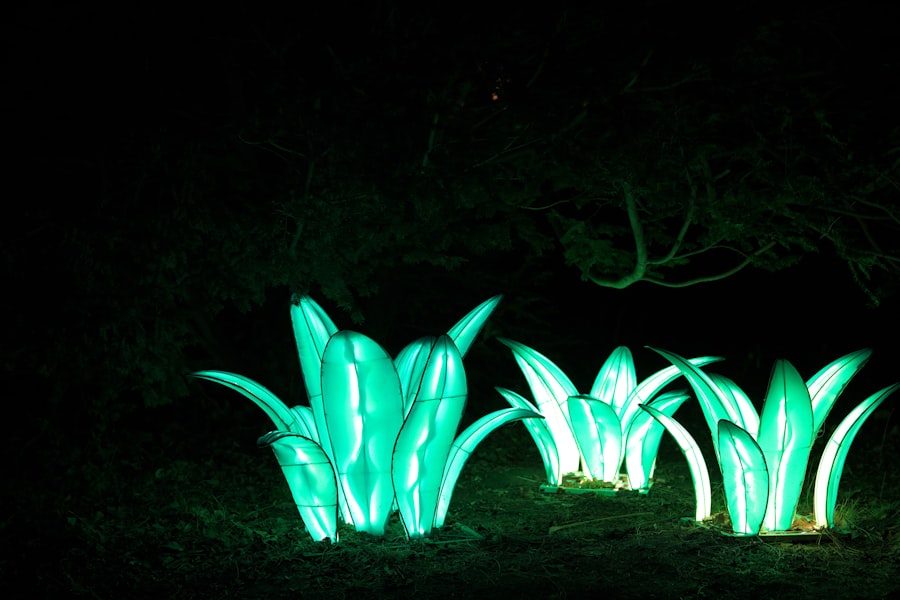
The mechanism behind bioluminescent lighting involves a chemical reaction that occurs within certain organisms. This reaction typically involves a light-emitting molecule called luciferin and an enzyme known as luciferase. When luciferin is oxidized in the presence of luciferase, light is produced as a byproduct. Researchers have been exploring ways to replicate this process in artificial systems, aiming to create sustainable lighting solutions that mimic these natural reactions.
In practical applications, bioluminescent lighting can be achieved through various methods. One approach involves genetically modifying plants or microorganisms to enhance their natural luminescence. Another method focuses on incorporating bioluminescent proteins into synthetic materials or coatings that can be applied to surfaces in urban environments. These innovations aim to create a reliable and long-lasting source of light that can be integrated into existing infrastructure.
Environmental Impact of Bioluminescent Lighting
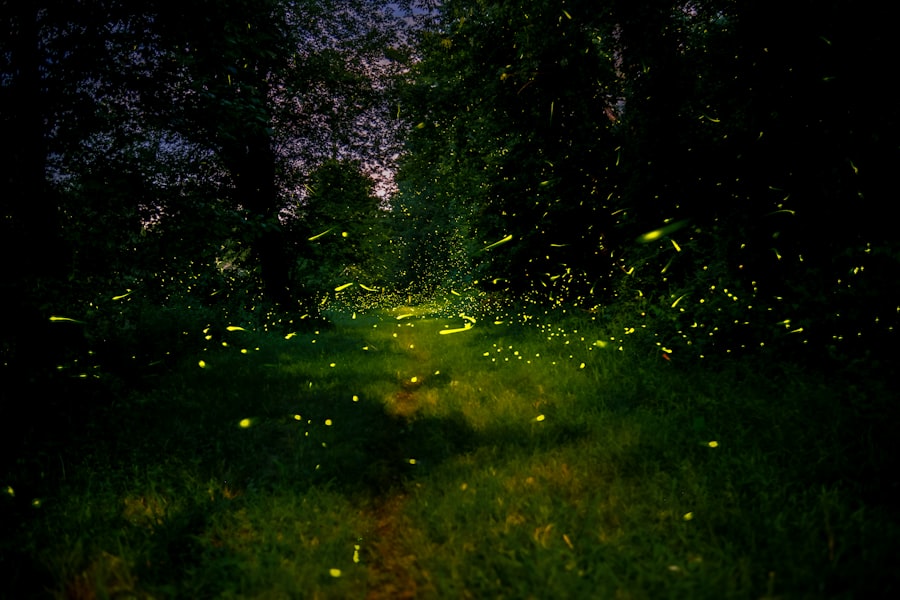
The environmental impact of bioluminescent lighting is a significant consideration in its development and implementation. By reducing reliance on electric lighting, bioluminescent systems can help decrease greenhouse gas emissions associated with energy production. This shift towards more sustainable lighting solutions aligns with global efforts to combat climate change and promote eco-friendly practices in urban planning.
Moreover, bioluminescent lighting has the potential to support biodiversity in urban areas. Traditional streetlights can disrupt natural ecosystems by attracting insects and altering animal behavior. In contrast, bioluminescent lighting can be designed to minimize these disruptions, creating a more harmonious coexistence between urban environments and local wildlife. This aspect is particularly important as cities continue to expand and encroach upon natural habitats.
Bioluminescent lighting for city streets presents an innovative approach to urban illumination, enhancing both aesthetics and sustainability. This concept not only reduces energy consumption but also creates a unique atmosphere that can transform public spaces. For those interested in exploring how technology can improve urban living, a related article discusses the best tablets for kids, which highlights how educational tools can foster creativity and innovation in young minds. You can read more about it here.
Challenges and Limitations of Bioluminescent Lighting
| Metric | Value | Unit | Notes |
|---|---|---|---|
| Light Intensity | 50-100 | lux | Comparable to low-level street lighting |
| Energy Consumption | 0.1-0.5 | Watts per square meter | Significantly lower than LED streetlights |
| Operational Lifetime | 6-12 | months | Dependent on maintenance and environmental conditions |
| Maintenance Frequency | Monthly | interval | Includes nutrient replenishment and cleaning |
| Carbon Footprint Reduction | 30-50 | percent | Compared to conventional street lighting |
| Installation Cost | Variable | n/a | Depends on scale and infrastructure |
| Light Color | Blue-Green | n/a | Typical wavelength around 480-520 nm |
| Environmental Impact | Low | n/a | Biodegradable and non-toxic materials used |
Despite its potential benefits, bioluminescent lighting faces several challenges and limitations that must be addressed before widespread implementation can occur. One significant hurdle is the current technological limitations in producing consistent and reliable light output from bioluminescent sources. While some organisms exhibit strong luminescence, replicating this intensity in artificial systems remains a complex task.
Additionally, the longevity of bioluminescent materials poses another challenge. Many bioluminescent organisms have specific environmental requirements for optimal light production, which may not be easily replicated in urban settings. Ensuring that these systems remain functional over time without requiring extensive maintenance or replacement is crucial for their viability as a long-term lighting solution.
Bioluminescent lighting for city streets presents an innovative approach to urban illumination, potentially reducing energy consumption and enhancing the aesthetic appeal of public spaces. As cities explore sustainable alternatives, it is interesting to consider how technology influences various sectors, including social media. For instance, an article discussing the return of Instagram’s founders to the social media scene highlights the importance of innovation in shaping user experiences. You can read more about this fascinating intersection of technology and creativity in the article found here.
Case Studies of Bioluminescent Lighting Implementation
Several cities around the world have begun experimenting with bioluminescent lighting as part of their urban design initiatives. One notable example is the “Glow in the Dark” pathway project in the Netherlands, where bioluminescent materials were integrated into walking paths to enhance nighttime visibility while creating an engaging visual experience for pedestrians. This project demonstrated how bioluminescent lighting could be effectively utilized in public spaces while promoting sustainability.
Another case study can be found in Singapore, where researchers have explored the use of bioluminescent algae in water features throughout the city. By incorporating these organisms into fountains and ponds, the city has created visually striking displays that also serve as educational tools about marine life and environmental conservation. These initiatives highlight the versatility of bioluminescent lighting and its potential to enhance urban aesthetics while fostering awareness of ecological issues.
Future of Bioluminescent Lighting Technology
The future of bioluminescent lighting technology appears promising as research continues to advance in this field. Ongoing studies aim to improve the efficiency and brightness of bioluminescent systems while exploring new applications beyond street lighting. For instance, there is potential for integrating bioluminescence into architectural designs, creating buildings that glow softly at night without relying on traditional power sources.
Furthermore, advancements in genetic engineering may lead to the development of new bioluminescent organisms with enhanced properties tailored for specific urban applications. As scientists continue to unlock the secrets of natural luminescence, the possibilities for innovative lighting solutions will expand, potentially transforming how cities illuminate their streets and public spaces.
Considerations for Implementing Bioluminescent Lighting in Urban Areas
When considering the implementation of bioluminescent lighting in urban areas, several factors must be taken into account. First and foremost is the need for thorough research and testing to ensure that these systems are safe and effective in various environmental conditions. Understanding how bioluminescent materials interact with local ecosystems is essential to avoid unintended consequences.
Additionally, public acceptance and awareness play a crucial role in the successful integration of bioluminescent lighting into city infrastructure. Engaging communities in discussions about the benefits and potential challenges of such systems can foster support and encourage participation in sustainability initiatives. As cities continue to explore innovative solutions for urban lighting, bioluminescence offers a unique opportunity to blend technology with nature while addressing pressing environmental concerns.
FAQs
What is bioluminescent lighting?
Bioluminescent lighting refers to the use of natural light produced by living organisms, such as certain types of algae, bacteria, or fungi, to illuminate spaces. This light is generated through a chemical reaction within the organism, producing a glow without the need for electricity.
How can bioluminescent lighting be used for city streets?
Bioluminescent lighting can be integrated into city streets by embedding bioluminescent organisms or materials into pavement, street signs, or street furniture. This creates a natural, glowing effect that can enhance visibility and aesthetics while reducing reliance on traditional electric streetlights.
What are the environmental benefits of bioluminescent street lighting?
Bioluminescent lighting is energy-efficient and sustainable, as it does not require electricity or batteries. It reduces carbon emissions and light pollution, and can contribute to lower energy costs and a smaller environmental footprint for urban areas.
Are there any challenges associated with using bioluminescent lighting in urban environments?
Yes, challenges include maintaining the health and longevity of bioluminescent organisms, ensuring consistent light output, and protecting the organisms from pollution and physical damage. Additionally, integrating this technology into existing infrastructure requires careful planning and research.
Is bioluminescent lighting currently used in any cities?
While still largely experimental, some cities and research projects have begun testing bioluminescent lighting in public spaces, such as parks and pedestrian pathways. These pilot projects aim to evaluate the feasibility and effectiveness of bioluminescent lighting for broader urban use.