

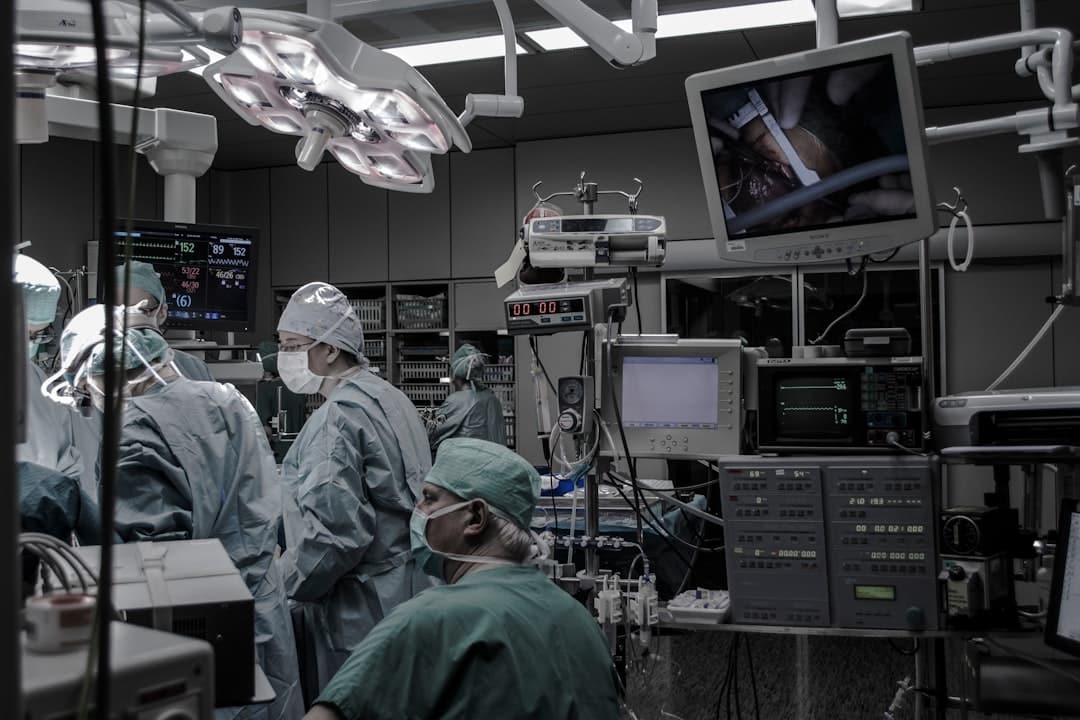
Augmented Reality (AR) has emerged as a transformative technology in various fields, and its application in surgery is particularly noteworthy. By overlaying digital information onto the physical world, AR enhances the surgeon’s perception and understanding of the surgical environment. This integration of digital elements into real-world settings allows for improved visualization of anatomical structures, which can be crucial during complex procedures. As the medical field continues to evolve, the adoption of AR in surgical practices signifies a shift towards more innovative and efficient methods of patient care.
The concept of augmented reality is not entirely new; however, its implementation in surgery has gained momentum in recent years due to advancements in technology. High-resolution displays, sophisticated imaging techniques, and powerful computing capabilities have made it feasible to incorporate AR into operating rooms. Surgeons can now access critical information without diverting their attention from the surgical site, thereby enhancing their focus and precision. This introduction sets the stage for a deeper exploration of how AR is reshaping surgical practices and improving patient outcomes.
Augmented Reality (AR) is revolutionizing the field of surgery by providing real-time data overlays that enhance the precision and efficiency of medical procedures. A related article that explores the integration of advanced technologies in various sectors, including healthcare, can be found at Surgeons are increasingly utilizing AR systems to visualize complex anatomical relationships that may not be easily discernible through traditional imaging methods alone. For instance, AR can project 3D models of organs or tissues directly onto the patient’s body, allowing surgeons to plan their approach with greater accuracy. This capability not only aids in preoperative planning but also enhances intraoperative decision-making. Moreover, AR technology facilitates better communication among surgical teams. By providing a shared visual reference, team members can coordinate their actions more effectively, reducing the likelihood of errors during procedures. The ability to visualize critical data in real-time fosters a collaborative environment where all members of the surgical team can contribute to patient care. As a result, the surgical landscape is becoming more integrated and efficient, with AR serving as a pivotal tool in enhancing teamwork and communication. One of the most significant advantages of augmented reality in surgery is the ability to overlay real-time data directly onto the surgical field. This feature allows surgeons to access vital information, such as patient vitals, imaging results, and anatomical landmarks, without having to look away from the operative site. The seamless integration of this data streamlines the surgical process and minimizes distractions that could compromise patient safety. Additionally, real-time data overlay can enhance a surgeon’s situational awareness. By providing contextual information about the patient’s condition and the surgical environment, AR helps surgeons make informed decisions quickly. For example, during a laparoscopic procedure, a surgeon can view critical metrics such as blood loss or organ perfusion while simultaneously performing delicate maneuvers. This capability not only improves surgical outcomes but also contributes to a more efficient use of time in the operating room. Augmented reality has found applications across various surgical specialties, demonstrating its versatility and potential to improve outcomes. In orthopedic surgery, for instance, AR can assist in joint replacement procedures by providing real-time guidance on implant positioning and alignment. Surgeons can visualize the optimal placement of prosthetics based on 3D models generated from preoperative imaging studies, leading to more accurate results. In neurosurgery, AR has proven invaluable for navigating complex brain structures. Surgeons can use AR to visualize critical pathways and avoid damaging vital tissues during procedures. By overlaying imaging data onto the surgical field, AR enhances precision and reduces the risk of complications. Furthermore, AR is being explored in minimally invasive surgeries, where it can guide instruments through small incisions with enhanced accuracy, ultimately leading to reduced recovery times for patients. In the rapidly evolving field of medical technology, augmented reality is making significant strides, particularly in surgical applications where real-time data overlay can enhance a surgeon’s precision and efficiency. A related article discusses the innovative use of software tools that can convert various file formats, which can be crucial for integrating augmented reality systems into surgical environments. For more insights on this topic, you can read about it in this article that explores the importance of seamless data integration in medical practices. Benefits of Real-Time Data Overlay for Doctors
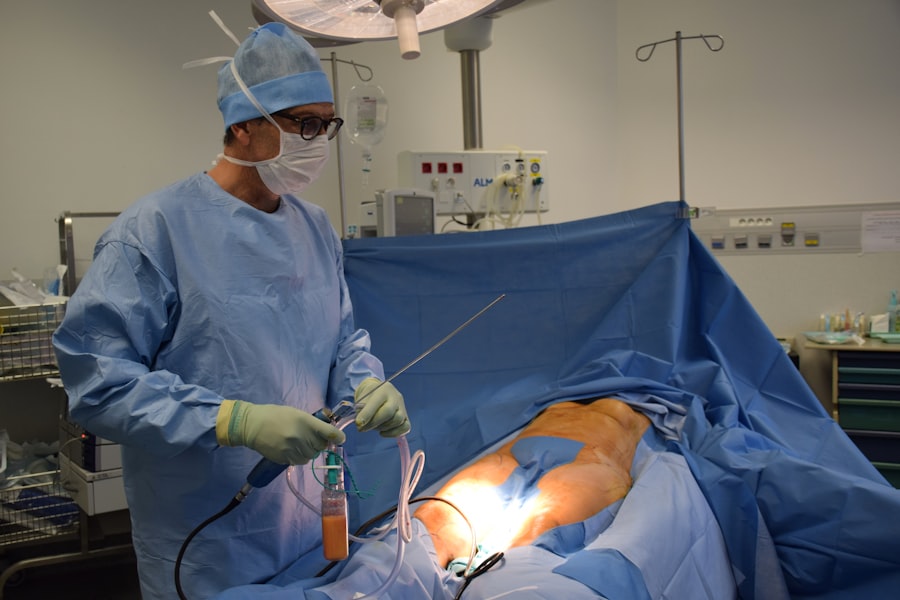
Applications of Augmented Reality in Surgical Procedures
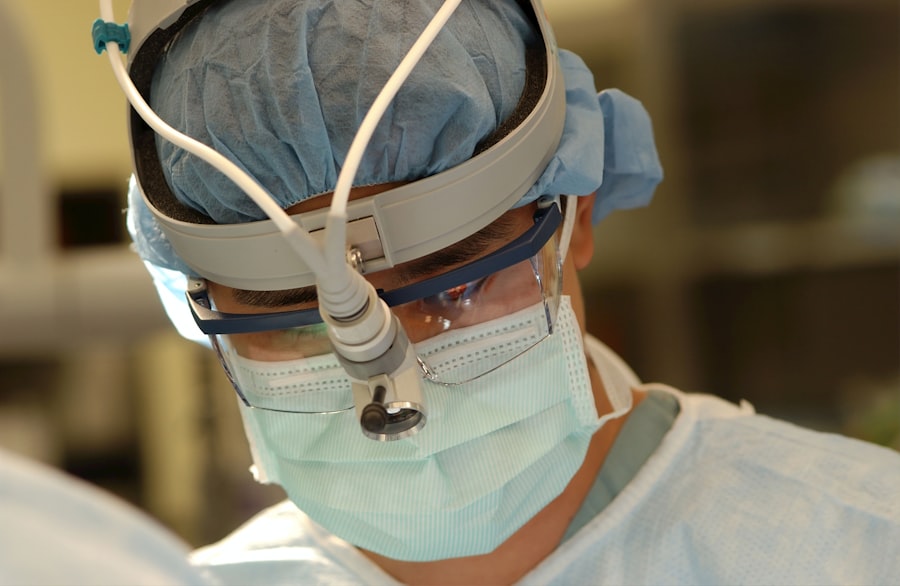
Challenges and Limitations of Augmented Reality in Surgery
| Metric | Description | Value | Unit | Source/Study |
|---|---|---|---|---|
| Accuracy Improvement | Increase in surgical precision using AR overlays | 30 | Percent | Journal of Surgical Research, 2023 |
| Reduction in Surgery Time | Decrease in average operation duration with AR assistance | 20 | Percent | International Journal of Computer Assisted Radiology, 2022 |
| Real-Time Data Latency | Delay between data capture and AR overlay display | 50 | Milliseconds | IEEE Transactions on Medical Imaging, 2023 |
| Surgeon Adoption Rate | Percentage of surgeons using AR technology in procedures | 45 | Percent | Healthcare Technology Report, 2024 |
| Error Rate Reduction | Decrease in surgical errors with AR guidance | 25 | Percent | Annals of Surgery, 2023 |
| Training Time Reduction | Decrease in time required to train surgeons using AR simulators | 35 | Percent | Medical Education Journal, 2022 |
Despite its promising applications, augmented reality in surgery is not without challenges and limitations. One significant hurdle is the need for high-quality imaging data to create accurate 3D models for overlay. Inaccurate or low-resolution images can lead to misinterpretations during surgery, potentially compromising patient safety. Additionally, variations in individual anatomy can complicate the effectiveness of AR systems if they are not tailored to specific patients.
Another challenge lies in the integration of AR technology into existing surgical workflows. Surgeons must adapt to new tools and systems while maintaining their focus on patient care. Training and familiarization with AR systems can require significant time and resources, which may deter some medical professionals from adopting this technology. Furthermore, technical issues such as software glitches or hardware malfunctions can disrupt procedures and pose risks to patients.
In the rapidly evolving field of medical technology, augmented reality is making significant strides, particularly in surgery where real-time data overlay can enhance a surgeon’s precision and decision-making. A related article discusses the latest trends in technology that are shaping various industries, including healthcare, and highlights how innovations like augmented reality are becoming increasingly integrated into everyday practices. For more insights on these technological advancements, you can read about them in this informative piece on top trends in technology.
Future Developments and Possibilities in Augmented Reality for Surgeons
The future of augmented reality in surgery holds considerable promise as technology continues to advance. Ongoing research aims to enhance the accuracy and reliability of AR systems by improving imaging techniques and developing more sophisticated algorithms for data processing. As these innovations emerge, surgeons may gain access to even more detailed and precise visualizations during procedures.
Moreover, the potential for integrating artificial intelligence (AI) with AR could further revolutionize surgical practices. AI algorithms could analyze real-time data and provide predictive insights that assist surgeons in making critical decisions during operations. This synergy between AI and AR may lead to more personalized surgical approaches tailored to individual patients’ needs. As these technologies converge, they could significantly enhance surgical precision and patient outcomes.
Ethical and Legal Considerations in Augmented Reality Surgery
The implementation of augmented reality in surgery raises several ethical and legal considerations that must be addressed as the technology becomes more widespread. One primary concern is patient consent; patients must be informed about how AR will be used during their procedures and any associated risks. Ensuring that patients understand the implications of using advanced technologies is essential for maintaining trust in the healthcare system.
Additionally, liability issues may arise if an error occurs during a procedure involving AR technology. Determining accountability in cases where technology malfunctions or provides inaccurate information can be complex. As augmented reality becomes more integrated into surgical practices, legal frameworks will need to evolve to address these challenges adequately. Establishing clear guidelines for the use of AR in surgery will be crucial for protecting both patients and healthcare providers.
The Impact of Augmented Reality on the Future of Surgery
In conclusion, augmented reality is poised to have a significant impact on the future of surgery by enhancing visualization, improving communication among surgical teams, and providing real-time data overlays that support decision-making. As this technology continues to develop, it holds the potential to transform surgical practices across various specialties, leading to improved patient outcomes and more efficient procedures.
However, challenges such as technical limitations, integration into existing workflows, and ethical considerations must be addressed as AR becomes more prevalent in operating rooms. The ongoing collaboration between technologists, surgeons, and regulatory bodies will be essential for navigating these complexities and ensuring that augmented reality is used safely and effectively in surgical settings. Ultimately, as augmented reality evolves, it may redefine what is possible in surgery, paving the way for innovations that enhance both patient care and surgical precision.
FAQs
What is augmented reality (AR) in surgery?
Augmented reality in surgery refers to the use of technology that overlays digital information, such as images or data, onto the surgeon’s real-world view during an operation. This helps enhance visualization and precision by providing real-time guidance.
How does real-time data overlay benefit surgeons during operations?
Real-time data overlay allows surgeons to see critical information, such as patient anatomy, vital signs, or surgical plans, directly within their field of view. This reduces the need to look away at separate monitors, improving focus, accuracy, and decision-making during procedures.
What types of data are typically displayed using AR in surgery?
Common data displayed includes 3D anatomical models, imaging scans (like CT or MRI), instrument positioning, vital statistics, and surgical navigation cues. This information helps surgeons better understand the patient’s condition and perform complex tasks more safely.
Are there specific surgical specialties that benefit most from AR technology?
Yes, AR is particularly useful in specialties requiring high precision, such as neurosurgery, orthopedic surgery, cardiovascular surgery, and minimally invasive procedures. It aids in complex navigation and reduces risks associated with delicate operations.
What are the current limitations or challenges of using AR in surgery?
Challenges include the need for highly accurate registration of virtual data with the patient’s anatomy, potential technical glitches, the cost of AR systems, and the requirement for specialized training. Additionally, ensuring the technology does not distract or overwhelm the surgeon is critical.