


Algorithmic trading, the practice of using computer programs to execute trades at high speeds and frequencies, has increasingly become accessible to retail investors. While sophisticated algorithms were once the exclusive domain of large financial institutions, the maturation of technology and the proliferation of trading platforms have democratized this approach. This article explores the landscape of algorithmic trading for individual investors, focusing on the inherent risks and the tools available to navigate this complex environment.
Algorithmic trading, often referred to as “algo trading” or “black-box trading,” involves employing pre-programmed sets of instructions (algorithms) to make trading decisions and execute orders automatically. These algorithms are designed to identify trading opportunities based on various parameters, such as price movements, volume, technical indicators, and even news sentiment. For retail investors, this presents an opportunity to participate in markets with enhanced efficiency and speed, potentially capturing fleeting price discrepancies or executing strategies that would be impractical for manual trading.
The Mechanization of Trading
At its core, algorithmic trading replaces human judgment in the execution phase with automated decision-making. This doesn’t necessarily mean the human element is entirely removed; rather, it shifts from real-time decision-making to the design, testing, and oversight of the algorithms themselves. The computer becomes a tireless, disciplined trader, devoid of emotional biases that can plague human traders. Think of it as handing the reins of your investment vehicle to a highly trained, data-driven chauffeur, capable of reacting to road conditions far faster than you could.
Types of Algorithmic Trading Strategies for Retail Investors
While the full spectrum of institutional algorithms is vast and complex, retail investors typically engage with simpler, yet still effective, strategies. These often fall into categories such as:
Trend-Following Strategies
These algorithms aim to identify and capitalize on established market trends. They might use indicators like moving averages to detect directional price movements and enter trades when a trend is confirmed, exiting when the trend shows signs of reversal. The principle is to ride the wave as long as it’s going in a consistent direction.
Mean Reversion Strategies
Conversely, mean reversion algorithms operate on the premise that prices tend to revert to their historical average over time. These strategies look for assets that have moved significantly away from their mean and bet on them returning. It’s like expecting a stretched rubber band to snap back to its original position.
Arbitrage Strategies
Arbitrage involves exploiting small price differences for the same asset in different markets or forms. While true riskless arbitrage is rare and highly competitive, simplified versions can be implemented by retail investors, often involving pairs trading (long one asset, short another correlated asset). This is akin to finding two identical items priced slightly differently and making a quick profit by buying low and selling high simultaneously.
Event-Driven Strategies
These algorithms are designed to react to specific news events or corporate announcements. For example, an algorithm might be programmed to buy a stock immediately after a positive earnings report or sell quickly if a market-moving announcement is made. This strategy aims to capture the immediate market reaction to information.
In the realm of algorithmic trading, retail investors face a myriad of challenges and opportunities, making it essential to stay informed about the tools and risks involved. For those looking to enhance their trading strategies, understanding the technology behind their trading platforms is crucial. A related article that provides valuable insights into selecting the right equipment for such endeavors is available at How to Choose a Laptop for Graphic Design. This resource not only discusses the specifications necessary for graphic design but also highlights the importance of having a reliable and powerful laptop for running complex trading algorithms effectively.
The Inherent Risks of Algorithmic Trading for Retail Investors
Despite the potential advantages, algorithmic trading is not a risk-free endeavor. The very speed and automation that make it attractive can also amplify losses if not managed carefully. Understanding these risks is paramount for any retail investor considering this approach.
Technical Glitches and System Failures
The reliance on technology introduces the risk of technical malfunctions. Servers can go down, internet connections can become unstable, and software bugs can emerge. A glitch in an algorithm could lead to a cascade of erroneous trades, resulting in significant financial losses before the issue is identified and rectified. Imagine your highly efficient chauffeur suddenly having his navigation system fail mid-journey; the consequences can be unpredictable and costly.
Latency and Execution Slippage
The speed of execution is critical in algorithmic trading. However, even with fast systems, there can be delays (latency) between when an algorithm identifies an opportunity and when the trade is actually executed. This delay, known as slippage, can result in the trade being executed at a less favorable price than intended, eroding potential profits or increasing losses. In high-frequency trading, milliseconds matter.
Over-Optimization and Curve Fitting
Algorithms are developed and tested using historical data. A common pitfall is “over-optimization” or “curve fitting,” where an algorithm is so finely tuned to past market behavior that it performs exceptionally well on historical data but fails to adapt to new market conditions. This is like training a race car driver on a specific track so diligently that they struggle on any other course.
Market Volatility and Black Swan Events
Algorithmic trading systems are typically designed to operate within expected market parameters. However, extreme market volatility or unforeseen “black swan” events (rare, high-impact events) can cause algorithms to behave erratically. If an algorithm is not programmed with sufficient safeguards to handle such extreme conditions, it can lead to substantial and rapid losses. Think of it as a robust sailing boat encountering a rogue wave – its design might be excellent for normal conditions, but a truly exceptional event can overwhelm it.
The Speed Trap
The rapid pace of algorithmic trading can lead to a “speed trap” where investors are compelled to increase their trading frequency and complexity simply to keep up. This can lead to overtrading, increased transaction costs, and a higher likelihood of errors. It’s like being in a race where the finish line keeps moving further away, forcing you to accelerate constantly, which eventually leads to exhaustion and mistakes.
Connectivity and Data Feed Issues
Algorithmic trading relies on stable and accurate data feeds from exchanges and other market data providers. Issues with these data feeds, such as inaccuracies, delays, or complete outages, can render algorithms useless or, worse, cause them to make decisions based on faulty information. This is akin to trying to navigate a ship with an unreliable compass and faulty charts.
Essential Tools for Retail Algorithmic Traders
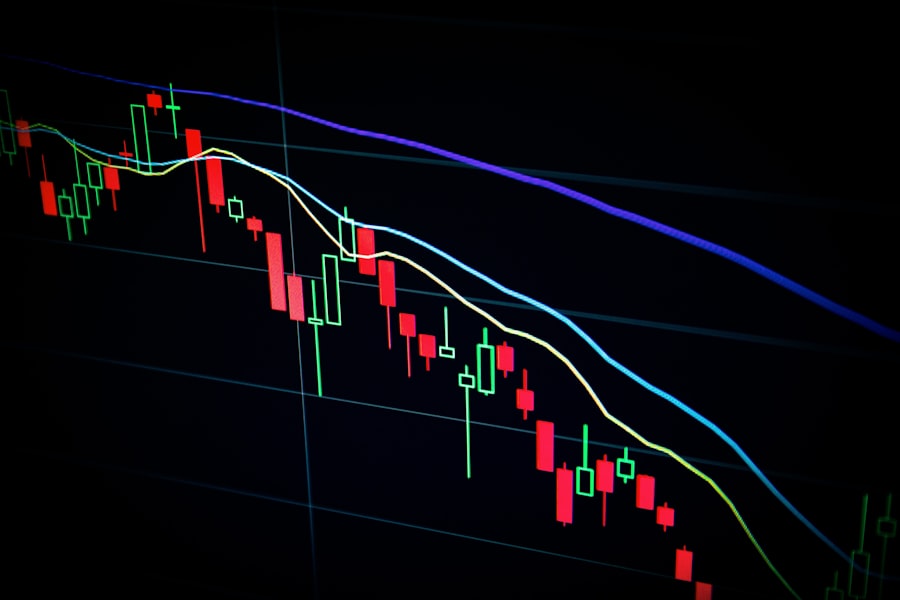
To mitigate risks and enhance the effectiveness of algorithmic trading, retail investors have access to a growing array of tools and platforms. These tools range from simplified interfaces for strategy creation to more advanced programming environments.
Platform Selection: The Foundation of Your Operation
Choosing the right trading platform is a critical first step. Different platforms offer varying levels of functionality, cost structures, and accessibility for algorithmic trading.
Brokerage Platforms with Algorithmic Trading Capabilities
Many online brokers now offer integrated tools and APIs (Application Programming Interfaces) that allow retail investors to connect their custom algorithms or utilize pre-built strategies. These platforms often provide:
- Order Execution APIs: These allow your algorithm to send buy and sell orders directly to the broker’s execution system.
- Market Data Feeds: Access to real-time or near real-time price and volume data, essential for algorithmic decision-making.
- Backtesting Tools: Features that allow you to test your algorithms on historical data to assess their potential performance.
Specialized Algorithmic Trading Software
Beyond broker-provided tools, a dedicated ecosystem of software exists for algorithmic trading. These can range from user-friendly visual strategy builders that require no coding to powerful development environments for experienced programmers.
Visual Strategy Builders
These platforms allow users to construct trading strategies by dragging and dropping pre-defined indicators and logic blocks. They abstract away the complexities of coding, making algorithm creation accessible to those without programming expertise. It’s like using building blocks to construct a complex structure, where each block represents a specific trading rule or condition.
Programming Libraries and Frameworks
For investors with programming skills, languages like Python, with libraries such as pandas, numpy, and scikit-learn, are widely used for developing quantitative trading strategies. Frameworks like zipline or backtrader provide structured environments for backtesting and live trading. This offers maximum flexibility and customization, like having a fully equipped workshop to build anything you can imagine.
Data and Analytics: Fueling Your Algorithms
Accurate and timely data is the lifeblood of any algorithmic trading system. Retail investors need access to reliable sources for market data.
Historical Data Providers
Access to high-quality historical price and volume data is essential for developing and backtesting trading strategies. While some brokers provide limited historical data, specialized providers offer more comprehensive and granular datasets.
Real-Time Market Data Feeds
For live trading, real-time data feeds are crucial. These can be obtained directly from exchanges, through brokers, or via third-party data vendors. The quality and latency of these feeds directly impact the effectiveness of an algorithm.
Market Sentiment Analysis Tools
Emerging tools allow algorithms to incorporate market sentiment derived from news, social media, and other textual sources. These can provide an additional layer of information to trading decisions, attempting to gauge the psychological undercurrents of the market.
Backtesting and Simulation: Proving Your Strategy Before Deployment
Before committing real capital, rigorous testing is indispensable. Backtesting and paper trading are crucial steps in this process.
Backtesting Engines
As mentioned, backtesting involves running an algorithm on historical data to simulate its performance. Robust backtesting engines provide detailed performance metrics, including profit and loss, drawdown, win rate, and risk-adjusted returns. This is where you meticulously examine the blueprints of your trading system under various historical scenarios.
Paper Trading and Forward Testing
Once an algorithm shows promise in backtesting, it’s prudent to deploy it in a simulated live trading environment, often referred to as “paper trading” or “forward testing.” This allows you to observe how the algorithm performs in real-time market conditions without risking actual money. It’s like a pilot performing a thorough pre-flight checklist and then doing a few practice runs on the tarmac before taking off on a commercial flight.
Managing Risks in Algorithmic Trading
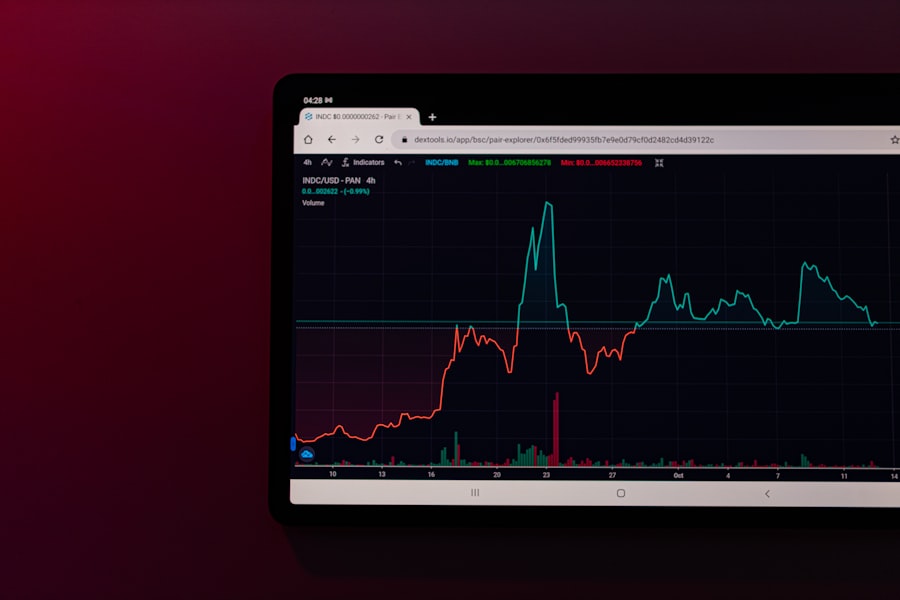
Even with the best tools, the inherent risks of algorithmic trading necessitate a proactive risk management approach.
Position Sizing and Capital Allocation
Determining the appropriate amount of capital to allocate to each trade is a fundamental risk management technique. Algorithms should ideally incorporate position sizing rules to prevent any single trade from causing catastrophic losses. This prevents you from putting all your eggs in one basket, even if that basket has a seemingly infallible track record in simulations.
Diversification Across Strategies and Markets
Relying on a single algorithmic strategy or trading a single asset class can concentrate risk. Diversifying across multiple, uncorrelated trading strategies and markets can help to smooth out returns and reduce overall portfolio volatility. Think of it as building a diversified investment portfolio, but applied to your trading strategies themselves.
Stop-Loss Orders and Circuit Breakers
Implementing stop-loss orders is a critical safeguard. These are pre-set instructions to exit a trade if the price moves against your position by a certain amount, limiting potential losses. Similarly, developing internal “circuit breakers” within your algorithms that automatically halt trading under extreme volatility can prevent significant drawdowns. These act as emergency brakes, designed to stop the vehicle if it veers too far off course.
Monitoring and Intervention
Algorithmic trading does not mean giving up control entirely. Regular monitoring of algorithm performance and market conditions is essential. Be prepared to intervene manually if an algorithm behaves unexpectedly or if market conditions change drastically. This human oversight acts as a failsafe, the watchful eye that ensures the automated system remains within its intended operational parameters.
In exploring the landscape of algorithmic trading for retail investors, it’s essential to understand the various tools and risks involved in this rapidly evolving field. A related article that delves into innovative resources for traders is available at RankAtom Review, which discusses a game-changing keyword research tool that can enhance trading strategies. By leveraging such tools, retail investors can better navigate the complexities of algorithmic trading and make more informed decisions.
The Future of Algorithmic Trading for Retail Investors
| Metric | Description | Typical Value / Range | Relevance to Retail Investors |
|---|---|---|---|
| Algorithm Execution Speed | Time taken by the algorithm to execute a trade | Milliseconds to seconds | Faster execution can reduce slippage but requires advanced infrastructure |
| Backtesting Accuracy | Degree to which historical data testing predicts future performance | Varies widely; often 60%-90% predictive accuracy | Critical for assessing algorithm viability before live trading |
| Drawdown | Maximum observed loss from a peak to a trough | 5% to 30% or more | Indicates risk exposure; important for risk management |
| Sharpe Ratio | Risk-adjusted return metric | Typically 0.5 to 2.0 for retail strategies | Helps evaluate performance relative to risk taken |
| Algorithm Complexity | Number of parameters and logic layers in the trading algorithm | Simple (few parameters) to complex (many parameters) | Complex algorithms may offer better performance but are harder to maintain |
| Cost of Tools | Subscription or purchase cost for algorithmic trading platforms/tools | Free to several hundred per month | Important for retail investors to consider affordability |
| Market Data Latency | Delay in receiving market data | Milliseconds to seconds | Lower latency improves decision-making speed |
| Risk of Overfitting | Likelihood that the algorithm is too closely tailored to past data | High risk if not properly validated | Can lead to poor real-world performance |
| Leverage Used | Amount of borrowed capital used in trading | 1x to 5x or more | Increases potential gains and losses; higher risk for retail investors |
| Number of Trades per Day | Frequency of trades executed by the algorithm | From a few to hundreds | Higher frequency may increase transaction costs and risk |
The trajectory of algorithmic trading for retail investors points towards continued innovation and increased accessibility.
Artificial Intelligence and Machine Learning in Trading
The integration of artificial intelligence (AI) and machine learning (ML) is poised to further transform algorithmic trading. These technologies can enable algorithms to learn from data, adapt to changing market dynamics, and identify more complex trading patterns than traditional rule-based systems. Algorithms may become less “black box” and more “grey box,” capable of explaining their reasoning.
Adaptive Algorithms
AI-powered algorithms can continuously learn and adjust their parameters based on new market data, making them more resilient to changing conditions. This is like having an intelligent co-pilot that constantly refines its flying techniques based on real-time atmospheric data.
Natural Language Processing for Sentiment Analysis
The advancement of Natural Language Processing (NLP) will allow algorithms to analyze vast amounts of textual data, such as news articles, social media posts, and analyst reports, with greater accuracy and nuance, providing richer sentiment indicators. This could allow trading systems to “read” and interpret the global financial conversation.
Increased Automation and Accessibility
As technology matures, the tools for algorithmic trading will likely become even more user-friendly and affordable. This could lead to a wider adoption by retail investors, further democratizing access to sophisticated trading strategies. The goal is a future where algorithmic trading is as accessible as online banking.
Robo-Advisors and Algorithmic Portfolios
The concept of robo-advisors could evolve to incorporate more sophisticated algorithmic trading strategies beyond simple asset allocation. This may lead to automated investment portfolios that actively trade based on complex algorithms.
Regulatory Considerations and Ethical Implications
As algorithmic trading becomes more prevalent, regulatory bodies will continue to focus on ensuring market integrity and fairness. Retail investors should be aware of any regulations pertaining to algorithmic trading in their respective jurisdictions. The ethical implications of employing automated systems in financial markets, particularly concerning market manipulation or systemic risk, will also remain a subject of ongoing discussion and potential regulatory action.
For retail investors venturing into algorithmic trading, understanding the associated risks and available tools is crucial for success. A related article that explores the latest advancements in consumer technology, which can significantly impact trading strategies, can be found at CNET. This resource provides insights into how emerging technologies can enhance trading algorithms and improve decision-making processes, making it an essential read for anyone looking to navigate the complexities of algorithmic trading.
Conclusion
Algorithmic trading offers retail investors a powerful avenue to participate in financial markets with enhanced efficiency and speed. However, this potential is intrinsically linked to a set of significant risks, ranging from technical failures to market volatility. A thorough understanding of these risks, coupled with the judicious selection and utilization of appropriate tools, forms the bedrock of successful algorithmic trading for individual investors. Rigorous testing, robust risk management, and continuous learning are not optional but essential for navigating this complex and evolving landscape. As the technology advances and accessibility increases, retail investors who approach algorithmic trading with a disciplined and informed mindset are best positioned to harness its potential while mitigating its inherent dangers.
FAQs
What is algorithmic trading for retail investors?
Algorithmic trading for retail investors involves using computer programs and algorithms to automatically execute trades based on predefined criteria. This approach allows individual investors to implement trading strategies without manual intervention.
What are the common risks associated with algorithmic trading for retail investors?
Common risks include technical failures, such as software bugs or connectivity issues, market risks like rapid price fluctuations, and the potential for executing unintended trades due to faulty algorithms. Additionally, lack of experience can lead to poor strategy design and financial losses.
What types of tools are available for retail investors interested in algorithmic trading?
Retail investors can access various tools such as trading platforms with built-in algorithmic capabilities, programming languages like Python for custom strategy development, backtesting software to evaluate strategies, and APIs that connect to brokerage accounts for automated order execution.
How can retail investors mitigate risks when using algorithmic trading?
Investors can mitigate risks by thoroughly testing algorithms through backtesting and paper trading, setting strict risk management parameters like stop-loss orders, continuously monitoring algorithm performance, and starting with small trade sizes to limit potential losses.
Is algorithmic trading suitable for all retail investors?
Algorithmic trading is not suitable for all retail investors, especially those without sufficient technical knowledge or experience in financial markets. It requires understanding of programming, market dynamics, and risk management to be effective and safe.