

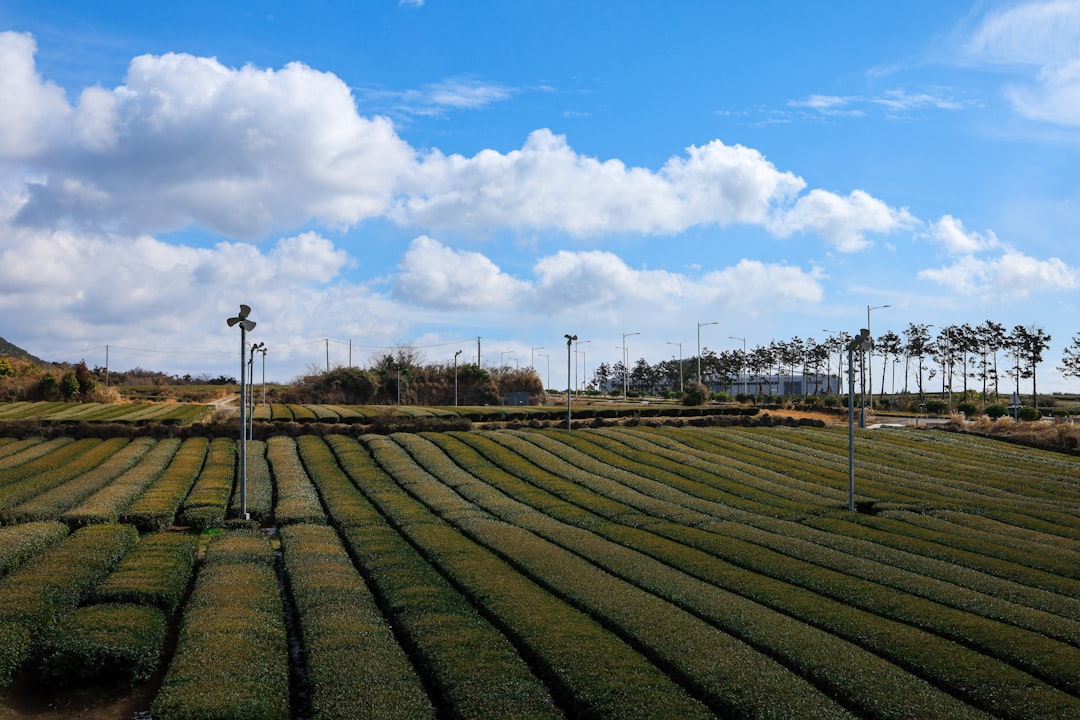
Agrivoltaics combines agriculture and photovoltaic solar energy production on the same land. This system enables farmers to grow crops while generating electricity from solar panels positioned above or beside their fields. The approach addresses land scarcity and agricultural challenges caused by climate change and urbanization by maximizing land use efficiency.
Integrating solar energy systems into agricultural areas provides a sustainable method to meet both energy and food security needs. Agrivoltaic systems can be configured in multiple ways. Elevated solar panels allow crops to grow underneath them, while other installations are positioned to minimize shade on agricultural land.
This arrangement creates a mutually beneficial relationship between energy production and crop cultivation. Some crops actually benefit from the partial shade created by solar panels, which reduces water evaporation and protects plants from extreme weather. Agrivoltaics therefore represents a practical approach to land management that supports sustainable development principles.
Key Takeaways
- Agrivoltaics combines agriculture and solar energy production on the same land to optimize resource use.
- It offers benefits like increased land efficiency, improved crop yields, and renewable energy generation.
- Challenges include technical integration and initial costs, but solutions involve innovative designs and supportive policies.
- Successful case studies demonstrate practical applications and positive environmental and economic impacts.
- Agrivoltaics supports climate change mitigation by reducing carbon emissions and promoting sustainable farming.
Benefits of Agrivoltaics
The benefits of agrivoltaics are multifaceted, encompassing environmental, economic, and social dimensions. One of the most significant advantages is the potential for increased land productivity. By allowing for simultaneous agricultural and energy production, agrivoltaics can enhance the overall yield of a given area.
For example, studies have shown that certain crops can thrive under solar panels, leading to higher overall output compared to traditional farming methods alone. This dual-use strategy not only maximizes land efficiency but also contributes to food security in an era where agricultural land is increasingly under pressure from urban development and climate change. In addition to boosting productivity, agrivoltaics can provide farmers with a new revenue stream.
By leasing land for solar installations or directly investing in solar technology, farmers can diversify their income sources. This financial stability is particularly crucial in an agricultural sector that often faces volatility due to fluctuating market prices and unpredictable weather patterns. Furthermore, the integration of renewable energy into farming operations can reduce energy costs for farmers, allowing them to allocate resources more effectively.
The economic benefits extend beyond individual farmers; communities can also experience job creation in the installation and maintenance of solar systems, fostering local economies.
Challenges and Solutions
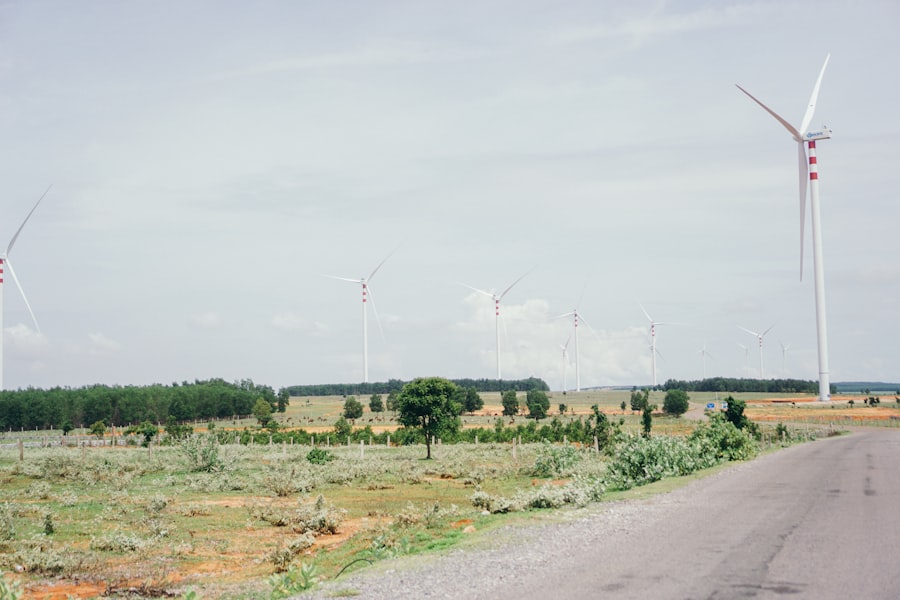
Despite its numerous advantages, agrivoltaics faces several challenges that must be addressed for widespread adoption. One significant hurdle is the initial capital investment required for solar infrastructure. Farmers may be hesitant to invest in solar technology due to high upfront costs, especially if they are uncertain about the long-term benefits or return on investment.
Additionally, public-private partnerships can facilitate access to funding and technical expertise, making it easier for farmers to transition to this innovative model. Another challenge lies in the regulatory landscape surrounding land use and energy production.
In many regions, zoning laws and agricultural regulations may not accommodate the installation of solar panels on farmland. To overcome these barriers, advocacy efforts are essential to promote policy changes that recognize agrivoltaics as a legitimate and beneficial land use practice. Engaging with local governments and stakeholders can help create a supportive regulatory environment that encourages the adoption of agrivoltaic systems.
Moreover, educating farmers about the potential benefits and best practices associated with agrivoltaics can empower them to advocate for necessary policy changes.
Case Studies of Successful Agrivoltaics Projects
Several successful agrivoltaics projects around the world serve as compelling examples of how this approach can be effectively implemented. One notable case is the “Solar Sharing” project in Japan, which has gained recognition for its innovative design and successful integration of agriculture and solar energy production. In this project, solar panels are installed on elevated structures above rice paddies, allowing farmers to cultivate rice while generating electricity.
The elevated panels not only provide shade for the crops but also reduce water evaporation in the paddies, leading to improved yields. This project has demonstrated that agrivoltaics can be both economically viable and environmentally beneficial. In the United States, the University of Massachusetts Amherst has conducted research on agrivoltaics through its “AgriSolar Clearinghouse” initiative.
This project focuses on developing best practices for integrating solar energy systems into agricultural landscapes while considering crop selection and management techniques. The research has shown that certain crops, such as leafy greens and berries, thrive under solar panels, leading to increased productivity without compromising energy generation. By sharing knowledge and resources with farmers across the country, this initiative aims to promote the adoption of agrivoltaics as a sustainable farming practice.
How Agrivoltaics Can Help Address Climate Change
| Metric | Description | Typical Value / Range | Impact on Farming | Impact on Solar Power |
|---|---|---|---|---|
| Land Use Efficiency | Amount of energy and crops produced per unit area | Up to 60% increase compared to separate use | Improved due to partial shading reducing water stress | Maintained or slightly reduced due to panel spacing |
| Crop Yield Change | Effect of solar panels on crop production | +5% to +30% for shade-tolerant crops | Positive for certain crops like leafy greens and berries | Neutral to positive due to microclimate benefits |
| Solar Panel Efficiency | Energy conversion efficiency of photovoltaic panels | 15% to 22% | Unchanged | Standard efficiency, may improve with cooling from plants |
| Water Usage | Water consumption for crops under panels vs open field | 10% to 30% reduction | Reduced evapotranspiration due to shading | Indirect benefit by conserving water resources |
| Installation Height | Height of solar panels above ground to allow farming | 2.5 to 4 meters | Allows machinery and crop growth underneath | Enables dual use of land |
| Energy Production per Hectare | Annual solar energy generated per hectare | 800 to 1,200 MWh | Depends on panel density and shading | Comparable to traditional solar farms |
| Carbon Footprint Reduction | CO2 emissions avoided by combined system | Up to 50 tons CO2 per hectare per year | Reduced fossil fuel use in farming | Clean energy generation |
Agrivoltaics holds significant potential in addressing climate change by promoting renewable energy generation while simultaneously enhancing agricultural resilience. As global temperatures rise and extreme weather events become more frequent, traditional farming practices face increasing challenges. Agrivoltaics can help mitigate these impacts by providing shade for crops during heatwaves and reducing water stress through improved moisture retention in the soil.
This adaptive capacity is crucial for maintaining food production in a changing climate. Moreover, by generating clean energy from solar panels, agrivoltaics contributes to reducing greenhouse gas emissions associated with fossil fuel consumption. The transition to renewable energy sources is essential for achieving global climate goals and limiting temperature rise.
Agrivoltaic systems not only provide a sustainable energy solution but also promote carbon sequestration through healthy soil management practices associated with sustainable agriculture. By integrating these two critical sectors—energy and agriculture—agrivoltaics represents a holistic approach to combating climate change while ensuring food security.
Best Practices for Implementing Agrivoltaics
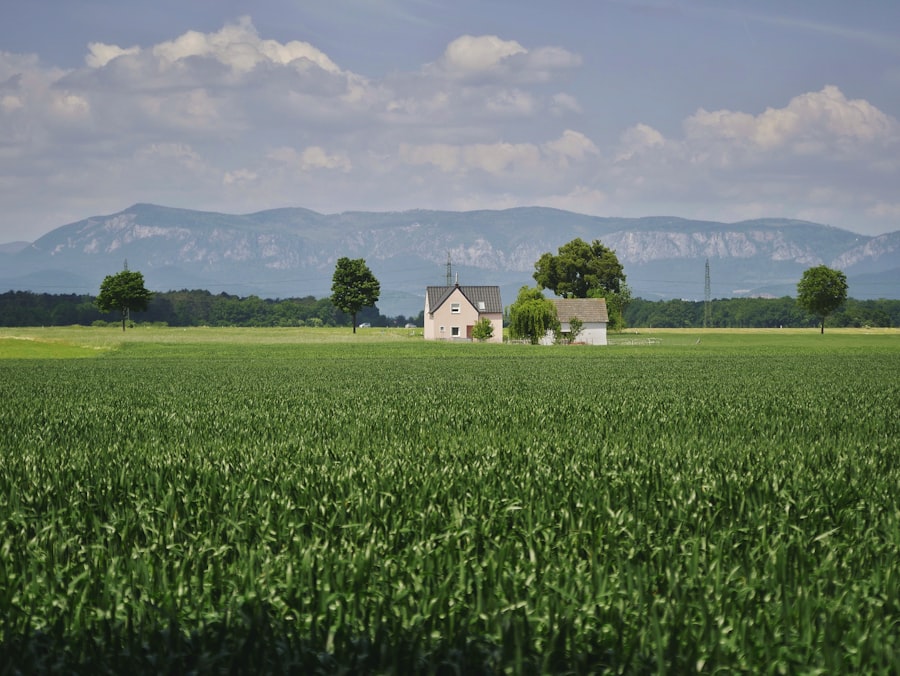
Implementing agrivoltaics successfully requires careful planning and consideration of various factors that influence both agricultural productivity and energy generation. One best practice is conducting thorough site assessments to determine the suitability of land for dual-use systems. Factors such as soil quality, crop selection, sunlight exposure, and local climate conditions should be evaluated to optimize both agricultural yields and solar energy output.
Engaging with agronomists and renewable energy experts during this phase can provide valuable insights into site-specific considerations. Another critical aspect is selecting appropriate solar technology that aligns with agricultural practices. For instance, bifacial solar panels—designed to capture sunlight from both sides—can be particularly effective in agrivoltaic systems as they maximize energy generation while minimizing land footprint.
Additionally, incorporating adjustable mounting systems allows farmers to modify panel angles based on seasonal changes or crop growth stages, ensuring optimal light exposure for both crops and solar panels throughout the year.
The Future of Agrivoltaics
The future of agrivoltaics appears promising as technological advancements continue to evolve alongside growing awareness of sustainability issues. Innovations in solar technology are making it increasingly feasible to integrate renewable energy systems into agricultural landscapes without compromising crop production. For example, developments in lightweight materials for solar panels enable easier installation on existing structures such as barns or greenhouses, further expanding opportunities for agrivoltaic applications.
Moreover, as global demand for clean energy rises alongside concerns about food security, agrivoltaics is likely to gain traction as a viable solution that addresses both challenges simultaneously. Policymakers are beginning to recognize the potential of agrivoltaics as part of broader strategies aimed at achieving net-zero emissions while ensuring sustainable food systems. As research continues to demonstrate the benefits of this dual-use approach, it is expected that more farmers will adopt agrivoltaic practices, leading to increased collaboration between the agriculture and renewable energy sectors.
How Farmers Can Get Involved in Agrivoltaics
Farmers interested in exploring agrivoltaics have several pathways to get involved in this innovative practice. One effective approach is to seek out educational resources and training programs focused on agrivoltaic systems. Many universities and agricultural extension services offer workshops or online courses that cover topics such as site assessment, crop selection under solar panels, and financial modeling for agrivoltaic projects.
By gaining knowledge about best practices and potential challenges, farmers can make informed decisions about integrating solar technology into their operations. Additionally, networking with other farmers who have successfully implemented agrivoltaic systems can provide valuable insights and inspiration. Joining local or regional agricultural organizations focused on sustainability can facilitate connections with peers who share similar interests in renewable energy solutions.
Collaborating with experts in renewable energy development can also help farmers navigate regulatory requirements and access funding opportunities tailored for agrivoltaic projects. In conclusion, agrivoltaics represents a transformative approach that harmonizes agricultural production with renewable energy generation. By leveraging innovative technologies and sustainable practices, farmers can enhance their resilience while contributing to broader environmental goals.
Agrivoltaics, the innovative practice of combining agriculture and solar power, presents a promising solution for sustainable land use. For those interested in exploring how technology can enhance our daily lives, you might find the article on the best smartwatch apps of 2023 particularly relevant. Just as agrivoltaics seeks to optimize land for both farming and energy production, the right smartwatch apps can help users maximize their productivity and health, showcasing the intersection of technology and everyday life.
FAQs
What is agrivoltaics?
Agrivoltaics is the practice of simultaneously using land for both agriculture and solar power generation. It involves installing solar panels above crops or grazing areas, allowing for the production of food and renewable energy on the same plot of land.
How do agrivoltaic systems work?
Agrivoltaic systems work by mounting solar panels at a height and spacing that allows sunlight to reach the crops below while generating electricity. The panels can provide partial shade, which can benefit certain crops by reducing heat stress and water evaporation.
What are the benefits of agrivoltaics?
Benefits of agrivoltaics include increased land-use efficiency, dual income streams for farmers, reduced water usage due to shading, improved crop yields in some cases, and the generation of clean, renewable energy that helps reduce carbon emissions.
Can all types of crops be grown under solar panels?
Not all crops are equally suited for agrivoltaic systems. Shade-tolerant and partial-shade crops, such as leafy greens, herbs, and some root vegetables, tend to perform better under solar panels. Crop selection depends on local climate, panel configuration, and farming practices.
Does agrivoltaics affect solar panel efficiency?
Agrivoltaic installations can slightly reduce solar panel efficiency due to shading from crops or dust accumulation. However, careful design and maintenance can minimize these effects, and the overall benefits of combined land use often outweigh minor efficiency losses.
Is agrivoltaics economically viable for farmers?
Agrivoltaics can be economically viable by providing farmers with additional income from solar energy production while maintaining or improving crop yields. Initial installation costs can be higher, but incentives, subsidies, and long-term energy savings contribute to financial feasibility.
What are the environmental impacts of agrivoltaics?
Agrivoltaics can have positive environmental impacts by promoting renewable energy, reducing land competition between farming and solar farms, conserving water through shading, and enhancing biodiversity when managed properly.
Where is agrivoltaics currently being implemented?
Agrivoltaics is being implemented worldwide, including in countries like the United States, Germany, Japan, and India. It is gaining popularity in regions seeking sustainable solutions to meet energy demands while preserving agricultural productivity.
What challenges does agrivoltaics face?
Challenges include higher upfront costs, the need for specialized design and management, potential impacts on crop growth if not properly planned, regulatory hurdles, and the requirement for farmer education and acceptance.
How can farmers get started with agrivoltaics?
Farmers interested in agrivoltaics should consult with agrivoltaic experts, assess their land and crop types, explore available incentives, and consider pilot projects. Collaboration with solar developers and agricultural extension services can facilitate successful implementation.