

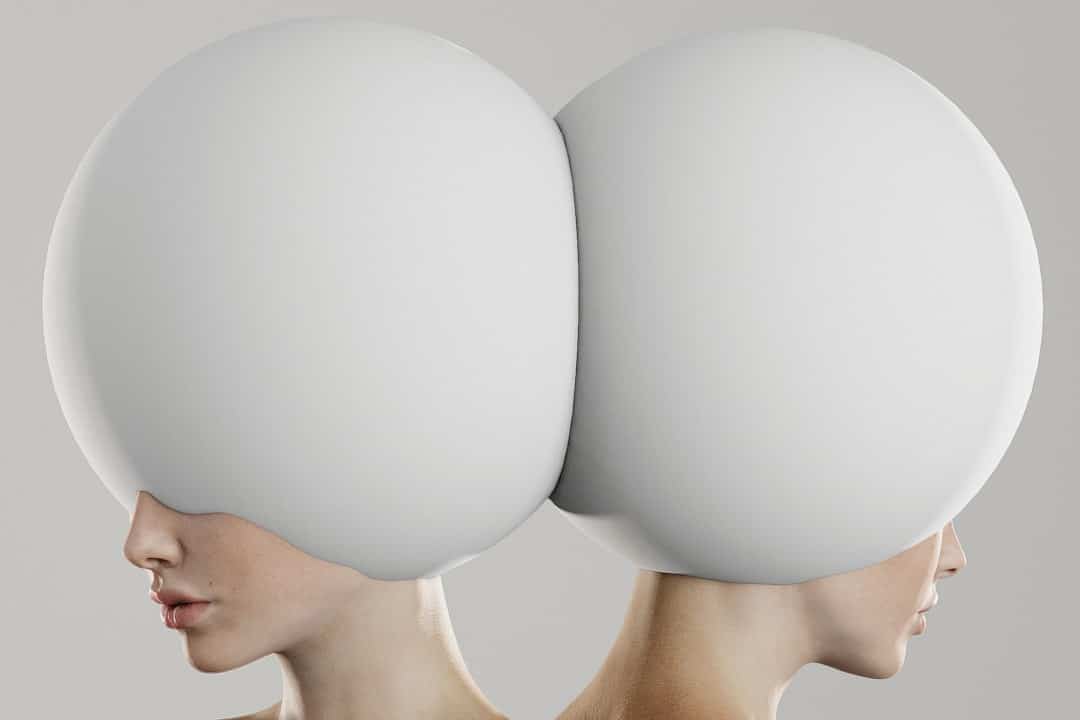
Digital twins represent a revolutionary concept in technology, particularly in engineering, manufacturing, and data analytics. A digital twin is a virtual representation of a physical object or system, created using real-time data and advanced modeling techniques. This digital counterpart mirrors the characteristics, behaviors, and performance of its physical twin, enabling enhanced monitoring, analysis, and optimization.
The concept originated in manufacturing but has expanded to various industries, including healthcare, urban planning, and entertainment. Creating a digital twin involves three key components: data acquisition, modeling, and simulation. Data acquisition gathers information from sensors embedded in the physical object or system, including temperature and pressure readings or operational metrics.
This data is used to create a detailed model that accurately reflects the physical entity’s attributes and behaviors. Simulation tools then allow users to test different scenarios and predict outcomes based on varying conditions. This dynamic interplay between physical and digital realms enables organizations to make informed decisions, optimize processes, and enhance overall performance.
Key Takeaways
- Digital twins are virtual replicas of physical entities, enhanced by VR to create immersive simulations.
- VR technology plays a crucial role in building interactive and realistic digital twins.
- Digital twins in VR have diverse applications across healthcare, manufacturing, and architecture.
- Implementation faces challenges including technical limitations, data privacy, and ethical concerns.
- The integration of digital twins in VR improves collaboration and informed decision-making in various industries.
Exploring the Role of Virtual Reality in Creating Digital Twins
Virtual reality (VR) plays a pivotal role in the development and utilization of digital twins by providing immersive environments where users can interact with these virtual models. By leveraging VR technology, stakeholders can visualize complex data in a more intuitive manner, facilitating better understanding and engagement. For instance, engineers can don VR headsets to explore a digital twin of a manufacturing plant, navigating through the facility as if they were physically present.
This immersive experience allows for a more comprehensive analysis of workflows, equipment placement, and potential bottlenecks. Moreover, VR enhances collaboration among teams working on digital twins. In traditional settings, sharing insights about a digital twin might involve static images or 2D representations that can be difficult to interpret.
However, with VR, multiple users can enter the same virtual space simultaneously, allowing for real-time discussions and collaborative problem-solving. This shared experience fosters a deeper connection to the data and encourages innovative thinking as team members can visualize changes and their impacts on the physical counterpart.
The Potential Applications of Digital Twins in VR

The applications of digital twins in virtual reality are vast and varied, spanning numerous industries and use cases. In healthcare, for example, digital twins can be used to create personalized models of patients based on their medical history and physiological data. Surgeons can practice complex procedures in a VR environment that simulates the patient’s anatomy, allowing them to refine their techniques before performing surgery.
This not only enhances surgical precision but also reduces risks associated with unfamiliarity with the patient’s unique condition. In manufacturing, digital twins enable companies to optimize production processes by simulating different operational scenarios.
By using VR to visualize these changes, managers can make data-driven decisions that lead to improved productivity and reduced downtime. Additionally, training programs can be developed using VR simulations of the digital twin, allowing employees to gain hands-on experience without disrupting actual operations.
Challenges and Limitations of Implementing Digital Twins in VR
Despite the promising potential of digital twins in virtual reality, several challenges and limitations must be addressed for successful implementation. One significant hurdle is the integration of data from various sources into a cohesive digital twin model. Organizations often rely on disparate systems for data collection, which can lead to inconsistencies and inaccuracies in the virtual representation.
Ensuring that all relevant data is captured and accurately reflected in the digital twin requires robust data management strategies and advanced analytics capabilities. Another challenge lies in the technological requirements for creating effective VR experiences. High-quality VR simulations demand significant computational power and advanced graphics capabilities.
Organizations may face difficulties in acquiring the necessary hardware or software infrastructure to support these applications. Additionally, user experience design is crucial; if the VR environment is not intuitive or engaging, users may struggle to derive meaningful insights from their interactions with the digital twin.
The Impact of Digital Twins in VR on Industries such as Healthcare, Manufacturing, and Architecture
| Metric | Description | Example Value | Unit |
|---|---|---|---|
| Latency | Time delay between real-world data capture and digital twin update in VR | 50 | milliseconds |
| Data Refresh Rate | Frequency at which the digital twin data is updated | 60 | Hz |
| Model Accuracy | Degree to which the digital twin replicates the real-world object | 98.5 | percent |
| VR Frame Rate | Frames per second rendered in the VR environment for the digital twin | 90 | fps |
| Data Bandwidth | Amount of data transmitted to maintain the digital twin in VR | 150 | Mbps |
| Simulation Complexity | Number of parameters or variables simulated in the digital twin | 500 | parameters |
| User Interaction Latency | Delay between user input and digital twin response in VR | 30 | milliseconds |
The impact of digital twins in virtual reality is particularly pronounced in industries like healthcare, manufacturing, and architecture. In healthcare, the ability to create personalized digital twins allows for tailored treatment plans that consider individual patient needs. For instance, researchers at Stanford University have developed a digital twin of a patient’s heart that can simulate various treatment options for arrhythmias.
This approach not only enhances patient outcomes but also streamlines clinical workflows by providing healthcare professionals with valuable insights into potential interventions. In manufacturing, companies like Siemens have embraced digital twins to optimize their production lines. By creating virtual replicas of their machinery and processes, they can monitor performance in real-time and predict maintenance needs before failures occur.
This proactive approach minimizes downtime and reduces operational costs. Furthermore, architectural firms are leveraging digital twins to visualize building designs in immersive environments. By using VR to explore architectural models before construction begins, architects can identify design flaws early on and make necessary adjustments.
The Future of Digital Twins in VR: Trends and Innovations

As technology continues to evolve, the future of digital twins in virtual reality is poised for significant advancements. One emerging trend is the integration of artificial intelligence (AI) with digital twins to enhance predictive analytics capabilities. By incorporating machine learning algorithms into the digital twin framework, organizations can analyze vast amounts of data more effectively and generate insights that drive decision-making processes.
This synergy between AI and digital twins will enable more accurate forecasting and optimization across various industries. Another innovation on the horizon is the development of more accessible VR technologies that lower barriers to entry for organizations looking to implement digital twins. As hardware becomes more affordable and software solutions become more user-friendly, smaller companies will be able to leverage these technologies for their own benefit.
Additionally, advancements in cloud computing will facilitate real-time collaboration on digital twins across geographically dispersed teams, further enhancing their utility.
Ethical and Privacy Considerations in the Use of Digital Twins in VR
The implementation of digital twins in virtual reality raises important ethical and privacy considerations that must be addressed proactively. One primary concern revolves around data privacy; as digital twins rely heavily on real-time data collection from physical entities, there is a risk of sensitive information being exposed or misused.
Moreover, ethical implications arise when considering how digital twins are used for decision-making processes. For instance, if an organization relies solely on insights derived from a digital twin without considering human judgment or contextual factors, it may lead to unintended consequences or biases in decision-making. It is essential for organizations to strike a balance between leveraging technology for efficiency while maintaining ethical standards that prioritize human welfare.
How Digital Twins in VR Can Enhance Collaboration and Decision-Making Processes
Digital twins in virtual reality have the potential to significantly enhance collaboration and decision-making processes within organizations. By providing an immersive platform where stakeholders can interact with complex data visualizations, teams are better equipped to engage in meaningful discussions about strategies and solutions. For example, during product development meetings, engineers can use VR to showcase a digital twin of a prototype, allowing team members from different departments—such as marketing or finance—to provide input based on their unique perspectives.
Furthermore, the ability to simulate various scenarios within a shared virtual environment fosters a culture of experimentation and innovation. Teams can test hypotheses by manipulating variables within the digital twin without any real-world repercussions. This iterative approach encourages creative problem-solving as team members explore different possibilities together.
Ultimately, by enhancing collaboration through immersive experiences, organizations can make more informed decisions that drive success across projects and initiatives.
In exploring the innovative concept of ‘Digital Twins’ in virtual reality, it’s fascinating to consider how these technologies are being integrated into various fields. For instance, the article on how smartwatches are enhancing connectivity delves into the ways wearable technology is bridging the gap between the physical and digital worlds, much like digital twins do in simulating real-world objects and systems. This intersection of technology highlights the growing importance of interconnected devices in our daily lives.
FAQs
What is a digital twin in the context of virtual reality (VR)?
A digital twin in VR is a virtual replica of a physical object, system, or environment that is created and maintained in a digital space. It allows users to interact with and analyze the digital counterpart in real-time, often for purposes such as simulation, monitoring, or design.
How are digital twins used in virtual reality?
In VR, digital twins are used to simulate real-world scenarios, test designs, train personnel, and monitor systems remotely. They provide immersive experiences that help users understand complex systems by visualizing and interacting with their digital counterparts.
What industries benefit from digital twins in VR?
Industries such as manufacturing, healthcare, urban planning, automotive, aerospace, and energy utilize digital twins in VR to improve design processes, enhance training, optimize operations, and predict maintenance needs.
What technologies enable the creation of digital twins in VR?
Technologies involved include 3D modeling, IoT sensors for real-time data collection, cloud computing for data processing, AI for predictive analytics, and VR hardware and software for immersive visualization.
What are the advantages of using digital twins in VR?
Advantages include improved decision-making through real-time data visualization, reduced costs by simulating scenarios before physical implementation, enhanced training experiences, and the ability to predict and prevent system failures.
Are digital twins in VR only used for physical objects?
While primarily used to replicate physical objects or systems, digital twins can also represent processes, environments, or even human behaviors to analyze and optimize various aspects within a virtual setting.
How do digital twins in VR differ from traditional simulations?
Digital twins are dynamic and continuously updated with real-time data from their physical counterparts, whereas traditional simulations are often static or based on predefined parameters without real-time integration.
What challenges exist in implementing digital twins in VR?
Challenges include the complexity of accurately modeling systems, ensuring real-time data synchronization, high computational requirements, data security concerns, and the need for specialized expertise.
Can digital twins in VR be used for remote collaboration?
Yes, digital twins in VR enable multiple users to interact with the same virtual model simultaneously from different locations, facilitating remote collaboration and decision-making.
What is the future outlook for digital twins in VR?
The future of digital twins in VR includes greater integration with AI and machine learning, enhanced realism through advanced graphics, broader adoption across industries, and increased use in smart cities and IoT ecosystems.